Thursday, 2 Apr 2026
  • My Feed
  • My Saves
  • History
  • Blog
Living Well Study
  • Blog
  • Ageing Well
  • Brain Health
  • Healthy Diets
  • Physical Wellness
  • Wellness
  • 🔥
  • Wellness
  • older adults
  • Living Well
  • Brain Health
  • public health
  • dementia
  • Ageing Well
  • physical exercise
  • alzheimer disease
  • mental health
Font ResizerAa
Living Well StudyLiving Well Study
  • My Saves
  • My Feed
  • History
Search
  • Pages
    • Home
    • Search Page
  • Personalized
    • Blog
    • My Feed
    • My Saves
    • History
  • Categories
    • Ageing Well
    • Brain Health
    • Healthy Diets
    • Mental Wellness
    • Physical Wellness
    • Wellness
Have an existing account? Sign In
Follow US
© 2022 Foxiz News Network. Ruby Design Company. All Rights Reserved.
Living Well Study > Blog > Health and Medicine > The biology of ageing and disease: A newly identified two-stage process
Health and Medicine

The biology of ageing and disease: A newly identified two-stage process

support
Share
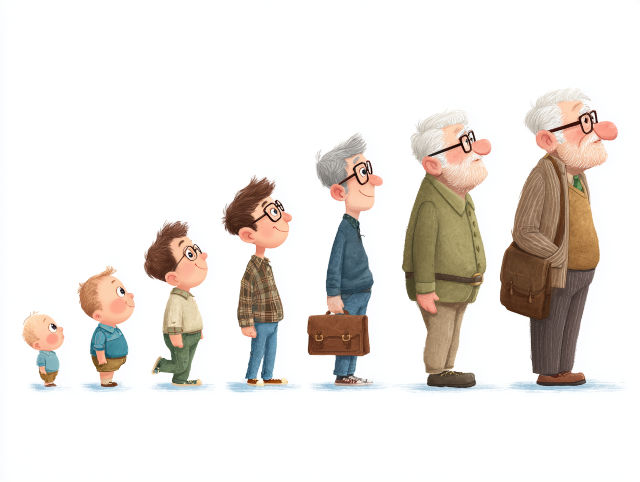
ageing timeline
SHARE

David Gems and Alexander Carver of University College London, working alongside Yuan Zhao from Queen Mary University of London, introduce a fresh conceptual model for understanding how ageing contributes to the onset of chronic disease. Rather than attributing age-related illness to a single biological cause, the authors draw together insights from evolutionary theory and modern biology to argue that ageing reflects the interaction of damage incurred earlier in life and genetic processes that become detrimental in later years. Their approach offers a coherent explanation for why conditions such as cancer, arthritis, and infectious diseases disproportionately affect older people, while also pointing towards new avenues for prevention.

Ageing is widely recognised as the strongest risk factor for most chronic diseases, yet the biological basis of this relationship remains contested. To address this gap, the authors propose a two-stage model that links events across the life course. In the first stage, individuals accumulate disruptions early in life, including infections, physical injuries, and genetic mutations. Although the body is often able to repair or contain these disturbances, they are rarely eliminated completely. As a result, a hidden burden of unresolved damage persists beneath the surface of apparent health.

The second stage emerges later in life, when ordinary genetic activity begins to have harmful rather than beneficial effects. Processes that support growth, reproduction, or survival in youth may gradually undermine tissue maintenance and immune function as the body ages. According to the model, these late-life genetic effects weaken the mechanisms that previously kept early damage under control. Once this balance is lost, earlier disruptions are able to progress into overt disease, transforming long-standing vulnerabilities into clinical illness.

A key strength of the review is its emphasis on ageing as a multifactorial process shaped by interacting causes rather than a single underlying mechanism. The authors illustrate how early-life damage and late-life genetic activity act together to produce age-related disease. For instance, viruses acquired earlier in life may remain dormant for decades, only to re-emerge as conditions such as shingles when immune function declines. Likewise, joint injuries sustained in youth can set the stage for osteoarthritis later on, as ageing tissues lose their ability to compensate for past damage. Genetic mutations may also lie dormant for many years before contributing to cancer or fibrotic disease in older age.

The proposed framework is firmly grounded in evolutionary biology, particularly the idea that natural selection becomes less effective at shaping traits expressed later in life. Because survival and reproduction typically occur earlier, there is weaker evolutionary pressure to prevent harmful effects that arise in old age. The authors reinforce this perspective with evidence from studies of the roundworm Caenorhabditis elegans, where early mechanical damage can lead to lethal infections in later life, suggesting that similar principles may apply across species, including humans.

Overall, the review offers a unifying framework for understanding how diverse biological processes converge to drive age-related disease. By distinguishing between early-life damage and late-life genetic activity, the two-stage model clarifies how health trajectories are shaped over time. Importantly, it also highlights opportunities for promoting healthier ageing, suggesting that preventing or limiting early damage, as well as targeting harmful late-life processes, could reduce the burden of chronic disease and extend the period of life spent in good health.

More information: David Gems et al, Aging as a multifactorial disorder with two stages, Aging-US. DOI: 10.18632/aging.206339

Journal information: Aging-US Provided by Impact Journals LLC

TAGGED:gerontologyhuman health
Share This Article
Email Copy Link Print
Previous Article Older adults are more heavily exposed to online medical misinformation
Next Article Common eye bacteria associated with cognitive decline
Leave a Comment

Leave a Reply Cancel reply

Your email address will not be published. Required fields are marked *

Recent Posts

  • Experts fine-tune genetic maps to trace DNA influences on human traits and disease susceptibility
  • Fall Prevention Clinics: A Smart Investment in Older Adult Health
  • USC research shows early Alzheimer’s brain markers vary across diverse populations
  • Researchers find gut health supplement may help relieve arthritis pain
  • Outages Drive Rise in Emergency Hospital Visits Among Elderly Populations

Tags

adolescents adverse effects ageing populations aging populations air pollution alzheimer disease amyloids anxiety artificial intelligence atopic dermatitis behavioral psychology biomarkers blood pressure body mass index brain cancer cancer research cardiology cardiovascular disease cardiovascular disorders caregivers children climate change effects clinical research coffee cognition cognitive development cognitive disorders cognitive function cognitive neuroscience cohort studies COVID-19 dementia depression diabetes diets discovery research disease control disease intervention disease prevention diseases and disorders environmental health epidemiology foods food science gender studies geriatrics gerontology gut microbiota health and medicine health care health care costs health care delivery heart disease heart failure home care human brain human health hypertension inflammation insomnia life expectancy life sciences longitudinal studies memory disorders menopause mental health metabolic disorders metabolism mortality rates neurodegenerative diseases neurological disorders neurology neuroscience nursing homes nutrients nutrition obesity older adults parkinsons disease physical exercise population studies preventive medicine psychiatric disorders psychological science psychological stress public health research impact risk assessment risk factors risk reduction skin sleep sleep apnea sleep disorders social interaction social research socioeconomics type 2 diabetes weight loss
April 2026
S M T W T F S
 1234
567891011
12131415161718
19202122232425
2627282930  
« Mar    

This website is for information purpose only and is in no way intended to replace the advice, professional medical care, diagnosis or treatment of a doctor, therapist, dietician or nutritionist.

About | Contact | Cookie Policy | Digital Millennium Copyright Act Notice | Disclaimer | Privacy Policy | Terms of Service

You Might Also Like

Wellness

Ten Percent of Elderly South Asian Immigrants in Canada Suffer from Hypothyroidism

By support
Health and Medicine

Adaptive immunity in Alzheimer’s disease spotlighted by Chinese Medical Journal Review

By support
Health and Medicine

The Hidden Cost of Age Anxiety: Faster Ageing in Women

By support
Wellness

Psychological Wellness and Exercise: Creating a Positive Feedback Loop

By support
Living Well Study
Categories
  • Ageing Well
  • Brain Health
  • Healthy Diets
  • Mental Wellness
  • Physical Wellness
  • Wellness
LivingWellStudy
  • About
  • Contact
  • Cookie Policy
  • Digital Millennium Copyright Act Notice
  • Disclaimer
  • Privacy Policy
  • Terms of Service
Welcome Back!

Sign in to your account

Username or Email Address
Password

Lost your password?