
Wednesday, 21 Jan 2026
  • My Feed
  • My Saves
  • History
  • Blog
Living Well Study
  • Blog
  • Ageing Well
  • Brain Health
  • Healthy Diets
  • Physical Wellness
  • Wellness
  • 🔥
  • Wellness
  • older adults
  • Living Well
  • Brain Health
  • public health
  • dementia
  • Ageing Well
  • mental health
  • physical exercise
  • alzheimer disease
Font ResizerAa
Living Well StudyLiving Well Study
  • My Saves
  • My Feed
  • History
Search
  • Pages
    • Home
    • Search Page
  • Personalized
    • Blog
    • My Feed
    • My Saves
    • History
  • Categories
    • Ageing Well
    • Brain Health
    • Healthy Diets
    • Mental Wellness
    • Physical Wellness
    • Wellness
Have an existing account? Sign In
Follow US
© 2022 Foxiz News Network. Ruby Design Company. All Rights Reserved.
Living Well Study > Blog > Health and Medicine > Workout-triggered protein restores strength to ageing muscles and bones
Health and Medicine

Workout-triggered protein restores strength to ageing muscles and bones

support
Share
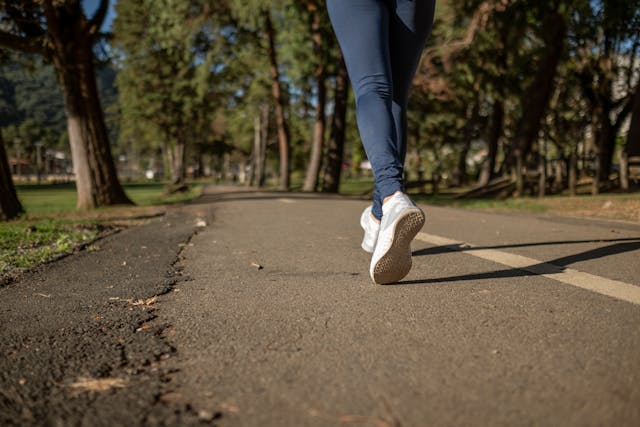
Photo by Daniel Reche: https://www.pexels.com/photo/person-in-blue-denim-jeans-and-white-sneakers-walking-on-road-3601098/
SHARE

The adage “Exercise is good for your health” is widely accepted, yet few people can explain with precision the biological mechanisms that underpin this truth. A groundbreaking discovery by a joint research team sheds new light on this topic, identifying a key protein that mediates the health benefits of physical activity. The study was led by Dr Yong Ryoul Yang of the Aging Convergence Research Group at the Korea Research Institute of Bioscience and Biotechnology (KRIBB), alongside Professor Nak-Sung Kim of Chonnam National University. Together, they identified cardiotrophin-like cytokine factor 1 (CLCF1), a protein secreted by muscles during exercise, as a crucial player in enhancing both muscular and skeletal health.

The research demonstrated that CLCF1 contributes to the prevention of musculoskeletal ageing by strengthening muscles and bones. In human trials, the team observed that CLCF1 levels rose sharply after just one exercise session in young participants. However, in older adults, the same increase in CLCF1 was only seen after more than 12 weeks of sustained exercise. This finding indicates a significant age-related difference in how the body produces and responds to this protein, potentially explaining why older individuals often require more extended periods of activity to experience the same benefits as their younger counterparts.

To better understand the physiological role of CLCF1, the team conducted a series of experiments on elderly mice. Administering CLCF1 to these mice resulted in marked improvements in muscle strength and bone density. Conversely, when CLCF1 activity was blocked, the beneficial effects of exercise were entirely nullified. These results confirmed that CLCF1 is not merely a byproduct of exercise but a necessary component of its positive impact. In essence, the presence and activity of this protein determine whether the body reaps the regenerative rewards of physical training.

Further cellular analysis revealed the mechanisms behind CLCF1’s efficacy. The protein enhances mitochondrial function in muscle cells, thereby improving energy production and cellular endurance. It also inhibits the formation of osteoclasts—cells that break down bone tissue—while promoting the activity of osteoblasts, which are responsible for bone formation and repair. This dual action supports not only muscle vitality but also bone density, making CLCF1 a key agent in the fight against age-related conditions such as sarcopenia and osteoporosis.

Dr Yang emphasised the significance of the discovery, noting that this is the first scientific evidence linking diminished protein secretion with the reduced effectiveness of exercise in older individuals. “This research provides a biological basis for why exercise becomes less effective with age,” he explained. “It also lays the groundwork for developing new therapeutic strategies for healthy ageing.” The study’s insights could lead to treatments that mimic or enhance the action of CLCF1, offering hope to those unable to maintain regular exercise due to ageing or illness, and opening a new frontier in the science of longevity and musculoskeletal health.

More information: Yong Ryoul Yang et al, Exercise-induced CLCF1 attenuates age-related muscle and bone decline in mice, Nature Communications. DOI: 10.1038/s41467-025-59959-w

Journal information: Nature Communications Provided by National Research Council of Science & Technology


TAGGED:exercise
Share This Article
Email Copy Link Print
Previous Article Regular Physical Activity Could Help Preserve Cognitive Function
Next Article Cumulative Exposure to Wildfire Smoke May Gradually Elevate Heart Failure Risk
Leave a Comment

Leave a Reply Cancel reply

Your email address will not be published. Required fields are marked *

Recent Posts

  • Concerns grow over faster ageing and dementia risk in survivors of childhood and young adult cancers
  • Researchers uncover links between infection and ageing through cellular senescence mechanisms
  • Study finds possible connection between brain injuries and suicide risk
  • Nearly 1.6 Million Adults in the UK Turned to Weight Loss Drugs Last Year
  • Targeting senescent brain cells may offer new ways to ease epilepsy symptoms

Tags

adolescents adverse effects ageing populations aging populations air pollution alzheimer disease amyloids anxiety artificial intelligence atopic dermatitis behavioral psychology biomarkers blood pressure body mass index brain cancer cancer research cardiology cardiovascular disease cardiovascular disorders caregivers children climate change effects clinical research coffee cognitive development cognitive disorders cognitive function cognitive neuroscience cohort studies COVID-19 dementia depression diabetes diets discovery research disease control disease intervention disease prevention diseases and disorders environmental health epidemiology foods food science gender studies geriatrics gerontology gut microbiota health and medicine health care health care costs health care delivery heart disease heart failure home care human brain human health hypertension inflammation insomnia life expectancy life sciences longitudinal studies memory disorders menopause mental health metabolic disorders metabolism mortality rates neurodegenerative diseases neurological disorders neurology neuroscience nursing homes nutrients nutrition obesity older adults parkinsons disease physical exercise population studies preventive medicine psychiatric disorders psychological science psychological stress public health research impact risk assessment risk factors risk reduction skin sleep sleep apnea sleep disorders social interaction social research socioeconomics stress management type 2 diabetes weight loss
January 2026
S M T W T F S
 123
45678910
11121314151617
18192021222324
25262728293031
« Dec    

This website is for information purpose only and is in no way intended to replace the advice, professional medical care, diagnosis or treatment of a doctor, therapist, dietician or nutritionist.

About | Contact | Cookie Policy | Digital Millennium Copyright Act Notice | Disclaimer | Privacy Policy | Terms of Service

You Might Also Like

Health and Medicine

Modest Increases in Walking Pace Linked to Significant Improvements in Endurance and Aerobic Fitness Among Older Adults

By support
Health and Medicine

Adaptive immunity in Alzheimer’s disease spotlighted by Chinese Medical Journal Review

By support
Health and Medicine

Preventing Falls Before They Happen: The Promise of Early Intervention for Seniors

By support
Health and Medicine

An AI-Driven Review of a Century of Ageing Research Reveals Trends and Gaps

By support
Living Well Study
Categories
  • Ageing Well
  • Brain Health
  • Healthy Diets
  • Mental Wellness
  • Physical Wellness
  • Wellness
LivingWellStudy
  • About
  • Contact
  • Cookie Policy
  • Digital Millennium Copyright Act Notice
  • Disclaimer
  • Privacy Policy
  • Terms of Service
Welcome Back!

Sign in to your account

Username or Email Address
Password

Lost your password?