Monday, 18 May 2026
  • My Feed
  • My Saves
  • History
  • Blog
Living Well Study
  • Blog
  • Ageing Well
  • Brain Health
  • Healthy Diets
  • Physical Wellness
  • Wellness
  • 🔥
  • Wellness
  • older adults
  • Living Well
  • Brain Health
  • dementia
  • public health
  • Ageing Well
  • alzheimer disease
  • physical exercise
  • mental health
Font ResizerAa
Living Well StudyLiving Well Study
  • My Saves
  • My Feed
  • History
Search
  • Pages
    • Home
    • Search Page
  • Personalized
    • Blog
    • My Feed
    • My Saves
    • History
  • Categories
    • Ageing Well
    • Brain Health
    • Healthy Diets
    • Mental Wellness
    • Physical Wellness
    • Wellness
Have an existing account? Sign In
Follow US
© 2022 Foxiz News Network. Ruby Design Company. All Rights Reserved.
Living Well Study > Blog > Healthy Diets > Salt substitutes aid in sustaining healthy blood pressure levels in older adults
Healthy Diets

Salt substitutes aid in sustaining healthy blood pressure levels in older adults

support
Share
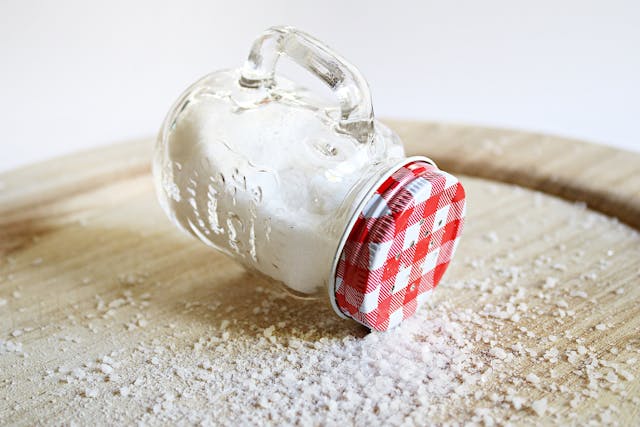
Mason Jar Filled with Salt. Photo by Lorena Martínez: https://www.pexels.com/photo/mason-jar-filled-with-salt-2320244
SHARE

Switching from regular salt to a salt substitute can lower the frequency of hypertension or elevated blood pressure in older adults without heightening the risk of episodes of low blood pressure, as revealed by a recent investigation published in the Journal of the American College of Cardiology. The study found that individuals using a salt substitute experienced a 40% reduction in the incidence and probability of developing hypertension compared to those who continued using regular salt.

The World Health Organization identifies hypertension as a primary risk factor for cardiovascular diseases and death globally, affecting more than 1.4 billion adults and causing approximately 10.8 million fatalities annually. One of the most productive methods to mitigate the risk of hypertension is lowering sodium consumption. The research examines salt substitutes as an improved approach for controlling and preserving optimal blood pressure levels over merely decreasing salt intake.

Yangfeng Wu, MD, PhD, the study’s lead researcher and the Executive Director of the Peking University Clinical Research Institute in Beijing, China, emphasized the importance of understanding the health implications of our dietary choices, particularly the excessive consumption of salt through processed foods that are both affordable and readily available. Wu highlighted the need for increasing awareness about low-sodium dietary options for better heart health.

This study assessed the effects of sodium reduction strategies on blood pressure among elderly individuals in Chinese care facilities. Despite previous research confirming that salt intake reduction can prevent or postpone the onset of hypertension, maintaining a long-term low-salt diet poses significant challenges.

The DECIDE-Salt study involved 611 participants aged 55 and over from 48 care facilities, divided into two groups: one with 313 participants replacing their usual salt with a salt substitute and another with 298 participants continuing with their regular salt consumption. All participants had a baseline blood pressure of 140/90mmHg and were not on medication for hypertension. The primary focus was on participants who developed hypertension, began hypertension medication, or encountered significant cardiovascular events during the study.

After two years, the rate of hypertension was 11.7 per 100 person-years among those using the salt substitute, compared to 24.3 per 100 person-years among those using regular salt, indicating a 40% lesser likelihood of developing hypertension with the salt substitute. Additionally, the salt substitute did not lead to hypotension, a concern for older adults.

Wu expressed enthusiasm about the findings, suggesting they significantly advance blood pressure management. This approach protects individuals’ health and reduces cardiovascular risk while enjoying flavorful meals. Given its effectiveness in lowering blood pressure demonstrated in previous studies, the salt substitute benefits both hypertensive and normotensive individuals, making it a desirable strategy for preventing and controlling hypertension and cardiovascular disease.

However, the study has limitations, including its nature as a post-hoc analysis, the need for pre-specified study outcomes, and many participants were lost to follow-up. Despite these challenges, analyses suggested the missing data were random, and multiple sensitivity analyses supported the robustness of the findings.

In an editorial comment accompanying the study, Rik Olde Engberink, MD, PhD, is a researcher, nephrologist, and clinical pharmacologist at Amsterdam University Medical Center’s Department of Internal Medicine. He praised the study for offering an appealing alternative to the global challenge of reducing salt intake. However, he noted that further questions and efforts are necessary. He highlighted the study’s approach of providing salt substitutes to kitchen staff and restricting external food sources. He suggested that adopting salt substitutes early in the food production chain could significantly impact blood pressure outcomes by improving the sodium-potassium ratio in processed foods.

More information: Yangfeng Wu et al, Effect of a Salt Substitute on Incidence of Hypertension and Hypotension Among Normotensive Adults, Journal of the American College of Cardiology. DOI: 10.1016/j.jacc.2023.12.013

Journal information: Journal of the American College of Cardiology Provided by American College of Cardiology

TAGGED:hypertensionhypotensionolder adultssalts
Share This Article
Email Copy Link Print
Previous Article Does having shingles elevate the risk of developing dementia in an individual?
Next Article The ethical burden, limited resources, and ineffective management lead to the departure of home care workers from their positions
Leave a Comment

Leave a Reply Cancel reply

Your email address will not be published. Required fields are marked *

Recent Posts

  • Spending Time Outdoors Linked to Higher Life Satisfaction
  • Exercise Could Play a Key Role in Helping People Stop Smoking
  • The Tiny Cellular Framework Behind Brain Development
  • ‘Forever Chemicals’ Found in Nearly Entire US Study Population, Researchers Report
  • Healthy Hearts May Still Face the Risk of Alzheimer’s Disease

Tags

adolescents adverse effects ageing populations aging populations air pollution alzheimer disease amyloids anxiety artificial intelligence atopic dermatitis behavioral psychology biomarkers blood pressure body mass index brain cancer cancer research cardiology cardiovascular disease cardiovascular disorders caregivers children climate change effects clinical research coffee cognition cognitive development cognitive disorders cognitive function cognitive neuroscience cohort studies COVID-19 dementia depression diabetes diets discovery research disease control disease intervention disease prevention diseases and disorders environmental health epidemiology foods food science gender studies geriatrics gerontology gut microbiota health and medicine health care health care costs health care delivery heart disease heart failure home care human brain human health hypertension inflammation insomnia life expectancy life sciences longitudinal studies memory disorders menopause mental health metabolic disorders metabolism mortality rates neurodegenerative diseases neurological disorders neurology neuroscience nursing homes nutrients nutrition obesity older adults parkinsons disease physical exercise population studies preventive medicine psychiatric disorders psychological science psychological stress public health research impact risk assessment risk factors risk reduction skin sleep sleep apnea sleep disorders social interaction social research socioeconomics type 2 diabetes weight loss
May 2026
S M T W T F S
 12
3456789
10111213141516
17181920212223
24252627282930
31  
« Apr    

This website is for information purpose only and is in no way intended to replace the advice, professional medical care, diagnosis or treatment of a doctor, therapist, dietician or nutritionist.

About | Contact | Cookie Policy | Digital Millennium Copyright Act Notice | Disclaimer | Privacy Policy | Terms of Service

You Might Also Like

Wellness

Airplane Noise: A Potential Contributor to Chronic Disease Risk

By support
Wellness

A study finds that perceptions of when ‘old age’ begins have shifted to a later age

By support
Healthy Diets

Can following a Mediterranean diet safeguard against memory decline and dementia?

By support
Mental Wellness

Research indicates that middle-aged individuals in America experience greater loneliness compared to their European counterparts, proposing that loneliness during midlife is widespread

By support
Living Well Study
Categories
  • Ageing Well
  • Brain Health
  • Healthy Diets
  • Mental Wellness
  • Physical Wellness
  • Wellness
LivingWellStudy
  • About
  • Contact
  • Cookie Policy
  • Digital Millennium Copyright Act Notice
  • Disclaimer
  • Privacy Policy
  • Terms of Service
Welcome Back!

Sign in to your account

Username or Email Address
Password

Lost your password?