Wednesday, 21 Jan 2026
  • My Feed
  • My Saves
  • History
  • Blog
Living Well Study
  • Blog
  • Ageing Well
  • Brain Health
  • Healthy Diets
  • Physical Wellness
  • Wellness
  • 🔥
  • Wellness
  • older adults
  • Living Well
  • Brain Health
  • public health
  • dementia
  • Ageing Well
  • mental health
  • physical exercise
  • alzheimer disease
Font ResizerAa
Living Well StudyLiving Well Study
  • My Saves
  • My Feed
  • History
Search
  • Pages
    • Home
    • Search Page
  • Personalized
    • Blog
    • My Feed
    • My Saves
    • History
  • Categories
    • Ageing Well
    • Brain Health
    • Healthy Diets
    • Mental Wellness
    • Physical Wellness
    • Wellness
Have an existing account? Sign In
Follow US
© 2022 Foxiz News Network. Ruby Design Company. All Rights Reserved.
Living Well Study > Blog > Wellness > Recent Research Reveals Astaxanthin’s Capability to Combat LPS-Triggered Inflammation
Wellness

Recent Research Reveals Astaxanthin’s Capability to Combat LPS-Triggered Inflammation

support
Share
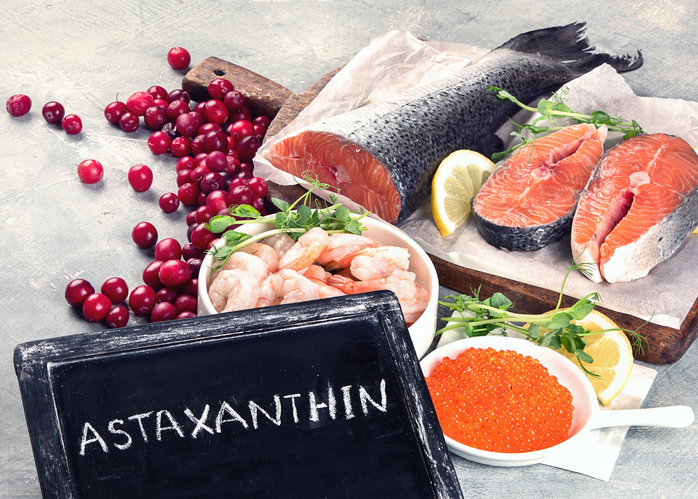
Foods rich in astaxanthin, carotenoid and antioxidants. Image by bit245 via iStock.
SHARE

A research group led by Professor Huang Qing from the Hefei Institutes of Physical Science of the Chinese Academy of Sciences has discovered a novel mechanism through which astaxanthin (AST) can influence IL-6, thereby mitigating the negative inflammatory responses in macrophages triggered by lipopolysaccharides (LPS).

The findings from this study have been documented in the journal Food & Function.

Astaxanthin is recognised as a naturally occurring compound noted for its potent antioxidant properties. Recent investigations suggest that it possesses anti-inflammatory qualities, although the exact pathways through which it operates have not been entirely determined until now. In the current study, the researchers employed macrophages derived from human monocytic leukaemia cells (THP-1) and used lipopolysaccharides as the inflammatory stimulus to explore how astaxanthin achieves its anti-inflammatory effects.

The research revealed that astaxanthin treatment markedly reduces oxidative stress induced by LPS, enhances cellular repair mechanisms, and diminishes damage from inflammatory cytokines. This is achieved primarily by significantly inhibiting the translocation and activation of NF-κB, stimulating p53, and suppressing STAT3. Further experiments and analysis helped the team ascertain that astaxanthin directly interacts with IL-6. This interaction disrupts the cyclical inflammatory responses and could potentially prevent severe inflammatory reactions known as ‘inflammatory storms’.

These findings underscore the potential of astaxanthin’s direct interaction with IL-6. This interaction disrupts the positive feedback loop of inflammatory agents, potentially preventing the severe inflammatory reactions known as ‘inflammatory storms ‘.

Wu Yahui, a key member of the team, highlighted the practical implications of their findings. He stated, “Our study provides a solid foundation for the use of astaxanthin as a dietary supplement with potential anti-inflammatory or immunomodulatory functions.”

More information: Yahui Wu et al, Astaxanthin targets IL-6 and alleviates the LPS-induced adverse inflammatory response of macrophages, Food & Function. DOI: 10.1039/d4fo00610k

Journal information: Food & Function Provided by Hefei Institutes of Physical Science, The Chinese Academy of Sciences

TAGGED:antioxidantlife science
Share This Article
Email Copy Link Print
Previous Article Diet Low in Sugar Associated with Youthful Biological Age
Next Article How Do Our Brains Function During Planning?
Leave a Comment

Leave a Reply Cancel reply

Your email address will not be published. Required fields are marked *

Recent Posts

  • Concerns grow over faster ageing and dementia risk in survivors of childhood and young adult cancers
  • Researchers uncover links between infection and ageing through cellular senescence mechanisms
  • Study finds possible connection between brain injuries and suicide risk
  • Nearly 1.6 Million Adults in the UK Turned to Weight Loss Drugs Last Year
  • Targeting senescent brain cells may offer new ways to ease epilepsy symptoms

Tags

adolescents adverse effects ageing populations aging populations air pollution alzheimer disease amyloids anxiety artificial intelligence atopic dermatitis behavioral psychology biomarkers blood pressure body mass index brain cancer cancer research cardiology cardiovascular disease cardiovascular disorders caregivers children climate change effects clinical research coffee cognitive development cognitive disorders cognitive function cognitive neuroscience cohort studies COVID-19 dementia depression diabetes diets discovery research disease control disease intervention disease prevention diseases and disorders environmental health epidemiology foods food science gender studies geriatrics gerontology gut microbiota health and medicine health care health care costs health care delivery heart disease heart failure home care human brain human health hypertension inflammation insomnia life expectancy life sciences longitudinal studies memory disorders menopause mental health metabolic disorders metabolism mortality rates neurodegenerative diseases neurological disorders neurology neuroscience nursing homes nutrients nutrition obesity older adults parkinsons disease physical exercise population studies preventive medicine psychiatric disorders psychological science psychological stress public health research impact risk assessment risk factors risk reduction skin sleep sleep apnea sleep disorders social interaction social research socioeconomics stress management type 2 diabetes weight loss
January 2026
S M T W T F S
 123
45678910
11121314151617
18192021222324
25262728293031
« Dec    

This website is for information purpose only and is in no way intended to replace the advice, professional medical care, diagnosis or treatment of a doctor, therapist, dietician or nutritionist.

About | Contact | Cookie Policy | Digital Millennium Copyright Act Notice | Disclaimer | Privacy Policy | Terms of Service

You Might Also Like

Wellness

Recent Study Indicates Frequent Mobile Phone Usage May Elevate Cardiovascular Disease Risk in Smokers and Diabetics

By support
Wellness

Research Indicates Elderly Women More Susceptible to Heat Compared to Male Counterparts

By support
Wellness

Chronic pain could be putting adults at greater risk of high blood pressure

By support
Wellness

Research Unveils the Impact of Alcohol Use Disorder on Cognitive Flexibility

By support
Living Well Study
Categories
  • Ageing Well
  • Brain Health
  • Healthy Diets
  • Mental Wellness
  • Physical Wellness
  • Wellness
LivingWellStudy
  • About
  • Contact
  • Cookie Policy
  • Digital Millennium Copyright Act Notice
  • Disclaimer
  • Privacy Policy
  • Terms of Service
Welcome Back!

Sign in to your account

Username or Email Address
Password

Lost your password?