Wednesday, 21 Jan 2026
  • My Feed
  • My Saves
  • History
  • Blog
Living Well Study
  • Blog
  • Ageing Well
  • Brain Health
  • Healthy Diets
  • Physical Wellness
  • Wellness
  • 🔥
  • Wellness
  • older adults
  • Living Well
  • Brain Health
  • public health
  • dementia
  • Ageing Well
  • mental health
  • physical exercise
  • alzheimer disease
Font ResizerAa
Living Well StudyLiving Well Study
  • My Saves
  • My Feed
  • History
Search
  • Pages
    • Home
    • Search Page
  • Personalized
    • Blog
    • My Feed
    • My Saves
    • History
  • Categories
    • Ageing Well
    • Brain Health
    • Healthy Diets
    • Mental Wellness
    • Physical Wellness
    • Wellness
Have an existing account? Sign In
Follow US
© 2022 Foxiz News Network. Ruby Design Company. All Rights Reserved.
Living Well Study > Blog > Ageing Well > Community Exercise Classes Empower Older Adults to Stay Strong and Independent
Ageing Well

Community Exercise Classes Empower Older Adults to Stay Strong and Independent

support
Share
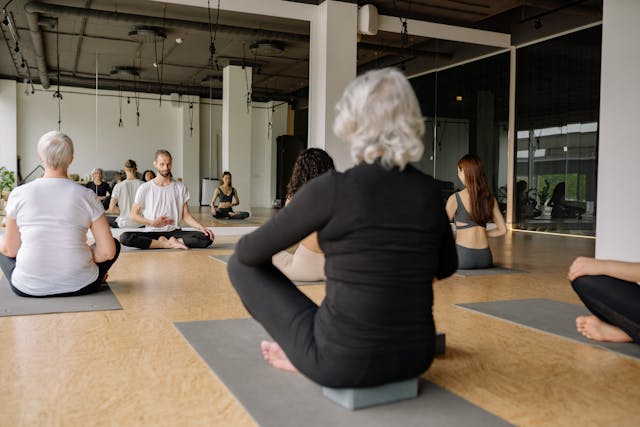
Photo by Yan Krukau: https://www.pexels.com/photo/people-doing-yoga-at-a-studio-8436730/
SHARE

Older adults who regularly engaged in a community-based exercise programme were able to slow—and in some cases reverse—the natural declines in cardiovascular fitness and muscle strength associated with ageing, according to a new study from McMaster University. The findings, published in the journal Exercise, Sport, and Movement, highlight the remarkable potential of structured, age-appropriate physical activity to help seniors maintain their health and independence.

The study revealed particularly promising outcomes for women, whose cardiorespiratory fitness actually improved over time. For men, declines in aerobic capacity were significantly less steep than expected. Both groups also preserved more muscle strength than is usually associated with ageing. These results emphasise the power of consistent, guided exercise in supporting the well-being of older adults at a time when the population over 65 is expanding rapidly.

Researchers followed 124 participants enrolled in the MacSeniors Exercise and Wellness Programme at McMaster’s Physical Activity Centre of Excellence (PACE) over five years. Each individual was encouraged to attend at least two sessions per week, combining a minimum of 30 minutes of moderate-intensity aerobic exercise—ideally totalling 150 minutes weekly—with resistance training for every major muscle group. The programme was designed in line with national guidelines for physical activity among older adults.

During the study, investigators tracked two key measures of long-term health: cardiorespiratory fitness and muscular strength. These are not only markers of functional ability but also predictors of chronic illness, independence, and even mortality risk. “This is a stage of life when many physiological systems are in decline,” explained Angelica McQuarrie, co-author and Programme Manager at PACE. “The fact that participants could sustain their function, reduce the expected age-related changes, and in the case of women reverse them, really underscores the importance of community-based exercise.”

The researchers also credited the supportive social environment as a crucial factor. “A welcoming community keeps older adults engaged, connected, and motivated to return,” said co-author Giulia Coletta, a kinesiology PhD graduate. “When that social connection is combined with evidence-based exercise, participants gain both the confidence and the knowledge to stay active independently. That combination is what leads to lasting health improvements.”

These findings are particularly significant in light of the well-documented decline in physical capacity that begins surprisingly early in adulthood. Aerobic capacity starts to drop after age 30, with the rate of decline accelerating after 45 and worsening through the later decades of life. Muscle strength, which is vital for mobility and fall prevention, also decreases steadily from midlife onward. By the age of 40, respiratory muscle strength typically falls by 8 to 10 per cent per decade, threatening both health and independence if left unaddressed.

For Stuart Phillips, co-author and Director of PACE, the implications are clear. “These kinds of programmes provide sustainable, affordable options where older adults can be guided and monitored in a friendly, non-intimidating environment,” he said. “It’s never too late to get started, and the impact on daily living is profound. Regular, structured activity not only helps preserve physical function but also gives participants confidence, independence, and a stronger quality of life.”

More information: Giulia Coletta et al, Long-Term Enrollment in a Community Exercise Program Attenuates Age-Related Declines in Fitness in Older Adults, Exercise Sport and Movement. DOI: 10.1249/ESM.0000000000000052

Journal information: Exercise Sport and Movement Provided by McMaster University

TAGGED:physical exercise
Share This Article
Email Copy Link Print
Previous Article Metabolic syndrome increases vulnerability to Parkinson’s disease
Next Article AI-Enhanced Approaches to Forecasting Knee Osteoarthritis Outcomes
Leave a Comment

Leave a Reply Cancel reply

Your email address will not be published. Required fields are marked *

Recent Posts

  • Concerns grow over faster ageing and dementia risk in survivors of childhood and young adult cancers
  • Researchers uncover links between infection and ageing through cellular senescence mechanisms
  • Study finds possible connection between brain injuries and suicide risk
  • Nearly 1.6 Million Adults in the UK Turned to Weight Loss Drugs Last Year
  • Targeting senescent brain cells may offer new ways to ease epilepsy symptoms

Tags

adolescents adverse effects ageing populations aging populations air pollution alzheimer disease amyloids anxiety artificial intelligence atopic dermatitis behavioral psychology biomarkers blood pressure body mass index brain cancer cancer research cardiology cardiovascular disease cardiovascular disorders caregivers children climate change effects clinical research coffee cognitive development cognitive disorders cognitive function cognitive neuroscience cohort studies COVID-19 dementia depression diabetes diets discovery research disease control disease intervention disease prevention diseases and disorders environmental health epidemiology foods food science gender studies geriatrics gerontology gut microbiota health and medicine health care health care costs health care delivery heart disease heart failure home care human brain human health hypertension inflammation insomnia life expectancy life sciences longitudinal studies memory disorders menopause mental health metabolic disorders metabolism mortality rates neurodegenerative diseases neurological disorders neurology neuroscience nursing homes nutrients nutrition obesity older adults parkinsons disease physical exercise population studies preventive medicine psychiatric disorders psychological science psychological stress public health research impact risk assessment risk factors risk reduction skin sleep sleep apnea sleep disorders social interaction social research socioeconomics stress management type 2 diabetes weight loss
January 2026
S M T W T F S
 123
45678910
11121314151617
18192021222324
25262728293031
« Dec    

This website is for information purpose only and is in no way intended to replace the advice, professional medical care, diagnosis or treatment of a doctor, therapist, dietician or nutritionist.

About | Contact | Cookie Policy | Digital Millennium Copyright Act Notice | Disclaimer | Privacy Policy | Terms of Service

You Might Also Like

Ageing Well

Fall Prevention in Aged Care: What Works Best

By support
Physical Wellness

Muscle Damage After Exercise: Comparable or Reduced in Older Adults Versus Young Adults

By support
Brain Health

Golf, walking, and Nordic walking could improve cognitive abilities in elderly individuals

By support
Living Well

Extended sitting may undermine health, regardless of youth and activity levels

By support
Living Well Study
Categories
  • Ageing Well
  • Brain Health
  • Healthy Diets
  • Mental Wellness
  • Physical Wellness
  • Wellness
LivingWellStudy
  • About
  • Contact
  • Cookie Policy
  • Digital Millennium Copyright Act Notice
  • Disclaimer
  • Privacy Policy
  • Terms of Service
Welcome Back!

Sign in to your account

Username or Email Address
Password

Lost your password?