Thursday, 2 Jul 2026
  • My Feed
  • My Saves
  • History
  • Blog
Living Well Study
  • Blog
  • Ageing Well
  • Brain Health
  • Healthy Diets
  • Physical Wellness
  • Wellness
  • 🔥
  • Wellness
  • older adults
  • Living Well
  • Brain Health
  • dementia
  • public health
  • Ageing Well
  • alzheimer disease
  • physical exercise
  • mental health
Font ResizerAa
Living Well StudyLiving Well Study
  • My Saves
  • My Feed
  • History
Search
  • Pages
    • Home
    • Search Page
  • Personalized
    • Blog
    • My Feed
    • My Saves
    • History
  • Categories
    • Ageing Well
    • Brain Health
    • Healthy Diets
    • Mental Wellness
    • Physical Wellness
    • Wellness
Have an existing account? Sign In
Follow US
© 2022 Foxiz News Network. Ruby Design Company. All Rights Reserved.
Living Well Study > Blog > Health and Medicine > New Perspective Positions Buildings as Critical to Health Determinants
Health and Medicine

New Perspective Positions Buildings as Critical to Health Determinants

support
Share
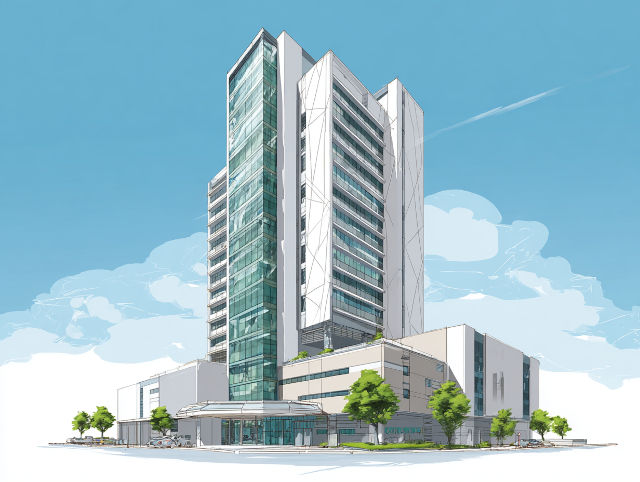
a ten storey nursing home
SHARE

As populations continue to age, growing attention is being directed towards the institutional environments where many older adults live, including nursing homes and long-term care facilities. These settings play a significant role in shaping residents’ health and overall quality of life. Increasing evidence shows that the built environment can influence both the physical and cognitive wellbeing of older individuals in complex ways.
Design elements within these spaces can have meaningful consequences. Factors such as layout, lighting, materials and spatial organisation may affect risks related to falls, infection transmission, preventable hospital admissions and even cognitive disorientation. In this way, architecture does not simply provide shelter, but actively shapes health outcomes for ageing populations.

Despite this growing body of research, its application in real-world building projects remains inconsistent. Much of the existing evidence is not systematically integrated into the planning or renovation of long-term care environments. In response, a multidisciplinary team from Boston University Chobanian & Avedisian School of Medicine has introduced a new framework aimed at bridging this gap.

The framework, known as Bioethics Peer Review for Long-Term Care Design (BPR-LTC), is designed to guide the evaluation of architectural plans for long-term care facilities. Its central goal is to ensure that evidence-based design principles are thoughtfully incorporated into the creation of spaces intended for older adults, aligning physical environments with their specific needs.

BPR-LTC brings together several distinct approaches, including evidence-based design research, clinical ethics consultation methods for addressing complex value-driven decisions, and geriatric care frameworks that prioritise the vulnerabilities and requirements of older individuals. While each of these components has contributed independently to long-term care, they have rarely been coordinated during the early stages of architectural design.

Unlike traditional design methodologies or performance metrics, BPR-LTC functions as an ethics-informed, deliberative process that structures how evidence and values are considered in decision-making. By introducing a more systematic and research-driven approach, the framework aims to improve the design of long-term care environments, ultimately enhancing the health and wellbeing of those who live and work within them.

More information: Diana Anderson et al, Bioethics Peer Review: A Structured Evaluation Framework for Long-Term Care Environments, Journal of the American Medical Directors Association. DOI: 10.1016/j.jamda.2025.106088

Journal information: Journal of the American Medical Directors Association Provided by Boston University School of Medicine

TAGGED:long-term care design
Share This Article
Email Copy Link Print
Previous Article Science Reveals Why Full Doesn’t Mean Finished When It Comes to Food
Next Article Physical Function and Its Importance in Heart Failure Survival Prediction
Leave a Comment

Leave a Reply Cancel reply

Your email address will not be published. Required fields are marked *

Recent Posts

  • The Key to a Fulfilling Retirement: Staying Social
  • Adopting a Healthy Lifestyle Linked to Slower Biological Ageing in Older Men
  • Innovative Wound Treatment Could Improve Healing and Recovery
  • Bringing Toxoplasmosis Into Focus: A Global Call for Recognition
  • Unravelling the Link Between Brain Iron Accumulation and Neurodegeneration

Tags

adolescents adverse effects ageing populations aging populations air pollution alzheimer disease amyloids anxiety artificial intelligence atopic dermatitis behavioral psychology biomarkers blood pressure body mass index brain cancer cancer research cardiology cardiovascular disease cardiovascular disorders caregivers children climate change effects clinical research cognition cognitive development cognitive disorders cognitive function cognitive neuroscience cohort studies COVID-19 dementia depression diabetes diets discovery research disease control disease intervention disease prevention diseases and disorders environmental health epidemiology foods food science gender studies geriatrics gerontology gut microbiota health and medicine health care health care costs health care delivery heart disease heart failure home care human brain human health hypertension inflammation insomnia life expectancy life sciences longitudinal studies memory disorders menopause mental health metabolic disorders metabolism mortality rates neurodegenerative diseases neurological disorders neurology neuroscience nursing homes nutrients nutrition obesity older adults parkinsons disease physical exercise population studies preventive medicine psychiatric disorders psychological science psychological stress public health research impact risk assessment risk factors risk reduction skin sleep sleep apnea sleep disorders social interaction social research socioeconomics tobacco type 2 diabetes weight loss
July 2026
S M T W T F S
 1234
567891011
12131415161718
19202122232425
262728293031  
« Jun    

This website is for information purpose only and is in no way intended to replace the advice, professional medical care, diagnosis or treatment of a doctor, therapist, dietician or nutritionist.

About | Contact | Cookie Policy | Digital Millennium Copyright Act Notice | Disclaimer | Privacy Policy | Terms of Service

You Might Also Like

Health and Medicine

Lingering Effects: How Early Substance Use Leaves Its Mark on the Brain

By support
Health and Medicine

Calming the Mind Through Music: Examining the Effects of Relaxing Slow-Tempo Tunes on Delirium in Hospitalised Older Adults

By support
Health and Medicine

Research reveals strong social infrastructure fosters healthier, more resilient communities

By support
Health and Medicine

Examining the Effects of Sleep Aids on Insomnia in Obstructive Sleep Apnoea

By support
Living Well Study
Categories
  • Ageing Well
  • Brain Health
  • Healthy Diets
  • Mental Wellness
  • Physical Wellness
  • Wellness
LivingWellStudy
  • About
  • Contact
  • Cookie Policy
  • Digital Millennium Copyright Act Notice
  • Disclaimer
  • Privacy Policy
  • Terms of Service
Welcome Back!

Sign in to your account

Username or Email Address
Password

Lost your password?