Wednesday, 13 May 2026
  • My Feed
  • My Saves
  • History
  • Blog
Living Well Study
  • Blog
  • Ageing Well
  • Brain Health
  • Healthy Diets
  • Physical Wellness
  • Wellness
  • 🔥
  • Wellness
  • older adults
  • Living Well
  • Brain Health
  • dementia
  • public health
  • Ageing Well
  • alzheimer disease
  • physical exercise
  • mental health
Font ResizerAa
Living Well StudyLiving Well Study
  • My Saves
  • My Feed
  • History
Search
  • Pages
    • Home
    • Search Page
  • Personalized
    • Blog
    • My Feed
    • My Saves
    • History
  • Categories
    • Ageing Well
    • Brain Health
    • Healthy Diets
    • Mental Wellness
    • Physical Wellness
    • Wellness
Have an existing account? Sign In
Follow US
© 2022 Foxiz News Network. Ruby Design Company. All Rights Reserved.
Living Well Study > Blog > Artificial Intelligence > Artificial Intelligence Offers Promise in Identifying Advanced Heart Failure
Artificial Intelligence

Artificial Intelligence Offers Promise in Identifying Advanced Heart Failure

support
Share
cardiopulmonary exercise testing
SHARE

Researchers have developed a new artificial intelligence (AI) approach that may help doctors identify patients with advanced heart failure more easily and efficiently. The study, led by investigators from Weill Cornell Medicine, Cornell Tech, Cornell Ann S. Bowers College of Computing and Information Science, Columbia University Vagelos College of Physicians and Surgeons and NewYork-Presbyterian, suggests that AI could improve access to care for many patients whose condition may otherwise go undetected.

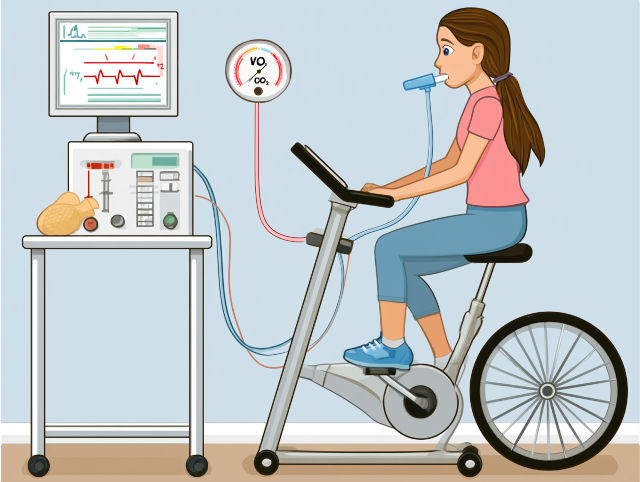
Advanced heart failure occurs when the heart can no longer pump blood effectively enough to meet the body’s needs. Diagnosing this condition often requires cardiopulmonary exercise testing (CPET), a specialised procedure that measures how well the heart and lungs function during physical activity. However, CPET requires expensive equipment and specially trained staff and is usually only available at large medical centres. As a result, many patients with advanced heart failure are not identified early enough to receive appropriate treatment. Researchers estimate that about 200,000 people in the United States are living with advanced heart failure, yet only a small proportion receive the specialised care they need each year.

In the new study, published in the journal npj Digital Medicine, researchers tested whether AI could help overcome this challenge. Instead of relying on CPET, the new method uses routine cardiac ultrasound images, also known as echocardiograms, along with information already contained in patients’ electronic health records. The AI system was designed to predict peak oxygen consumption, or peak VO2, which is considered one of the most important measurements obtained during CPET and a key indicator of advanced heart failure severity.

“This opens up a promising pathway for more efficient assessment of patients with advanced heart failure using data sources that are already embedded in routine care,” said senior study author Fei Wang, associate dean for AI and data science at Weill Cornell Medicine. The project was part of the Cardiovascular AI Initiative, a collaborative effort involving researchers and clinicians from Cornell, Columbia and NewYork-Presbyterian aimed at exploring how AI can improve the diagnosis and management of heart failure.

The researchers emphasised that the project relied on close collaboration between physicians and AI specialists. Nir Uriel, director of advanced heart failure and cardiac transplantation at NewYork-Presbyterian, explained that heart failure specialists first identified areas where AI could have the greatest clinical impact. One of the most promising opportunities was using AI to analyse cardiac ultrasound data to identify patients at high risk. Deborah Estrin, associate dean for impact at Cornell Tech, noted that the collaboration also helped inspire the development of new AI techniques driven directly by clinical needs.

To create the model, the research team trained the AI system using deidentified medical data from 1,000 patients with heart failure treated at NewYork-Presbyterian/Columbia University Irving Medical Center. The AI analysed several different types of information simultaneously, including moving ultrasound images of the heart, images showing blood flow and valve function, and data from electronic health records. After training, the model was tested on a separate group of 127 heart failure patients from three additional NewYork-Presbyterian campuses. The AI demonstrated an overall accuracy of about 85% in identifying patients at high risk, making it one of the strongest reported results so far for AI-based prediction of peak VO2.

The research team is now planning clinical studies to evaluate the technology further before it can be considered for approval by the U.S. Food and Drug Administration and eventual use in routine patient care. Researchers believe the approach could help doctors identify many patients with advanced heart failure earlier and more efficiently than current methods allow. According to Dr. Uriel, improving identification of these patients could ultimately lead to major improvements in treatment, quality of life and long-term health outcomes.

More information: Zhe Huang et al, Multimodal multi-instance learning for cardiopulmonary exercise testing performance prediction, npj Digital Medicine. DOI: 10.1038/s41746-026-02493-w

Journal information: npj Digital Medicine Provided by Weill Cornell Medicine

TAGGED:heart failure
Share This Article
Email Copy Link Print
Previous Article Cardiac Structural Impairment Linked to Increased Risk of Long-Term Adverse Health Events and Mortality
Leave a Comment

Leave a Reply Cancel reply

Your email address will not be published. Required fields are marked *

Recent Posts

  • Artificial Intelligence Offers Promise in Identifying Advanced Heart Failure
  • Cardiac Structural Impairment Linked to Increased Risk of Long-Term Adverse Health Events and Mortality
  • Hospital-Related Delirium Could Be an Early Warning Sign of Dementia
  • Falling Temperatures Drive Up Heart-Related Mortality Rates
  • Ageing and the Breakdown of Proper Cellular Responses

Tags

adolescents adverse effects ageing populations aging populations air pollution alzheimer disease amyloids anxiety artificial intelligence atopic dermatitis behavioral psychology biomarkers blood pressure body mass index brain cancer cancer research cardiology cardiovascular disease cardiovascular disorders caregivers children climate change effects clinical research coffee cognition cognitive development cognitive disorders cognitive function cognitive neuroscience cohort studies COVID-19 dementia depression diabetes diets discovery research disease control disease intervention disease prevention diseases and disorders environmental health epidemiology foods food science gender studies geriatrics gerontology gut microbiota health and medicine health care health care costs health care delivery heart disease heart failure home care human brain human health hypertension inflammation insomnia life expectancy life sciences longitudinal studies memory disorders menopause mental health metabolic disorders metabolism mortality rates neurodegenerative diseases neurological disorders neurology neuroscience nursing homes nutrients nutrition obesity older adults parkinsons disease physical exercise population studies preventive medicine psychiatric disorders psychological science psychological stress public health research impact risk assessment risk factors risk reduction skin sleep sleep apnea sleep disorders social interaction social research socioeconomics type 2 diabetes weight loss
May 2026
S M T W T F S
 12
3456789
10111213141516
17181920212223
24252627282930
31  
« Apr    

This website is for information purpose only and is in no way intended to replace the advice, professional medical care, diagnosis or treatment of a doctor, therapist, dietician or nutritionist.

About | Contact | Cookie Policy | Digital Millennium Copyright Act Notice | Disclaimer | Privacy Policy | Terms of Service

You Might Also Like

Wellness

Pregnant and Postpartum Women with Depression at Increased Risk of Cardiovascular Disease

By support
Wellness

Research reveals links between obesity and heart failure

By support
Wellness

Symptom Management and Enhanced Quality of Life for Cardiovascular Patients Through Palliative Care

By support
Wellness

Comprehending Cardiac Dysfunction: A Deeper Look into Heart Issues

By support
Living Well Study
Categories
  • Ageing Well
  • Brain Health
  • Healthy Diets
  • Mental Wellness
  • Physical Wellness
  • Wellness
LivingWellStudy
  • About
  • Contact
  • Cookie Policy
  • Digital Millennium Copyright Act Notice
  • Disclaimer
  • Privacy Policy
  • Terms of Service
Welcome Back!

Sign in to your account

Username or Email Address
Password

Lost your password?