Wednesday, 20 May 2026
  • My Feed
  • My Saves
  • History
  • Blog
Living Well Study
  • Blog
  • Ageing Well
  • Brain Health
  • Healthy Diets
  • Physical Wellness
  • Wellness
  • 🔥
  • Wellness
  • older adults
  • Living Well
  • Brain Health
  • dementia
  • public health
  • Ageing Well
  • alzheimer disease
  • physical exercise
  • mental health
Font ResizerAa
Living Well StudyLiving Well Study
  • My Saves
  • My Feed
  • History
Search
  • Pages
    • Home
    • Search Page
  • Personalized
    • Blog
    • My Feed
    • My Saves
    • History
  • Categories
    • Ageing Well
    • Brain Health
    • Healthy Diets
    • Mental Wellness
    • Physical Wellness
    • Wellness
Have an existing account? Sign In
Follow US
© 2022 Foxiz News Network. Ruby Design Company. All Rights Reserved.
Living Well Study > Blog > Health Care > Redesigning Hospitals for an Ageing Population
Health Care

Redesigning Hospitals for an Ageing Population

support
Share
older adults, hospital
SHARE

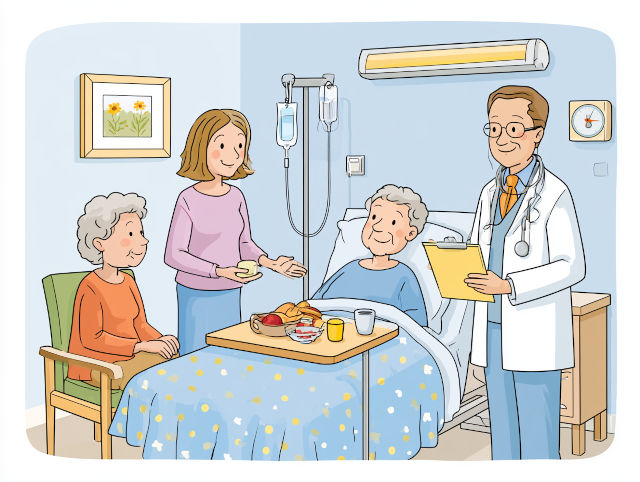
Public hospitals play a vital role in caring for aging populations, yet many operate under financial strain and limited resources. As populations grow older, these pressures can intensify existing imbalances in healthcare access and resource distribution. In Japan, where the pace of population aging varies considerably across regions, these demographic shifts have contributed to unequal access to healthcare services for older adults.

Previous research has suggested that restructuring public hospitals may help address mismatches in healthcare resources, particularly because public institutions are generally better positioned than private hospitals to adapt to regional healthcare needs. However, much of the existing work has relied on qualitative analysis, leaving limited quantitative evidence about how such reforms affect local healthcare systems. Motivated by this gap, researchers at Kyoto University investigated how public hospital restructuring influenced hospital admissions among older adults in Japan.

“Many countries have reformed public hospitals to reduce resource imbalances, but there is limited information on the impact this has on communities and the regional healthcare system,” says first author Kenji Kishimoto.

The researchers focused on a secondary medical service area in Japan experiencing both population aging and population decline. Prior to restructuring, more than half of elderly residents requiring hospitalisation were admitted to facilities outside the region because local hospitals lacked sufficient acute care capacity. The reforms centralised acute care services, reduced the total number of hospital beds while increasing chronic care beds, and expanded the number of physicians working in the area.

Using administrative claims data and statistical modelling, the team analysed monthly hospital admissions among residents aged 65 and older from 36 months before to 48 months after the restructuring. The dataset covered nearly 59,000 hospital admissions. Researchers also incorporated hospital admissions in neighbouring regions to better account for broader healthcare trends and regional shifts in service use.

The findings showed that monthly admissions within the region increased substantially following the restructuring, eventually reaching levels comparable to admissions occurring outside the area. The results suggest that reorganising public hospitals strengthened local capacity for elderly admissions while improving the efficiency of bed management, even though the total number of hospital beds declined overall.

The study underscores the importance of evaluating community-level hospital admissions when assessing the effects of public hospital restructuring. The researchers note that future studies could further explore how these reforms influence patient-centred outcomes, including quality of care, while also examining factors such as healthcare accessibility and socioeconomic conditions.

More information: Kenji Kishimoto et al, Impact of public hospital restructuring on the admission of elderly residents in Japan: a regional population-based study, BMC Health Services Research. DOI: 10.1186/s12913-026-14388-3

Journal information: BMC Health Services Research Provided by Kyoto University

TAGGED:ageing populationsmedical facilitiesolder adults
Share This Article
Email Copy Link Print
Previous Article More Than an Energy Drink: National Study Shows Kratom Use Is Increasing
Next Article Researchers Explore Garlic Compound’s Role in Maintaining Muscle Health
Leave a Comment

Leave a Reply Cancel reply

Your email address will not be published. Required fields are marked *

Recent Posts

  • Researchers Explore Garlic Compound’s Role in Maintaining Muscle Health
  • Redesigning Hospitals for an Ageing Population
  • More Than an Energy Drink: National Study Shows Kratom Use Is Increasing
  • Spending Time Outdoors Linked to Higher Life Satisfaction
  • Exercise Could Play a Key Role in Helping People Stop Smoking

Tags

adolescents adverse effects ageing populations aging populations air pollution alzheimer disease amyloids anxiety artificial intelligence atopic dermatitis behavioral psychology biomarkers blood pressure body mass index brain cancer cancer research cardiology cardiovascular disease cardiovascular disorders caregivers children climate change effects clinical research coffee cognition cognitive development cognitive disorders cognitive function cognitive neuroscience cohort studies COVID-19 dementia depression diabetes diets discovery research disease control disease intervention disease prevention diseases and disorders environmental health epidemiology foods food science gender studies geriatrics gerontology gut microbiota health and medicine health care health care costs health care delivery heart disease heart failure home care human brain human health hypertension inflammation insomnia life expectancy life sciences longitudinal studies memory disorders menopause mental health metabolic disorders metabolism mortality rates neurodegenerative diseases neurological disorders neurology neuroscience nursing homes nutrients nutrition obesity older adults parkinsons disease physical exercise population studies preventive medicine psychiatric disorders psychological science psychological stress public health research impact risk assessment risk factors risk reduction skin sleep sleep apnea sleep disorders social interaction social research socioeconomics type 2 diabetes weight loss
May 2026
S M T W T F S
 12
3456789
10111213141516
17181920212223
24252627282930
31  
« Apr    

This website is for information purpose only and is in no way intended to replace the advice, professional medical care, diagnosis or treatment of a doctor, therapist, dietician or nutritionist.

About | Contact | Cookie Policy | Digital Millennium Copyright Act Notice | Disclaimer | Privacy Policy | Terms of Service

You Might Also Like

Ageing Well

Research Reveals How Political Turmoil, Climate Stress, and Social Disparities Speed Up Ageing

By support
Public Health

Why Older Adults Face Higher Risks from COVID-19 and Flu

By support
Wellness

Internet use may support social connectedness among caregivers

By support
Ageing Well

The ethical burden, limited resources, and ineffective management lead to the departure of home care workers from their positions

By support
Living Well Study
Categories
  • Ageing Well
  • Brain Health
  • Healthy Diets
  • Mental Wellness
  • Physical Wellness
  • Wellness
LivingWellStudy
  • About
  • Contact
  • Cookie Policy
  • Digital Millennium Copyright Act Notice
  • Disclaimer
  • Privacy Policy
  • Terms of Service
Welcome Back!

Sign in to your account

Username or Email Address
Password

Lost your password?