Sunday, 31 May 2026
  • My Feed
  • My Saves
  • History
  • Blog
Living Well Study
  • Blog
  • Ageing Well
  • Brain Health
  • Healthy Diets
  • Physical Wellness
  • Wellness
  • 🔥
  • Wellness
  • older adults
  • Living Well
  • Brain Health
  • dementia
  • public health
  • Ageing Well
  • alzheimer disease
  • physical exercise
  • mental health
Font ResizerAa
Living Well StudyLiving Well Study
  • My Saves
  • My Feed
  • History
Search
  • Pages
    • Home
    • Search Page
  • Personalized
    • Blog
    • My Feed
    • My Saves
    • History
  • Categories
    • Ageing Well
    • Brain Health
    • Healthy Diets
    • Mental Wellness
    • Physical Wellness
    • Wellness
Have an existing account? Sign In
Follow US
© 2022 Foxiz News Network. Ruby Design Company. All Rights Reserved.
Living Well Study > Blog > Ageing Well > Participating in Nature-Based Groups Enhances Wellbeing in Older Adults Experiencing Social Isolation
Ageing Well

Participating in Nature-Based Groups Enhances Wellbeing in Older Adults Experiencing Social Isolation

support
Share
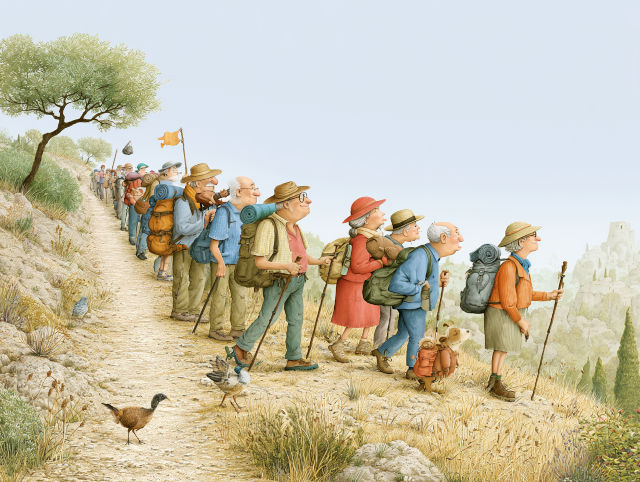
group of older adults, hiking
SHARE

Nature-based group activities can help reduce loneliness, improve sleep and cognitive function, and strengthen feelings of connection to nature among older adults living in care homes. Activities centred on outdoor experiences and engagement with the natural environment promoted wellbeing and health through peer interaction and meaningful shared experiences.

“Participating in weekly group activities for just nine weeks was enough to reduce loneliness and improve sleep, memory, and participants’ sense of connection to nature,” says Kaisu Pitkälä, Director of the Department of General Practice and Primary Health Care at the University of Helsinki. “Our findings also underscore the importance of providing older adults in care homes with more opportunities to spend time outdoors and engage with nature.”

The researchers were encouraged by the positive outcomes, particularly because many participants were frail, living with multiple chronic conditions, and faced logistical challenges related to outdoor activities. Excursions often required accessible taxis, and all participants travelled in wheelchairs. According to Pitkälä, extending the duration of the intervention could have produced even greater benefits.

As part of the project, researchers trained 52 group facilitators working in Helsinki care homes, helping to expand and sustain nature-based practices in residential care settings.

“Frail older adults possess significant personal strengths and resources, and supporting these can improve their wellbeing and overall health,” Pitkälä explains. “More than half of care home residents experience loneliness, which poses risks to health and memory comparable to smoking or obesity. Loneliness is often invisible, which is why it is important to ask older adults directly about their experiences.”

The intervention was based on the Circle of Friends programme developed by the Finnish Association for the Welfare of Older People, which has involved more than 13,000 participants across over 100 municipalities. Notably, 65% of the groups continued independently after the formal programme ended.

Pitkälä describes the study as an important contribution to research on non-pharmacological approaches for frail older adults, particularly those with memory impairment living in 24-hour care settings. The study included 319 older adults living in care homes who experienced loneliness, with an average age of 83 years. Slightly more than half of the participants had memory disorders. Participants were randomly assigned either to take part in the nature-based group activities or to a comparison group.

More information: Kaisu Pitkälä et al, Effects of Nature-based Group Intervention on Cognition and Nature Connectedness Among Lonely Older Adults Living in Assisted Living Facilities—Secondary Analyses of an RCT, Journal of the American Medical Directors Association. DOI: 10.1016/j.jamda.2026.106203

Journal information: Journal of the American Medical Directors Association Provided by University of Helsinki

TAGGED:gerontologyolder adults
Share This Article
Email Copy Link Print
Previous Article Researchers Explore Garlic Compound’s Role in Maintaining Muscle Health
Next Article Study Reveals How Gut Changes with Age May Drive Disease Risk
Leave a Comment

Leave a Reply Cancel reply

Your email address will not be published. Required fields are marked *

Recent Posts

  • Insufficient Protein Consumption May Contribute to Functional Decline with Age
  • Long-Term Research Indicates Health Problems Emerging Earlier for Younger Generations in the UK
  • New Research Suggests the Ageing Brain May Be More Resilient and Adaptable Than Previously Thought
  • The Arts and Healthy Ageing: Evidence of a Slower Ageing Pace
  • Daily Rest-Activity Patterns Correlate with the Pace of Biological Ageing

Tags

adolescents adverse effects ageing populations aging populations air pollution alzheimer disease amyloids anxiety artificial intelligence atopic dermatitis behavioral psychology biomarkers blood pressure body mass index brain cancer cancer research cardiology cardiovascular disease cardiovascular disorders caregivers children climate change effects clinical research coffee cognition cognitive development cognitive disorders cognitive function cognitive neuroscience cohort studies COVID-19 dementia depression diabetes diets discovery research disease control disease intervention disease prevention diseases and disorders environmental health epidemiology foods food science gender studies geriatrics gerontology gut microbiota health and medicine health care health care costs health care delivery heart disease heart failure home care human brain human health hypertension inflammation insomnia life expectancy life sciences longitudinal studies memory disorders menopause mental health metabolic disorders metabolism mortality rates neurodegenerative diseases neurological disorders neurology neuroscience nursing homes nutrients nutrition obesity older adults parkinsons disease physical exercise population studies preventive medicine psychiatric disorders psychological science psychological stress public health research impact risk assessment risk factors risk reduction skin sleep sleep apnea sleep disorders social interaction social research socioeconomics type 2 diabetes weight loss
May 2026
S M T W T F S
 12
3456789
10111213141516
17181920212223
24252627282930
31  
« Apr    

This website is for information purpose only and is in no way intended to replace the advice, professional medical care, diagnosis or treatment of a doctor, therapist, dietician or nutritionist.

About | Contact | Cookie Policy | Digital Millennium Copyright Act Notice | Disclaimer | Privacy Policy | Terms of Service

You Might Also Like

Ageing Well

Financial Woes Predominant: Older Adults Rank Health Costs as Principal Concern, Survey Reveals

By support
Wellness

People Suffering from Migraines Have Increased Risk of Depression Amidst Pandemic

By support
Brain Health

Essential Nutrients Linked to Slower Brain Aging: A Study

By support
Ageing Well

Scientists uncover three psychological profiles that may shape mental, cognitive, and brain health in ageing

By support
Living Well Study
Categories
  • Ageing Well
  • Brain Health
  • Healthy Diets
  • Mental Wellness
  • Physical Wellness
  • Wellness
LivingWellStudy
  • About
  • Contact
  • Cookie Policy
  • Digital Millennium Copyright Act Notice
  • Disclaimer
  • Privacy Policy
  • Terms of Service
Welcome Back!

Sign in to your account

Username or Email Address
Password

Lost your password?