

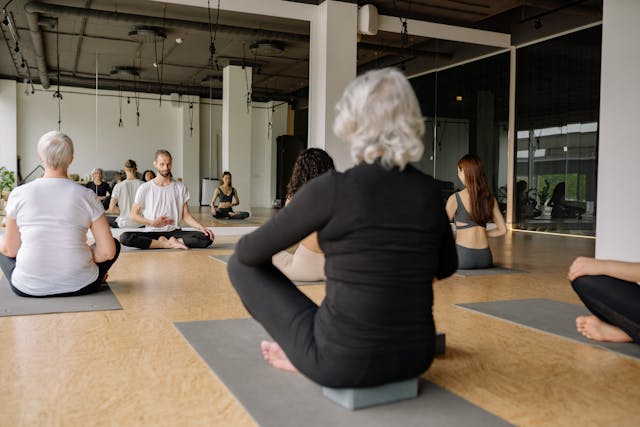
Older adults who regularly engaged in a community-based exercise programme were able to slow—and in some cases reverse—the natural declines in cardiovascular fitness and muscle strength associated with ageing, according to a new study from McMaster University. The findings, published in the journal Exercise, Sport, and Movement, highlight the remarkable potential of structured, age-appropriate physical activity to help seniors maintain their health and independence.
The study revealed particularly promising outcomes for women, whose cardiorespiratory fitness actually improved over time. For men, declines in aerobic capacity were significantly less steep than expected. Both groups also preserved more muscle strength than is usually associated with ageing. These results emphasise the power of consistent, guided exercise in supporting the well-being of older adults at a time when the population over 65 is expanding rapidly.
Researchers followed 124 participants enrolled in the MacSeniors Exercise and Wellness Programme at McMaster’s Physical Activity Centre of Excellence (PACE) over five years. Each individual was encouraged to attend at least two sessions per week, combining a minimum of 30 minutes of moderate-intensity aerobic exercise—ideally totalling 150 minutes weekly—with resistance training for every major muscle group. The programme was designed in line with national guidelines for physical activity among older adults.
During the study, investigators tracked two key measures of long-term health: cardiorespiratory fitness and muscular strength. These are not only markers of functional ability but also predictors of chronic illness, independence, and even mortality risk. “This is a stage of life when many physiological systems are in decline,” explained Angelica McQuarrie, co-author and Programme Manager at PACE. “The fact that participants could sustain their function, reduce the expected age-related changes, and in the case of women reverse them, really underscores the importance of community-based exercise.”
The researchers also credited the supportive social environment as a crucial factor. “A welcoming community keeps older adults engaged, connected, and motivated to return,” said co-author Giulia Coletta, a kinesiology PhD graduate. “When that social connection is combined with evidence-based exercise, participants gain both the confidence and the knowledge to stay active independently. That combination is what leads to lasting health improvements.”
These findings are particularly significant in light of the well-documented decline in physical capacity that begins surprisingly early in adulthood. Aerobic capacity starts to drop after age 30, with the rate of decline accelerating after 45 and worsening through the later decades of life. Muscle strength, which is vital for mobility and fall prevention, also decreases steadily from midlife onward. By the age of 40, respiratory muscle strength typically falls by 8 to 10 per cent per decade, threatening both health and independence if left unaddressed.
For Stuart Phillips, co-author and Director of PACE, the implications are clear. “These kinds of programmes provide sustainable, affordable options where older adults can be guided and monitored in a friendly, non-intimidating environment,” he said. “It’s never too late to get started, and the impact on daily living is profound. Regular, structured activity not only helps preserve physical function but also gives participants confidence, independence, and a stronger quality of life.”
More information: Giulia Coletta et al, Long-Term Enrollment in a Community Exercise Program Attenuates Age-Related Declines in Fitness in Older Adults, Exercise Sport and Movement. DOI: 10.1249/ESM.0000000000000052
Journal information: Exercise Sport and Movement Provided by McMaster University