Thursday, 2 Jul 2026
  • My Feed
  • My Saves
  • History
  • Blog
Living Well Study
  • Blog
  • Ageing Well
  • Brain Health
  • Healthy Diets
  • Physical Wellness
  • Wellness
  • 🔥
  • Wellness
  • older adults
  • Living Well
  • Brain Health
  • dementia
  • public health
  • Ageing Well
  • alzheimer disease
  • physical exercise
  • mental health
Font ResizerAa
Living Well StudyLiving Well Study
  • My Saves
  • My Feed
  • History
Search
  • Pages
    • Home
    • Search Page
  • Personalized
    • Blog
    • My Feed
    • My Saves
    • History
  • Categories
    • Ageing Well
    • Brain Health
    • Healthy Diets
    • Mental Wellness
    • Physical Wellness
    • Wellness
Have an existing account? Sign In
Follow US
© 2022 Foxiz News Network. Ruby Design Company. All Rights Reserved.
Living Well Study > Blog > Ageing Well > Navigating Freedom: How GPS Empowers Older Adults Behind the Wheel
Ageing Well

Navigating Freedom: How GPS Empowers Older Adults Behind the Wheel

support
Share
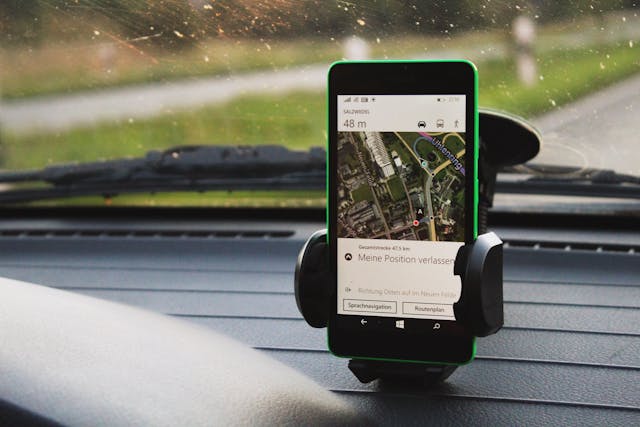
Photo by Malte Luk: https://www.pexels.com/photo/green-nokia-smartphone-1412214/
SHARE

A recent study published on 3 April 2025 in the open-access journal PLOS Digital Health suggests that GPS technology may significantly enhance road mobility among older adult drivers. Conducted by Sol Morrissey of the University of East Anglia and colleagues, the research highlights how electronic navigation tools can help older individuals maintain a sense of independence and continue engaging in everyday travel, even in the face of age-related cognitive challenges.

Driving remains the preferred mode of transport for most older adults. However, natural declines in spatial awareness and cognitive functioning can erode confidence and restrict the frequency and distance of driving. Sustaining driving mobility—the ability to drive regularly and over longer distances—is crucial for maintaining physical autonomy and supporting social engagement and cognitive well-being. Although GPS and other navigational systems are gaining traction among ageing populations, their precise impact on driving behaviour has remained underexplored until now.

To address this gap, Morrissey and colleagues surveyed 895 drivers aged 65 and older, with the average age being 71. The study deliberately excluded individuals with severe untreated medical impairments or excessive alcohol use to ensure that participants could safely operate a vehicle. Participants completed a series of assessments, including self-reported driving patterns, a standardised cognitive evaluation, and a subjective questionnaire to gauge their wayfinding abilities.

Findings revealed that more than 80% of participants reported using some form of navigational assistance while driving. Among these users, over half indicated that they utilised GPS for selected journeys, while more than 70% used it to guide them through entire trips. Fewer than 3% relied on GPS for every drive, suggesting that older adults remain discerning about when to use digital navigation tools.

Perhaps the most compelling insight emerged from participants who demonstrated poor objective wayfinding skills. Within this group, those who used GPS reported significantly higher levels of driving mobility than those who did not. Similarly, participants who described themselves as having a poor sense of direction were more likely to depend on GPS navigation. These findings indicate a positive relationship between GPS use and sustained driving activity, particularly among individuals who might otherwise restrict their travel due to spatial or directional challenges.

The researchers suggest that integrating navigational technology into public health and ageing strategies could be a promising approach to promoting safe and independent driving among older adults. Future investigations could benefit from examining the influence of cultural norms, national driving conditions, the design of specific navigation systems, and the social dynamics introduced by passengers or copilots in the vehicle.

The authors commented on the study’s implications: “In older age, driving is vital for quality of life and wellbeing. Our study shows that older drivers with worse spatial abilities who use GPS navigation assistance have better driving mobility, and therefore supporting older adults in using these tools can help them maintain their driving.”

By shedding light on the practical benefits of GPS navigation for ageing drivers, this study provides a timely reminder that digital technologies—when thoughtfully integrated—can help mitigate the constraints of ageing and foster prolonged independence on the road. As populations age globally, these insights may prove instrumental in shaping transportation policies and technologies that cater to older adults’ evolving needs.

More information: Sol Morrissey et al, GPS navigation assistance is associated with driving mobility in older drivers, PLOS Digital Health. DOI: 10.1371/journal.pdig.0000768

Journal information: PLOS Digital Health Provided by PLOS

TAGGED:drivingGPShealth careolder adults
Share This Article
Email Copy Link Print
Previous Article Hypertension-Induced Renal Changes Begin in the Early Stages
Next Article Mitigating Cognitive Fatigue and Ageing Effects Through Regular Exercise
Leave a Comment

Leave a Reply Cancel reply

Your email address will not be published. Required fields are marked *

Recent Posts

  • The Key to a Fulfilling Retirement: Staying Social
  • Adopting a Healthy Lifestyle Linked to Slower Biological Ageing in Older Men
  • Innovative Wound Treatment Could Improve Healing and Recovery
  • Bringing Toxoplasmosis Into Focus: A Global Call for Recognition
  • Unravelling the Link Between Brain Iron Accumulation and Neurodegeneration

Tags

adolescents adverse effects ageing populations aging populations air pollution alzheimer disease amyloids anxiety artificial intelligence atopic dermatitis behavioral psychology biomarkers blood pressure body mass index brain cancer cancer research cardiology cardiovascular disease cardiovascular disorders caregivers children climate change effects clinical research cognition cognitive development cognitive disorders cognitive function cognitive neuroscience cohort studies COVID-19 dementia depression diabetes diets discovery research disease control disease intervention disease prevention diseases and disorders environmental health epidemiology foods food science gender studies geriatrics gerontology gut microbiota health and medicine health care health care costs health care delivery heart disease heart failure home care human brain human health hypertension inflammation insomnia life expectancy life sciences longitudinal studies memory disorders menopause mental health metabolic disorders metabolism mortality rates neurodegenerative diseases neurological disorders neurology neuroscience nursing homes nutrients nutrition obesity older adults parkinsons disease physical exercise population studies preventive medicine psychiatric disorders psychological science psychological stress public health research impact risk assessment risk factors risk reduction skin sleep sleep apnea sleep disorders social interaction social research socioeconomics tobacco type 2 diabetes weight loss
July 2026
S M T W T F S
 1234
567891011
12131415161718
19202122232425
262728293031  
« Jun    

This website is for information purpose only and is in no way intended to replace the advice, professional medical care, diagnosis or treatment of a doctor, therapist, dietician or nutritionist.

About | Contact | Cookie Policy | Digital Millennium Copyright Act Notice | Disclaimer | Privacy Policy | Terms of Service

You Might Also Like

Public Health

Bone health at risk from microplastics

By support
Wellness

A study finds that perceptions of when ‘old age’ begins have shifted to a later age

By support
Health and Medicine

Fall Prevention Clinics: A Smart Investment in Older Adult Health

By support
Wellness

Blood Protein Levels Indicate Risk for Over 60 Diseases

By support
Living Well Study
Categories
  • Ageing Well
  • Brain Health
  • Healthy Diets
  • Mental Wellness
  • Physical Wellness
  • Wellness
LivingWellStudy
  • About
  • Contact
  • Cookie Policy
  • Digital Millennium Copyright Act Notice
  • Disclaimer
  • Privacy Policy
  • Terms of Service
Welcome Back!

Sign in to your account

Username or Email Address
Password

Lost your password?