


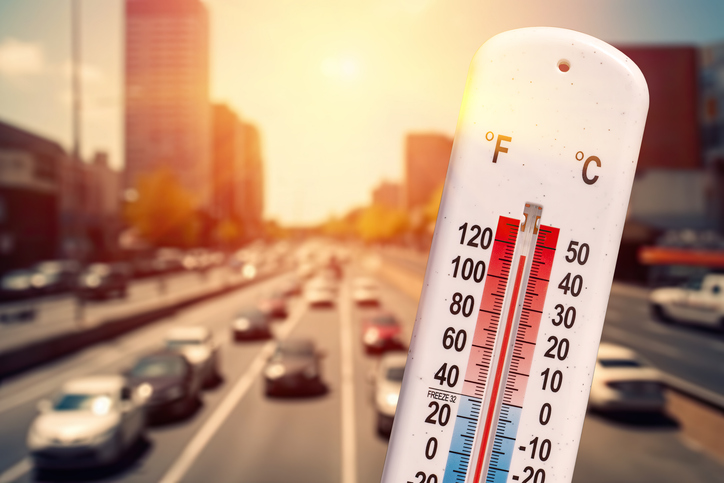
A study led by Monash University has mapped global heatwave-related mortality from 1990 to 2019, revealing over 153,000 additional deaths per warm season, with nearly half occurring in Asia. The research, published in PLOS Medicine and led by Professor Yuming Guo, analysed daily death and temperature data from 750 locations across 43 countries. It found a significant increase in heatwave-related deaths, particularly in Southern and Eastern Europe, polar and alpine regions, and areas with higher incomes.
Comparing temperatures from 1850–1990 to 2013–2022, global surface temperatures have risen by 1.14℃, projected to increase by 0.41-3.41℃ by 2081–2100 due to climate change. This warming trend intensifies heatwaves in frequency, severity, and geographical spread. The study underscores that heatwaves contribute to a mortality burden averaging 236 deaths per ten million residents per warm season.
The study, which collaborated with Shandong University, the London School of Hygiene & Tropical Medicine, and other global institutions, highlights regional disparities in heatwave impacts. Tropical climates and lower-income regions saw a decline in heatwave-related mortality from 1990 to 2019. However, the findings stress the urgent need for tailored adaptation strategies and risk management at all government levels.
Professor Guo emphasises that while previous studies on heatwave-related deaths have been limited in scope, their research provides comprehensive evidence of significant global mortality impacts over the past three decades. Heatwaves induce severe thermal stress on the body, leading to organ dysfunction and heat-related illnesses like heat exhaustion, cramps, and stroke, exacerbating pre-existing chronic conditions and potentially causing premature death and psychiatric disorders.
More information: Qi Zhao et al, Global, regional, and national burden of heatwave-related mortality from 1990 to 2019: A three-stage modelling study, PLoS Medicine. DOI: 10.1371/journal.pmed.1004364
Journal information: PLoS Medicine Provided by Monash University