Monday, 18 May 2026
  • My Feed
  • My Saves
  • History
  • Blog
Living Well Study
  • Blog
  • Ageing Well
  • Brain Health
  • Healthy Diets
  • Physical Wellness
  • Wellness
  • 🔥
  • Wellness
  • older adults
  • Living Well
  • Brain Health
  • dementia
  • public health
  • Ageing Well
  • alzheimer disease
  • physical exercise
  • mental health
Font ResizerAa
Living Well StudyLiving Well Study
  • My Saves
  • My Feed
  • History
Search
  • Pages
    • Home
    • Search Page
  • Personalized
    • Blog
    • My Feed
    • My Saves
    • History
  • Categories
    • Ageing Well
    • Brain Health
    • Healthy Diets
    • Mental Wellness
    • Physical Wellness
    • Wellness
Have an existing account? Sign In
Follow US
© 2022 Foxiz News Network. Ruby Design Company. All Rights Reserved.
Living Well Study > Blog > Physical Wellness > Physical activity during childhood is associated with cerebellar size in adolescence
Physical Wellness

Physical activity during childhood is associated with cerebellar size in adolescence

support
Share
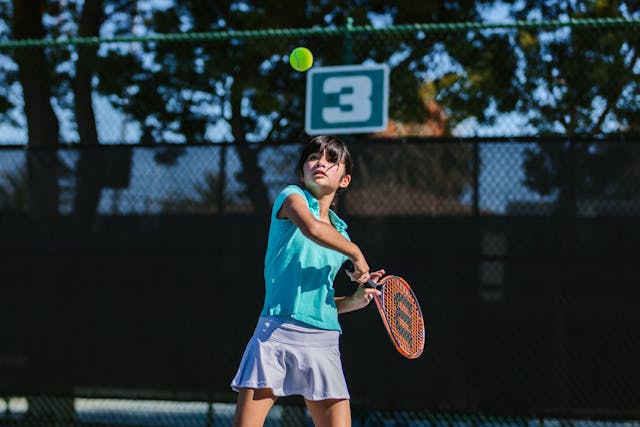
Girl Playing Tennis. Photo by RDNE Stock project: https://www.pexels.com/photo/girl-playing-tennis-8223960/
SHARE

Research conducted by the University of Jyväskylä and the University of Eastern Finland reveals a significant correlation between sustained physical fitness from childhood and the volume of cerebellar grey matter in adolescents. The study highlights that adolescents with superior neuromuscular fitness, greater strength, speed, and agility possessed a larger volume of Crus I grey matter during their teenage years.

The cerebellum’s role in cognitive functions and learning is well-documented, yet the relationship between physical fitness and the cerebellum’s volume during adolescence has yet to be thoroughly understood. This investigation delves into how physical fitness correlates with the grey matter volume in specific cerebellar lobules implicated in adolescents’ cognitive processes, examining differences across genders.

Findings indicate that adolescents with higher levels of neuromuscular fitness since childhood exhibit a greater volume of Crus I grey matter. Conversely, those with better cardiorespiratory fitness showed a reduction in the total volume of cerebellar grey matter. Notably, male adolescents with enhanced neuromuscular fitness from childhood were found to have a reduced volume of Crus II grey matter.

Doctoral Researcher Petri Jalanko from the Faculty of Sport and Health Sciences at the University of Jyväskylä emphasised the significance of ongoing physical activity from childhood through adolescence. Such activity leads to improved physical fitness, which may be crucial for the cerebellum’s volumes integral to cognition and learning. However, Jalanko also acknowledged the paradoxical nature of some of the observed associations.

Jalanko further commented on the necessity of future research to elucidate the connections between physical fitness and cerebellar volume. He advocated for implementing randomised controlled trials that employ direct measurements of cardiorespiratory fitness and advanced brain imaging techniques. These studies should encompass a broader demographic and analyse the sexes separately to comprehend better adolescents’ links and causality between physical fitness and cerebellar volumes.

The insights are derived from the FitBrain study, part of an 8-year follow-up examination within the Physical Activity and Nutrition in Children (PANIC) study involving 40 participants. The cohort comprised 22 females and 18 males, with an average age of 17.9 years.

Cardiorespiratory fitness assessment involved a maximal ramp test using a cycle ergometer. Muscular strength was measured through the standing long jump, speed agility via the 10 x 5 m shuttle-run test, and coordination through the Box and Block Test. Neuromuscular fitness was quantified as a composite score based on the standing long jump, Box and Block Test, and shuttle-run test z-scores. Cerebellar volumes were determined through magnetic resonance imaging. These findings have been published in the esteemed Scandinavian Journal of Medicine and Science in Sports, marking a significant contribution to the field.

More information: Petri Jalanko et al, Associations between physical fitness and cerebellar gray matter volume in adolescents, Scandinavian Journal of Medicine and Science in Sports. DOI: 10.1111/sms.14513

Journal information: Scandinavian Journal of Medicine and Science in Sports Provided by University of Eastern Finland

TAGGED:adolescentscerebellumchildrencognitiongray matterphysical exercise
Share This Article
Email Copy Link Print
Previous Article Video game enthusiasts across the globe could be jeopardizing their hearing permanently or facing the risk of tinnitus
Next Article Listening to calming words while you sleep can decelerate your heartbeat
Leave a Comment

Leave a Reply Cancel reply

Your email address will not be published. Required fields are marked *

Recent Posts

  • Spending Time Outdoors Linked to Higher Life Satisfaction
  • Exercise Could Play a Key Role in Helping People Stop Smoking
  • The Tiny Cellular Framework Behind Brain Development
  • ‘Forever Chemicals’ Found in Nearly Entire US Study Population, Researchers Report
  • Healthy Hearts May Still Face the Risk of Alzheimer’s Disease

Tags

adolescents adverse effects ageing populations aging populations air pollution alzheimer disease amyloids anxiety artificial intelligence atopic dermatitis behavioral psychology biomarkers blood pressure body mass index brain cancer cancer research cardiology cardiovascular disease cardiovascular disorders caregivers children climate change effects clinical research coffee cognition cognitive development cognitive disorders cognitive function cognitive neuroscience cohort studies COVID-19 dementia depression diabetes diets discovery research disease control disease intervention disease prevention diseases and disorders environmental health epidemiology foods food science gender studies geriatrics gerontology gut microbiota health and medicine health care health care costs health care delivery heart disease heart failure home care human brain human health hypertension inflammation insomnia life expectancy life sciences longitudinal studies memory disorders menopause mental health metabolic disorders metabolism mortality rates neurodegenerative diseases neurological disorders neurology neuroscience nursing homes nutrients nutrition obesity older adults parkinsons disease physical exercise population studies preventive medicine psychiatric disorders psychological science psychological stress public health research impact risk assessment risk factors risk reduction skin sleep sleep apnea sleep disorders social interaction social research socioeconomics type 2 diabetes weight loss
May 2026
S M T W T F S
 12
3456789
10111213141516
17181920212223
24252627282930
31  
« Apr    

This website is for information purpose only and is in no way intended to replace the advice, professional medical care, diagnosis or treatment of a doctor, therapist, dietician or nutritionist.

About | Contact | Cookie Policy | Digital Millennium Copyright Act Notice | Disclaimer | Privacy Policy | Terms of Service

You Might Also Like

Brain Health

Maintaining a Healthy Lifestyle Could Mitigate Brain Ageing Linked to Diabetes

By support
Physical Wellness

Research links physical activity to lower rates of depression and insomnia in ageing smokers

By support
Living Well

Following a Mediterranean lifestyle is linked to a reduced risk of death from all-cause and cancer mortality

By support
Physical Wellness

Engaging in regular exercise alleviates cognitive decline associated with obesity

By support
Living Well Study
Categories
  • Ageing Well
  • Brain Health
  • Healthy Diets
  • Mental Wellness
  • Physical Wellness
  • Wellness
LivingWellStudy
  • About
  • Contact
  • Cookie Policy
  • Digital Millennium Copyright Act Notice
  • Disclaimer
  • Privacy Policy
  • Terms of Service
Welcome Back!

Sign in to your account

Username or Email Address
Password

Lost your password?