Monday, 18 May 2026
  • My Feed
  • My Saves
  • History
  • Blog
Living Well Study
  • Blog
  • Ageing Well
  • Brain Health
  • Healthy Diets
  • Physical Wellness
  • Wellness
  • 🔥
  • Wellness
  • older adults
  • Living Well
  • Brain Health
  • dementia
  • public health
  • Ageing Well
  • alzheimer disease
  • physical exercise
  • mental health
Font ResizerAa
Living Well StudyLiving Well Study
  • My Saves
  • My Feed
  • History
Search
  • Pages
    • Home
    • Search Page
  • Personalized
    • Blog
    • My Feed
    • My Saves
    • History
  • Categories
    • Ageing Well
    • Brain Health
    • Healthy Diets
    • Mental Wellness
    • Physical Wellness
    • Wellness
Have an existing account? Sign In
Follow US
© 2022 Foxiz News Network. Ruby Design Company. All Rights Reserved.
Living Well Study > Blog > Healthy Diets > Research: How the Mediterranean Diet Alters Gut Microbiota to Enhance Memory and Cognitive Function
Healthy Diets

Research: How the Mediterranean Diet Alters Gut Microbiota to Enhance Memory and Cognitive Function

support
Share
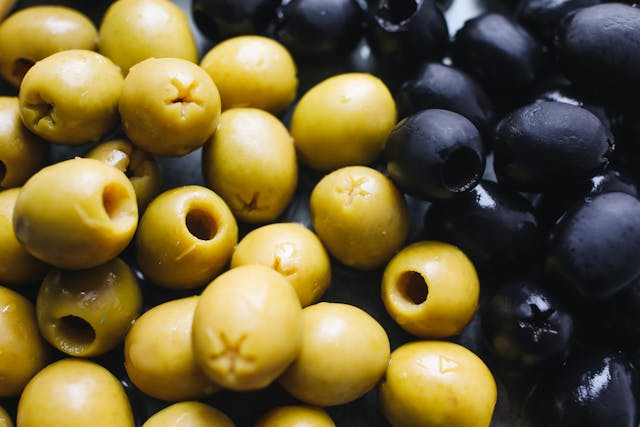
Photo by Polina Tankilevitch: https://www.pexels.com/photo/close-up-photo-of-olives-4109910/
SHARE

A recent study conducted by Tulane University has revealed that the brain-enhancing properties of the Mediterranean diet might be attributed to its impact on the gut microbiota.

Published in the journal Gut Microbes Reports, the research undertaken by the Tulane University School of Medicine reveals that individuals adhering to a Mediterranean diet exhibit distinct patterns of gut bacteria compared to those consuming a typical Western diet. This variation in gut bacteria is strongly associated with improved memory and cognitive functions. Rebecca Solch-Ottaiano, PhD, a neurology research instructor at Tulane’s Clinical Neuroscience Research Center and the study’s lead author, stated, “We’ve long understood that our dietary choices influence brain functions. This research provides insights into the mechanisms behind this influence, suggesting that the gut microbiome plays a pivotal role in this process.”

In an experimental setup involving rats, the study demonstrated that a 14-week diet rich in key Mediterranean ingredients such as olive oil, fish, and fibre led to an increase in four beneficial types of gut bacteria and a decrease in five detrimental types. These changes were directly linked to enhanced performance in maze tests designed to assess memory and learning capabilities. Notably, higher levels of certain bacteria like Candidatus Saccharimonas were tied to superior cognitive performance, whereas an increase in bacteria such as Bifidobacterium was associated with poorer memory functionality.

The findings also highlighted that rats on the Mediterranean diet showed greater cognitive flexibility—the ability to process and adapt to new information—and demonstrated improved working memory compared to their counterparts on the Western diet. Additionally, these rats maintained lower levels of harmful LDL cholesterol.

This groundbreaking study is the first to evaluate the Mediterranean diet’s effects on microbiota and cognitive function in a rodent model, providing potential insight into its benefits during critical developmental periods. The research team, led by Dr. Demetrius M. Maraganore, the Herbert J. Harvey, Jr. Chair of Neurosciences at Tulane, used young rats roughly equivalent to 18-year-old humans to simulate the impact of dietary patterns during significant developmental phases. The choice of diet for the study reflects the complexity of human dietary habits.

Dr. Maraganore remarked, “Our results suggest that the Mediterranean diet, or its biological impacts, might be utilized to enhance academic performance in teenagers or professional performance in young adults. Although our findings are initially based on animal models, they resonate with human studies that connect the Mediterranean diet with enhanced memory capabilities and a reduced risk of dementia.”

The researchers stress the need for more extensive human studies to corroborate these findings and deepen our understanding of the intricate interplay between diet, gut microbiota, and brain function in the youth.

For individuals keen on adopting a Mediterranean dietary pattern, essential elements include using olive oil as the primary fat source, consuming ample vegetables, fruits, and whole grains, including fish and lean proteins in the diet, limiting the intake of red meat and saturated fats, and ensuring a high fibre intake from a variety of plant sources. This diet not only supports cognitive and gut health but also offers a balanced approach to eating that could be beneficial across various stages of life.

More information: Rebecca Solch-Ottaiano et al, Comparison between two divergent diets, Mediterranean and Western, on gut microbiota and cognitive function in young sprague dawley rats, Gut Microbes Reports. DOI: 10.1080/29933935.2024.2439490

Journal information: Gut Microbes Reports Provided by Tulane University

TAGGED:alzheimer diseasedementiagut microbiota
Share This Article
Email Copy Link Print
Previous Article Recent Research Shows That Sleep Helps Block Intrusive Memories
Next Article Challenging Myths About Ageing: Seniors Show Greater Risk Tolerance and Resilience Against Manipulation
Leave a Comment

Leave a Reply Cancel reply

Your email address will not be published. Required fields are marked *

Recent Posts

  • Spending Time Outdoors Linked to Higher Life Satisfaction
  • Exercise Could Play a Key Role in Helping People Stop Smoking
  • The Tiny Cellular Framework Behind Brain Development
  • ‘Forever Chemicals’ Found in Nearly Entire US Study Population, Researchers Report
  • Healthy Hearts May Still Face the Risk of Alzheimer’s Disease

Tags

adolescents adverse effects ageing populations aging populations air pollution alzheimer disease amyloids anxiety artificial intelligence atopic dermatitis behavioral psychology biomarkers blood pressure body mass index brain cancer cancer research cardiology cardiovascular disease cardiovascular disorders caregivers children climate change effects clinical research coffee cognition cognitive development cognitive disorders cognitive function cognitive neuroscience cohort studies COVID-19 dementia depression diabetes diets discovery research disease control disease intervention disease prevention diseases and disorders environmental health epidemiology foods food science gender studies geriatrics gerontology gut microbiota health and medicine health care health care costs health care delivery heart disease heart failure home care human brain human health hypertension inflammation insomnia life expectancy life sciences longitudinal studies memory disorders menopause mental health metabolic disorders metabolism mortality rates neurodegenerative diseases neurological disorders neurology neuroscience nursing homes nutrients nutrition obesity older adults parkinsons disease physical exercise population studies preventive medicine psychiatric disorders psychological science psychological stress public health research impact risk assessment risk factors risk reduction skin sleep sleep apnea sleep disorders social interaction social research socioeconomics type 2 diabetes weight loss
May 2026
S M T W T F S
 12
3456789
10111213141516
17181920212223
24252627282930
31  
« Apr    

This website is for information purpose only and is in no way intended to replace the advice, professional medical care, diagnosis or treatment of a doctor, therapist, dietician or nutritionist.

About | Contact | Cookie Policy | Digital Millennium Copyright Act Notice | Disclaimer | Privacy Policy | Terms of Service

You Might Also Like

Brain Health

Continuous Cognitive Activity Throughout Life Tied to Reduced Alzheimer’s Risk

By support
Brain Health

Recent Study Reveals Cellular Routes to Alzheimer’s and Divergent Brain Ageing

By support
Wellness

Hidden Dementia: Research Reveals Widespread Undetected Cognitive Impairment in At-Risk Communities

By support
Healthy Diets

Vegetables and fruits have been identified as the source for the development of new anti-cancer compounds

By support
Living Well Study
Categories
  • Ageing Well
  • Brain Health
  • Healthy Diets
  • Mental Wellness
  • Physical Wellness
  • Wellness
LivingWellStudy
  • About
  • Contact
  • Cookie Policy
  • Digital Millennium Copyright Act Notice
  • Disclaimer
  • Privacy Policy
  • Terms of Service
Welcome Back!

Sign in to your account

Username or Email Address
Password

Lost your password?