Thursday, 2 Apr 2026
  • My Feed
  • My Saves
  • History
  • Blog
Living Well Study
  • Blog
  • Ageing Well
  • Brain Health
  • Healthy Diets
  • Physical Wellness
  • Wellness
  • 🔥
  • Wellness
  • older adults
  • Living Well
  • Brain Health
  • public health
  • dementia
  • Ageing Well
  • physical exercise
  • alzheimer disease
  • mental health
Font ResizerAa
Living Well StudyLiving Well Study
  • My Saves
  • My Feed
  • History
Search
  • Pages
    • Home
    • Search Page
  • Personalized
    • Blog
    • My Feed
    • My Saves
    • History
  • Categories
    • Ageing Well
    • Brain Health
    • Healthy Diets
    • Mental Wellness
    • Physical Wellness
    • Wellness
Have an existing account? Sign In
Follow US
© 2022 Foxiz News Network. Ruby Design Company. All Rights Reserved.
Living Well Study > Blog > Physical Wellness > Research Identifies Exercise Types That Target Body Fat in Older Adults
Physical Wellness

Research Identifies Exercise Types That Target Body Fat in Older Adults

support
Share
high intensity interval training
SHARE

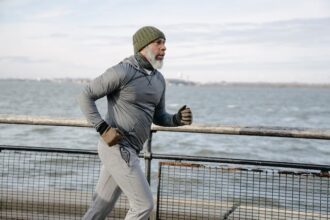
High-intensity interval training (HIIT) may be the most effective form of exercise for reducing body fat while preserving muscle mass in older adults, according to new research led by academics at the University of the Sunshine Coast. While a range of exercise intensities were shown to promote some fat loss, HIIT stood out for its ability to protect lean muscle, a key factor in healthy ageing.

The study found that high-, moderate- and low-intensity exercise programmes all resulted in modest reductions in body fat. However, only HIIT allowed participants to lose fat without a corresponding loss of lean muscle. Lead author and exercise physiologist Dr Grace Rose said this distinction was necessary, as muscle preservation plays a central role in maintaining strength, mobility and independence later in life.

Researchers examined how different exercise intensities influenced body composition in healthy older adults. Moderate-intensity training successfully reduced fat mass but was also associated with a slight decline in lean muscle. In contrast, participants undertaking HIIT were able to achieve fat loss while maintaining muscle, suggesting that exercise intensity may be a critical factor when designing training programmes for ageing populations.

Both high- and moderate-intensity exercise were also found to improve fat distribution around the abdomen, an area closely linked with metabolic and cardiovascular disease risk. The effects of low-intensity exercise were less conclusive, and the research team noted that further analysis is required to fully understand how gentler forms of exercise influence body composition in older adults.

Dr Rose said the findings were particularly significant because changes in body composition are implicated in the progression of many chronic diseases associated with ageing. The study involved more than 120 healthy participants from the Greater Brisbane region, who completed three supervised gym-based exercise sessions per week over six months. Participants had an average age of 72 and a mean body mass index of 26 kg/m², which is considered normal for adults aged over 65.

Co-author Mia Schaumberg welcomed the publication of the research in the journal Maturitas, produced in collaboration with UniSC’s Healthy Ageing Research Cluster and the University of Queensland. She explained that HIIT in the study involved repeated short bursts of very demanding exercise, where breathing was heavy and conversation difficult, alternated with easier recovery periods. This higher level of muscular stress, she said, likely sends a stronger signal to the body to retain muscle tissue, making HIIT a promising strategy for healthy ageing.

More information: Grace Rose et al, Exercise intensity influences body composition: a 6-month comparison of high-intensity interval, moderate- and low-intensity training among healthy older adults, Maturitas. DOI: 10.1016/j.maturitas.2025.108763

Journal information: Maturitas Provided by University of the Sunshine Coast

TAGGED:human physiology
Share This Article
Email Copy Link Print
Previous Article Childhood Pollution Exposure Associated with Lasting Cognitive Consequences
Next Article Active Lives, Strong Ties: Boosting Older Adults’ Health Through Connection and Movement
Leave a Comment

Leave a Reply Cancel reply

Your email address will not be published. Required fields are marked *

Recent Posts

  • Experts fine-tune genetic maps to trace DNA influences on human traits and disease susceptibility
  • Fall Prevention Clinics: A Smart Investment in Older Adult Health
  • USC research shows early Alzheimer’s brain markers vary across diverse populations
  • Researchers find gut health supplement may help relieve arthritis pain
  • Outages Drive Rise in Emergency Hospital Visits Among Elderly Populations

Tags

adolescents adverse effects ageing populations aging populations air pollution alzheimer disease amyloids anxiety artificial intelligence atopic dermatitis behavioral psychology biomarkers blood pressure body mass index brain cancer cancer research cardiology cardiovascular disease cardiovascular disorders caregivers children climate change effects clinical research coffee cognition cognitive development cognitive disorders cognitive function cognitive neuroscience cohort studies COVID-19 dementia depression diabetes diets discovery research disease control disease intervention disease prevention diseases and disorders environmental health epidemiology foods food science gender studies geriatrics gerontology gut microbiota health and medicine health care health care costs health care delivery heart disease heart failure home care human brain human health hypertension inflammation insomnia life expectancy life sciences longitudinal studies memory disorders menopause mental health metabolic disorders metabolism mortality rates neurodegenerative diseases neurological disorders neurology neuroscience nursing homes nutrients nutrition obesity older adults parkinsons disease physical exercise population studies preventive medicine psychiatric disorders psychological science psychological stress public health research impact risk assessment risk factors risk reduction skin sleep sleep apnea sleep disorders social interaction social research socioeconomics type 2 diabetes weight loss
April 2026
S M T W T F S
 1234
567891011
12131415161718
19202122232425
2627282930  
« Mar    

This website is for information purpose only and is in no way intended to replace the advice, professional medical care, diagnosis or treatment of a doctor, therapist, dietician or nutritionist.

About | Contact | Cookie Policy | Digital Millennium Copyright Act Notice | Disclaimer | Privacy Policy | Terms of Service

You Might Also Like

Physical Wellness

Routine physical activity can decelerate the progression of bone density loss

By support
Physical Wellness

Exploration of Physical Fitness Among Adults Between 50 and 64 Years Old

By support
Physical Wellness

Safety Concerns: Blood Flow Restriction Cuffs and Falls in Older Adults

By support
Physical Wellness

Stride into Digital Incentives

By support
Living Well Study
Categories
  • Ageing Well
  • Brain Health
  • Healthy Diets
  • Mental Wellness
  • Physical Wellness
  • Wellness
LivingWellStudy
  • About
  • Contact
  • Cookie Policy
  • Digital Millennium Copyright Act Notice
  • Disclaimer
  • Privacy Policy
  • Terms of Service
Welcome Back!

Sign in to your account

Username or Email Address
Password

Lost your password?