
Wednesday, 21 Jan 2026
  • My Feed
  • My Saves
  • History
  • Blog
Living Well Study
  • Blog
  • Ageing Well
  • Brain Health
  • Healthy Diets
  • Physical Wellness
  • Wellness
  • 🔥
  • Wellness
  • older adults
  • Living Well
  • Brain Health
  • public health
  • dementia
  • Ageing Well
  • mental health
  • physical exercise
  • alzheimer disease
Font ResizerAa
Living Well StudyLiving Well Study
  • My Saves
  • My Feed
  • History
Search
  • Pages
    • Home
    • Search Page
  • Personalized
    • Blog
    • My Feed
    • My Saves
    • History
  • Categories
    • Ageing Well
    • Brain Health
    • Healthy Diets
    • Mental Wellness
    • Physical Wellness
    • Wellness
Have an existing account? Sign In
Follow US
© 2022 Foxiz News Network. Ruby Design Company. All Rights Reserved.
Living Well Study > Blog > Living Well > Research indicates that natural compounds found in soy and other plants decrease the recurrence of breast cancer and enhance survival rates
Living Well

Research indicates that natural compounds found in soy and other plants decrease the recurrence of breast cancer and enhance survival rates

support
Share
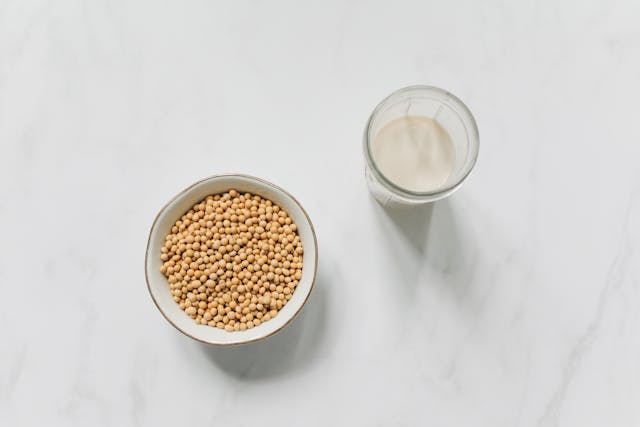
Top View Photo of Soybeans on Bowl Near Drinking Glass With Soy Milk. Photo by Polina Tankilevitch: https://www.pexels.com/photo/top-view-photo-of-soybeans-on-bowl-near-drinking-glass-with-soy-milk-4518615/
SHARE

Isoflavones from soy and other plant-derived compounds might significantly reduce the likelihood of breast cancer recurrence or death, suggesting a new meta-analysis co-led by researchers from the Johns Hopkins Kimmel Cancer Center. The findings were detailed in the January 10 publication of the journal JNCI Cancer Spectrum.

A team of researchers from Australia, Denmark, England, Norway, and the U.S. examined 22 observational studies examining the effects of dietary intake of soybeans, lignans (found in various plants, including seeds and nuts), vegetables from the cabbage family, and green tea. These studies focused on how phytonutrients from these sources affect the recurrence of breast cancer and overall mortality. The analysis included different studies focusing on these dietary components, including 11 on soy isoflavones, three on cruciferous vegetables, two on green tea, three on lignans, and three on enterolactone, a by-product formed when lignans are metabolised in the gut.

The analysis highlighted that soy isoflavones are linked to a 26% decrease in the risk of breast cancer recurrence. This finding came from a subset of six studies involving 11,837 women, particularly noticeable among post-menopausal survivors. The most substantial reduction in risk was observed at an intake of 60 milligrams per day, equivalent to two to three servings daily. Although soy consumption also showed a decrease in mortality risk by 12%, this finding was not statistically significant and was primarily observed at lower doses of 20-40 mg per day.

Another notable discovery from this meta-analysis was regarding enterolactone, a compound derived from the digestion of lignans, which are abundant in many plants, including flaxseeds, cashew nuts, broccoli, and brussels sprouts. Enterolactone was associated with a 28% lower risk of breast cancer-specific mortality and a 31% reduction in mortality from all causes, with a 35% decrease in all-cause mortality expressly noted in post-menopausal women. Due to individual differences in gut microbiomes, which affect the metabolism of lignans, it is challenging to determine an effective dietary dose of lignans based on these outcomes.

Lead author Diana van Die, PhD, from the NICM Health Research Institute at Western Sydney University in Australia, stated that these findings were classified as ‘probable,’ indicating robust research evidence supporting their validity.

The review also uncovered some suggestive results, such as the potential impact of green tea consumption on reducing the risk of breast cancer recurrence by 44% in women diagnosed with stage I or II breast cancer, mainly from consuming three to five cups daily. Moreover, pre-diagnosis intake of lignans showed a non-significant 34% reduction in cancer-specific mortality and a 19% decrease in mortality from all causes among post-menopausal women. However, an increased risk of mortality was suggested in pre-menopausal women. These effects appear to depend on the hormonal environment and require further investigation.

The role of cruciferous vegetables in influencing breast cancer outcomes was less clear, possibly affected by the generally low intake levels in the studies reviewed.

The investigators also explored whether the timing of consuming these foods and phytonutrients, either before or after a breast cancer diagnosis, influenced the outcomes. However, the evidence was inconclusive. Notably, all studies on green tea and lignans assessed intake before diagnosis, whereas soy studies considered pre- and post-diagnosis intake.

Senior study author Channing Paller, M.D., emphasised the importance of not viewing these foods and phytonutrients as alternatives to conventional medical or surgical treatment for breast cancer. The research underlines the need for more in-depth studies to ascertain the most effective dosages of these compounds and whether their benefits are comparable when initiated post-diagnosis, as opposed to being part of a lifelong dietary practice.

This area of research continues to evolve, emphasising understanding how best to incorporate these natural compounds into dietary practices for those diagnosed with breast cancer and determining their exact role and efficacy in cancer prevention and treatment.

More information: M Diana van Die et al, Phytonutrients and outcomes following breast cancer: a systematic review and meta-analysis of observational studies, JNCI Cancer Spectrum. DOI: 10.1093/jncics/pkad104

Journal information: JNCI Cancer Spectrum Provided by Johns Hopkins Medicine
TAGGED:breast cancerclinical studiesgender studiesmedical diagnosismortality ratesrisk reduction
Share This Article
Email Copy Link Print
Previous Article Study suggests that fish fed to farmed salmon could also be included in our diet
Next Article New research emphasises the advantages of touch on mental and physical well-being
Leave a Comment

Leave a Reply Cancel reply

Your email address will not be published. Required fields are marked *

Recent Posts

  • Researchers uncover links between infection and ageing through cellular senescence mechanisms
  • Study finds possible connection between brain injuries and suicide risk
  • Nearly 1.6 Million Adults in the UK Turned to Weight Loss Drugs Last Year
  • Targeting senescent brain cells may offer new ways to ease epilepsy symptoms
  • Do circadian rhythms play a role in dementia risk?

Tags

adolescents adverse effects ageing populations aging populations air pollution alzheimer disease amyloids anxiety artificial intelligence atopic dermatitis behavioral psychology biomarkers blood pressure body mass index brain cancer cancer research cardiology cardiovascular disease cardiovascular disorders caregivers children climate change effects clinical research coffee cognitive development cognitive disorders cognitive function cognitive neuroscience cohort studies COVID-19 dementia depression diabetes diets discovery research disease control disease intervention disease prevention diseases and disorders environmental health epidemiology foods food science gender studies geriatrics gerontology gut microbiota health and medicine health care health care costs health care delivery heart disease heart failure home care human brain human health hypertension inflammation insomnia life expectancy life sciences longitudinal studies memory disorders menopause mental health metabolic disorders metabolism mortality rates neurodegenerative diseases neurological disorders neurology neuroscience nursing homes nutrients nutrition obesity older adults parkinsons disease physical exercise population studies preventive medicine psychiatric disorders psychological science psychological stress public health research impact risk assessment risk factors risk reduction skin sleep sleep apnea sleep disorders social interaction social research socioeconomics stress management type 2 diabetes weight loss
January 2026
S M T W T F S
 123
45678910
11121314151617
18192021222324
25262728293031
« Dec    

This website is for information purpose only and is in no way intended to replace the advice, professional medical care, diagnosis or treatment of a doctor, therapist, dietician or nutritionist.

About | Contact | Cookie Policy | Digital Millennium Copyright Act Notice | Disclaimer | Privacy Policy | Terms of Service

You Might Also Like

Living Well

A wake-up call for everyone to establish consistent healthy sleeping patterns

By support
Living Well

Does attempting to appear younger lessen the amount of ageism faced by older adults?

By support
Living Well

Community Parks Significantly Reduce Heart Disease Deaths Among Men and Inhabitants of High-Crime Areas

By support
Living Well

High Risk of Kidney Complications Found in Hospitalized Older Adults with Heart Failure

By support
Living Well Study
Categories
  • Ageing Well
  • Brain Health
  • Healthy Diets
  • Mental Wellness
  • Physical Wellness
  • Wellness
LivingWellStudy
  • About
  • Contact
  • Cookie Policy
  • Digital Millennium Copyright Act Notice
  • Disclaimer
  • Privacy Policy
  • Terms of Service
Welcome Back!

Sign in to your account

Username or Email Address
Password

Lost your password?