
Wednesday, 21 Jan 2026
  • My Feed
  • My Saves
  • History
  • Blog
Living Well Study
  • Blog
  • Ageing Well
  • Brain Health
  • Healthy Diets
  • Physical Wellness
  • Wellness
  • 🔥
  • Wellness
  • older adults
  • Living Well
  • Brain Health
  • public health
  • dementia
  • Ageing Well
  • mental health
  • physical exercise
  • alzheimer disease
Font ResizerAa
Living Well StudyLiving Well Study
  • My Saves
  • My Feed
  • History
Search
  • Pages
    • Home
    • Search Page
  • Personalized
    • Blog
    • My Feed
    • My Saves
    • History
  • Categories
    • Ageing Well
    • Brain Health
    • Healthy Diets
    • Mental Wellness
    • Physical Wellness
    • Wellness
Have an existing account? Sign In
Follow US
© 2022 Foxiz News Network. Ruby Design Company. All Rights Reserved.
Living Well Study > Blog > Physical Wellness > Routine physical activity can decelerate the progression of bone density loss
Physical Wellness

Routine physical activity can decelerate the progression of bone density loss

support
Share
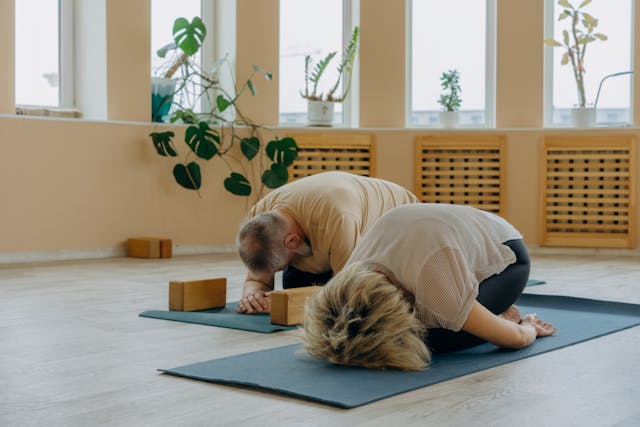
Elderly Couple Doing Bending Down Exercise on Yoga Mat. Photo by Mikhail Nilov: https://www.pexels.com/photo/elderly-couple-doing-bending-down-exercise-on-yoga-mat-7500331/
SHARE

A recent investigation highlights the potential benefits of incorporating medium-to-high-intensity impact activities into daily routines to mitigate the effects of ageing on bone density. This study revealed that individuals over 70 who engaged in activities with the intensity of brisk walking or gentle jumping as part of a year-long exercise regimen exhibited a more robust preservation of bone density. Conducted by the University of Jyväskylä in Finland, the research focused on men and women aged 70 to 85 who were previously inactive. While a decrease in bone mineral density at the femoral neck was observed, the overall structural integrity of the bone was either maintained or slightly enhanced for participants who engaged in moderate to high-intensity physical activities compared to those who were less active or whose activities were of lower intensity.

Postdoctoral Researcher Tiina Savikangas emphasized the importance of even short activity durations for skeletal health, noting the study’s attention to the impact forces generated by different activities. It was found that impacts akin to brisk walking were particularly effective in maintaining bone mineral density. The research underscores a common challenge: physical activity levels and bone health tend to decline as individuals age. However, the study suggests that strength training and activities that generate impact, e.g. running and jumping, can counteract bone density loss associated with ageing.

A novel aspect of this research was its examination of everyday physical activities in addition to structured exercise, pointing towards the value of integrating more impactful activities into daily life. Postdoctoral Researcher Tuuli Suominen offered practical advice on increasing high-intensity activities in daily routines, such as taking brisk walks, climbing stairs, and performing heel drops as a non-jumping alternative to create beneficial impacts.

The study highlights the femoral neck’s vulnerability to fractures, especially from falls. It underscores the importance of maintaining bone mineral density and preventing falls to avoid hip fractures. Savikangas and Suominen advocate for increasing daily physical activity in older adults who do not regularly exercise to preserve bone health and prevent fractures by enhancing functional capacity and muscle strength. Improved muscle strength and functional ability reduce the risk of falls and promote more effective bone loading.

This investigation is a segment of the PASSWORD study, executed by the Faculty of Sport and Health Sciences and the Gerontology Research Centre at the University of Jyväskylä, Finland, between 2017 and 2020. It involved 299 less active individuals aged 70 to 85 from Jyväskylä, engaging them in progressive training for muscle strength, endurance, balance, and flexibility. Half the participants received computer-based training to improve information processing skills alongside their physical exercise regimen. Activity levels were quantified with accelerometers, and bone density and structural attributes at the femoral neck were assessed using dual-energy X-ray absorptiometry before and after the year-long exercise program.

More information: T. Savikangas et al, Changes in femoral neck bone mineral density and structural strength during a 12-month multicomponent exercise intervention among older adults – Does accelerometer-measured physical activity matter? Bone. DOI: 10.1016/j.bone.2023.116951

Journal information: Bone Provided by University of Jyväskylä (Jyväskylän yliopisto)

TAGGED:bonesgerontologyolder adultsphysical exercisepreventive medicine
Share This Article
Email Copy Link Print
Previous Article Higher dementia diagnosis rates linked to benzodiazepine use in anxious older adults
Next Article Facilitating mealtime engagement for older adults with dementia at home: Difficulties and approaches for caregivers
Leave a Comment

Leave a Reply Cancel reply

Your email address will not be published. Required fields are marked *

Recent Posts

  • Researchers uncover links between infection and ageing through cellular senescence mechanisms
  • Study finds possible connection between brain injuries and suicide risk
  • Nearly 1.6 Million Adults in the UK Turned to Weight Loss Drugs Last Year
  • Targeting senescent brain cells may offer new ways to ease epilepsy symptoms
  • Do circadian rhythms play a role in dementia risk?

Tags

adolescents adverse effects ageing populations aging populations air pollution alzheimer disease amyloids anxiety artificial intelligence atopic dermatitis behavioral psychology biomarkers blood pressure body mass index brain cancer cancer research cardiology cardiovascular disease cardiovascular disorders caregivers children climate change effects clinical research coffee cognitive development cognitive disorders cognitive function cognitive neuroscience cohort studies COVID-19 dementia depression diabetes diets discovery research disease control disease intervention disease prevention diseases and disorders environmental health epidemiology foods food science gender studies geriatrics gerontology gut microbiota health and medicine health care health care costs health care delivery heart disease heart failure home care human brain human health hypertension inflammation insomnia life expectancy life sciences longitudinal studies memory disorders menopause mental health metabolic disorders metabolism mortality rates neurodegenerative diseases neurological disorders neurology neuroscience nursing homes nutrients nutrition obesity older adults parkinsons disease physical exercise population studies preventive medicine psychiatric disorders psychological science psychological stress public health research impact risk assessment risk factors risk reduction skin sleep sleep apnea sleep disorders social interaction social research socioeconomics stress management type 2 diabetes weight loss
January 2026
S M T W T F S
 123
45678910
11121314151617
18192021222324
25262728293031
« Dec    

This website is for information purpose only and is in no way intended to replace the advice, professional medical care, diagnosis or treatment of a doctor, therapist, dietician or nutritionist.

About | Contact | Cookie Policy | Digital Millennium Copyright Act Notice | Disclaimer | Privacy Policy | Terms of Service

You Might Also Like

Wellness

Keep moving, live longer: Light activity associated with improved survival in diabetes, heart and kidney disease

By support
Physical Wellness

Stride into Digital Incentives

By support
Mental Wellness

A study focusing on middle-aged and older adults, which took into account lifestyle and demographic factors, found that a higher Body Mass Index (BMI) is closely linked to poorer mental health, with this association being particularly notable in women

By support
Ageing Well

Digital innovations for improving dementia care among people ageing at home and their caregivers

By support
Living Well Study
Categories
  • Ageing Well
  • Brain Health
  • Healthy Diets
  • Mental Wellness
  • Physical Wellness
  • Wellness
LivingWellStudy
  • About
  • Contact
  • Cookie Policy
  • Digital Millennium Copyright Act Notice
  • Disclaimer
  • Privacy Policy
  • Terms of Service
Welcome Back!

Sign in to your account

Username or Email Address
Password

Lost your password?