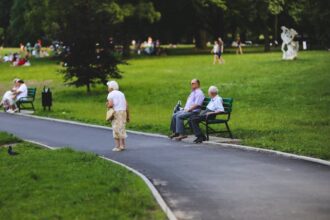


Loneliness and isolation among older Americans have reverted mainly to pre-pandemic levels, indicating that over a third of individuals aged 50 to 80 still frequently experience these feelings, according to a recent national study. While the return to previous rates might initially seem optimistic, the fact remains that a significant portion of the elderly population continues to deal with feelings of loneliness and isolation. This issue is particularly pronounced among older adults facing substantial physical or mental health challenges, who report much higher levels of loneliness and isolation compared to their healthier counterparts.
The findings, which provide a deeper understanding of this issue, stem from six years of data collected by the National Poll on Healthy Aging. The research, led by the University of Michigan Institute for Healthcare Policy and Innovation and published in JAMA, highlights ongoing concerns. The poll, which began in 2018 and included the most recent data from earlier this year, surveys older adults across the United States about their experiences of loneliness—defined as the subjective feeling of being alone—and social isolation.
Recent data from 2024 show that 33% of older adults reported feeling lonely at least occasionally over the past year, mirroring the 34% reported in 2018. In contrast, loneliness peaked at 42% in the intervening years. Similarly, 29% of older adults reported feelings of social isolation in 2024, slightly higher than the 27% seen in 2018. The early stages of the COVID-19 pandemic saw this figure rise dramatically to 56%, though it has steadily decreased each year since.
Dr. Preeti Malani, the study’s lead author and a professor at the University of Michigan Medical School, notes that while returning to pre-pandemic levels may seem like progress, the baseline itself was problematic, particularly for specific groups of older adults who continue to suffer from very high rates of loneliness and social isolation. Dr Malani, who also served as a senior advisor to the poll, underscores the increased recognition of loneliness and isolation’s impact on health, especially as people age.
The study identifies groups with notably high rates of loneliness in 2024, including those who rate their mental health as fair or poor at 75%, an increase from 74% in 2018. Those rating their physical health as fair or poor also increased from 50% to 53%. Notably, those not working or receiving disability income (excluding retirees) saw a rise in loneliness from 38% to 52%. Similarly, high rates of social isolation were reported by the same groups, with those in poor mental health at 77%, up slightly from 79%, and those in poor physical health at 52%, up from 43%.
Jeffrey Kullgren, M.D., M.P.H., M.S., the poll’s director and an associate professor of internal medicine at the University of Michigan, emphasizes that clinicians should view loneliness and isolation as significant factors in the lives of their patients, especially those with serious health issues. Dr Kullgren advocates for screening for these conditions and connecting patients with community resources such as senior centres, Veterans’ groups, and volunteering opportunities. This approach addresses immediate social needs and contributes to the broader goal of enhancing the quality of life for older adults facing these challenges.
More information: Preeti N. Malani et al, Loneliness and Social Isolation Among US Older Adults, JAMA. DOI: 10.1001/jama.2024.23213
Journal information: JAMA Provided by Michigan Medicine – University of Michigan