Thursday, 2 Jul 2026
  • My Feed
  • My Saves
  • History
  • Blog
Living Well Study
  • Blog
  • Ageing Well
  • Brain Health
  • Healthy Diets
  • Physical Wellness
  • Wellness
  • 🔥
  • Wellness
  • older adults
  • Living Well
  • Brain Health
  • dementia
  • public health
  • Ageing Well
  • alzheimer disease
  • physical exercise
  • mental health
Font ResizerAa
Living Well StudyLiving Well Study
  • My Saves
  • My Feed
  • History
Search
  • Pages
    • Home
    • Search Page
  • Personalized
    • Blog
    • My Feed
    • My Saves
    • History
  • Categories
    • Ageing Well
    • Brain Health
    • Healthy Diets
    • Mental Wellness
    • Physical Wellness
    • Wellness
Have an existing account? Sign In
Follow US
© 2022 Foxiz News Network. Ruby Design Company. All Rights Reserved.
Living Well Study > Blog > Wellness > Study at the University of Cincinnati Utilises Health Metrics to Forecast Kidney Function Recovery
Wellness

Study at the University of Cincinnati Utilises Health Metrics to Forecast Kidney Function Recovery

support
Share
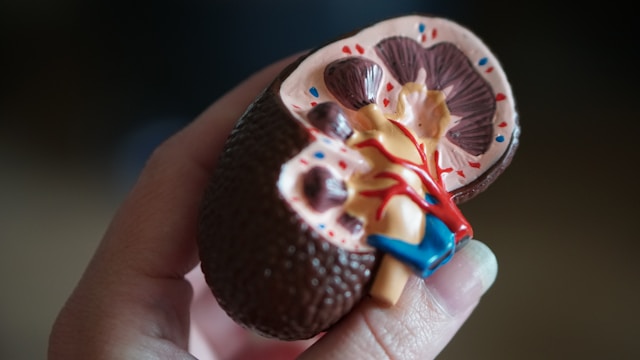
Photo by Robina Weermeijer on Unsplash.
SHARE

Researchers at the University of Cincinnati College of Medicine have pioneered a groundbreaking predictive model. Using key health indicators, this model forecasts a recovery in patients experiencing kidney failure due to acute kidney injury (AKI). AKI, a significant contributor to end-stage kidney disease (ESKD), ranges from mild kidney function loss to complete failure. Approximately one-third of AKI patients recover kidney function.

Published in the Clinical Kidney Journal, the study analysed health outcomes from 22,922 patients in the U.S. Renal Data System (2005-2014) to predict kidney recovery within 90 days and 12 months after dialysis initiation for AKI-related kidney failure. Lead author Dr Silvi Shah, from UC’s Division of Nephrology, highlighted that patient factors like age, race, body mass index, and medical history (including conditions like heart failure, cancer, and functional status) were crucial in developing their logistic regression model.

Dr. Shah noted that certain factors, such as a history of heart failure, lower body mass index, amputation, and poor functional status, significantly correlated with lower chances of kidney recovery. The study found that 24% and 34% of patients recovered kidney function within 90 days and 12 months, respectively.

The scoring model, a practical tool, aims to assist clinical staff in dialysis units. It quickly assesses patient recovery prospects based on readily available medical history data. According to Dr Charuhas Thakar, a senior author and former division chief of nephrology at the University of Cincinnati, the model categorises patients into high, medium, or low recovery likelihood categories. This categorisation guides personalised treatment plans and resource allocation, empowering healthcare providers with a more targeted approach.

Dr. Thakar emphasised the model’s potential to significantly improve care for AKI patients. It ensures those likely to recover receive focused monitoring while enabling long-term planning, including transplantation, for those less likely to regain kidney function. This potential for improved patient outcomes is a beacon of hope in the field of nephrology.

Dr. Shah underscored the model’s role in risk prediction and patient counselling, noting that individuals with higher scores had a 57% chance of kidney recovery within 90 days. The study, leveraging the extensive U.S. Renal Data System dataset, provided inclusive insights across demographics, enhancing its applicability and individualised patient care strategies.

The research enhances clinical decision-making in dialysis settings, offering healthcare providers and patients valuable insights into recovery expectations and tailored treatment approaches based on predictive risk scores.

More information: Silvi Shah et al, A clinical score to predict recovery in end-stage kidney disease due to acute kidney injury, Clinical Kidney Journal. DOI: 10.1093/ckj/sfae085

Journal information: Clinical Kidney Journal Provided by University of Cincinnati

TAGGED:kidney disease
Share This Article
Email Copy Link Print
Previous Article Treatment Responsiveness and Prolonged Survival in Older Adults with Aggressive Blood Cancer
Next Article Early Management of Blood Pressure in Acute Stroke: Balancing Benefits and Risks
Leave a Comment

Leave a Reply Cancel reply

Your email address will not be published. Required fields are marked *

Recent Posts

  • The Key to a Fulfilling Retirement: Staying Social
  • Adopting a Healthy Lifestyle Linked to Slower Biological Ageing in Older Men
  • Innovative Wound Treatment Could Improve Healing and Recovery
  • Bringing Toxoplasmosis Into Focus: A Global Call for Recognition
  • Unravelling the Link Between Brain Iron Accumulation and Neurodegeneration

Tags

adolescents adverse effects ageing populations aging populations air pollution alzheimer disease amyloids anxiety artificial intelligence atopic dermatitis behavioral psychology biomarkers blood pressure body mass index brain cancer cancer research cardiology cardiovascular disease cardiovascular disorders caregivers children climate change effects clinical research cognition cognitive development cognitive disorders cognitive function cognitive neuroscience cohort studies COVID-19 dementia depression diabetes diets discovery research disease control disease intervention disease prevention diseases and disorders environmental health epidemiology foods food science gender studies geriatrics gerontology gut microbiota health and medicine health care health care costs health care delivery heart disease heart failure home care human brain human health hypertension inflammation insomnia life expectancy life sciences longitudinal studies memory disorders menopause mental health metabolic disorders metabolism mortality rates neurodegenerative diseases neurological disorders neurology neuroscience nursing homes nutrients nutrition obesity older adults parkinsons disease physical exercise population studies preventive medicine psychiatric disorders psychological science psychological stress public health research impact risk assessment risk factors risk reduction skin sleep sleep apnea sleep disorders social interaction social research socioeconomics tobacco type 2 diabetes weight loss
July 2026
S M T W T F S
 1234
567891011
12131415161718
19202122232425
262728293031  
« Jun    

This website is for information purpose only and is in no way intended to replace the advice, professional medical care, diagnosis or treatment of a doctor, therapist, dietician or nutritionist.

About | Contact | Cookie Policy | Digital Millennium Copyright Act Notice | Disclaimer | Privacy Policy | Terms of Service

You Might Also Like

Wellness

Snack Size Influences Eating Behaviour and Determines Consumption Levels

By support
Wellness

New Concordia Study Finds Music Inspires Movement, Even When Unliked

By support
Wellness

AI-Powered Portable Thermal Imaging for Breast Cancer Pre-Screening

By support
Wellness

New Research Indicates Viewing Natural Landscapes May Alleviate Pain

By support
Living Well Study
Categories
  • Ageing Well
  • Brain Health
  • Healthy Diets
  • Mental Wellness
  • Physical Wellness
  • Wellness
LivingWellStudy
  • About
  • Contact
  • Cookie Policy
  • Digital Millennium Copyright Act Notice
  • Disclaimer
  • Privacy Policy
  • Terms of Service
Welcome Back!

Sign in to your account

Username or Email Address
Password

Lost your password?