Monthly Archives: July 2024

Researchers Prepare Pancakes, Brussels Sprouts, and Stir Fry to Identify an Indoor Oxidant for the First Time

Singlet oxygen is a type of oxidant, a group of chemical compounds that have dual effects on health;. At the same time, beneficial forms like stratospheric ozone exist; others can harm lung health and contribute to developing diseases such as cancer, diabetes, and heart disease. Cooking certain foods releases brown carbon, molecules that have the potential to form oxidants when they interact with light. The exposure of chefs to cooking emissions, historically considered less harmful due to the low light levels indoors, has been linked with an increased risk of chronic diseases.

Contrary to past beliefs that indoor environments lack enough light to facilitate much reactive chemistry, the unexpected findings of the University of British Columbia researchers suggest otherwise. They posited that cooking in a well-lit area might enable the detection of singlet oxygen indoors, an environment where it had previously gone unnoticed. This revelation challenges previous assumptions.

To test their hypothesis, the team conducted experiments involving the preparation of three meals—pancakes, Brussels sprouts, and vegetable stir fry—representing different daily meals. They sampled the air during these cooking processes and exposed it to three different types of light: UV, natural sunlight, and fluorescent light. Their findings showed that singlet oxygen was present at similar concentrations across all three dishes, with the highest levels detected under natural sunlight, indicating that kitchens with natural light are more likely to experience higher concentrations of this oxidant.

The COVID-19 pandemic has underscored the importance of indoor air quality, drawing greater attention to the potential hazards of indoor air pollutants. In response to their findings, the researchers recommend that ventilation and air filtration systems be implemented in kitchens to help reduce the risk of aerosol exposure during cooking.

Looking ahead, the research team’s plans to delve deeper into how singlet oxygen affects human health and the extent to which it is inhaled during cooking activities are of utmost importance. Their aim to determine whether this oxidant could play a significant role in the onset of cooking-related diseases is a crucial step towards understanding and mitigating health risks associated with indoor cooking emissions, offering hope for future advancements in this field.

More information: Nadine Borduas-Dedekind et al, Singlet oxygen is produced from brown carbon-containing cooking organic aerosols (BrCOA) under indoor lighting, Environmental Science: Atmospheres. DOI: 10.1039/D3EA00167A

Journal information: Environmental Science: Atmospheres Provided by The University of British Columbia


Snack Size Influences Eating Behaviour and Determines Consumption Levels

According to a recent study from Penn State, individual snack pieces’ dimensions significantly impact consumption speed and quantity. With snacks accounting for nearly a quarter of daily calorie intake in the United States, understanding these dynamics could be crucial in managing dietary habits, particularly in calorie and sodium intake.

The research, conducted by a team of food scientists, delved into how different sizes of pretzels affected various aspects of eating behaviour, including the rate of consumption, bite-size, duration of snacking, and overall intake. The findings revealed a trend where larger pretzels were eaten more quickly and in bigger bites. Conversely, more miniature pretzels were consumed slowly and in smaller bites, reducing total intake. However, despite consuming fewer pretzels, the sodium intake was higher with the smaller sizes. This study is set to be featured in the June edition of the journal Appetite and is currently accessible online.

The study involved seventy-five adults participating in three snacking sessions at the Penn State Sensory Evaluation Center. Each session provided an oversized snack portion equating to approximately 2.5 servings of one of three sizes of pretzels: small, medium, or large. Each session was video recorded to gather data on the eating rate and bite-size, allowing the researchers to note the duration and number of bites each participant took. Additionally, total consumption was measured in terms of both weight and calories.

The results showed that when the same amount of food was provided, the total amount consumed varied depending on the size of the pretzel pieces. Participants ate 31% and 22% more of the giant pretzels than the small and medium-sized ones. This indicates that the size of the pretzels not only influenced the rate of eating and the size of the bites but also had a substantial impact on overall intake.

The researchers concluded that the observed eating behaviours driven by the different pretzel sizes were the primary factors influencing total intake rather than the size of the pretzel alone. More enormous pretzels encouraged quicker eating and larger bites. John Hayes, professor of food science and director of the Penn State Sensory Evaluation Center and the study’s corresponding author, explained that the structure of food—its texture, size, and shape—could be strategically utilized to modify eating behaviour and regulate food intake. He highlighted the particular relevance of unit size in snack foods and expressed interest in how the physical properties of foods could be optimized to reduce consumption without diminishing enjoyment.

Madeline Harper, a graduate student in food science and the study’s lead author, pointed out a crucial but previously overlooked connection between pretzel size and sodium intake. While lower in total weight consumed, more miniature pretzels have a greater surface area relative to their weight, potentially leading to higher sodium intake due to more salt on their surface. Harper suggested that choosing more miniature pretzels could benefit those monitoring their calorie intake or seeking to reduce snack consumption. However, larger pretzels might be preferable for individuals concerned about hypertension or sodium levels as they result in lower sodium consumption despite a higher intake of pretzels by weight. This nuanced understanding of snack size effects offers valuable insights for dietary management and health-focused snacking choices.

More information: Madeline M. Harper et al, Unit size influences ad libitum intake in a snacking context via eating rate, Appetite. DOI: 10.1016/j.appet.2024.107300

Journal information: Appetite Provided by Penn State

Residing at Elevated Elevations in India Associated with Higher Childhood Stunting Risk

Children residing in rural areas appear particularly vulnerable to stunting, leading researchers to recommend prioritising nutritional programmes in the hilly and mountainous regions of the country. Despite numerous initiatives aimed at combating malnutrition, childhood stunting remains a significant public health concern in India, affecting more than a third of children under five years old. While studies from other countries have identified a correlation between high altitudes and increased stunting, whether this association holds in India, where a substantial portion of the population lives above 2500 metres, is still being determined. To investigate this potential link further, researchers utilised data from the 2015–16 National Family Health Survey (NFHS-4), a nationally representative survey of Indian households, including 167,555 children under five from various regions. The majority of these children (98%; 164,874) lived below 1000 metres above sea level; 1.4% (2,346) resided between 1000 and 1999 metres; and a smaller fraction (0.2%; 335) lived at or above 2000 metres. Notably, seven out of ten children lived in rural settings.

Stunting was found to be 36% overall, more prevalent among children aged 18–59 months (41%) than those younger than 18 months (27%). A higher incidence of stunting was observed in children who were third-born or later (44%) compared to firstborns (30%). Additionally, children who were notably small at birth exhibited even higher rates of stunting (45%). The education level of mothers played a significant role, as the prevalence of stunting decreased with increasing educational attainment. Children whose mothers had no schooling showed more than double the prevalence of stunting compared to those whose mothers had higher education (48% vs 21%).

Other protected factors included antenatal care, such as clinic visits, tetanus vaccinations, iron and folic acid supplementation, proximity to health facilities, and not being part of a specific caste or indigenous tribe. This observational study captures a snapshot in time and does not establish causality between altitude and stunting, as acknowledged by the researchers. However, they propose plausible explanations for their findings. For example, chronic exposure to high altitudes can diminish appetite, impair oxygen delivery to tissues, and reduce nutrient absorption.

Additionally, food insecurity is often more severe in higher elevations where agricultural yields are lower, and the climate is more severe. Similarly, delivering healthcare services, including implementing nutritional programmes and healthcare access, poses more significant challenges. The researchers conclude that a comprehensive approach involving various health and nutrition sectors is essential to tackle stunting, especially among children in vulnerable areas.

This approach should integrate reproductive health initiatives, women’s nutrition programmes, infant and young child feeding interventions, and food security measures. Ongoing research, monitoring, and evaluation are crucial to developing evidence-based policies and targeted actions that ensure every child in India has the chance for healthy growth and development. Professor Sumantra Ray, Executive Director of the NNEdPro Global Institute for Food, Nutrition and Health, which co-owns BMJ Nutrition Prevention & Health with BMJ, remarks on the need for further study.

In recent decades, public health interventions in India have effectively addressed some nutritional issues related to high altitudes, such as iodine deficiency. However, this study underscores the complexities of malnutrition in mountainous regions, where a deeper understanding of the interplay between genetics, environment, lifestyle, and socio-economic factors is needed to address malnutrition among children under five fully. The research highlights the urgent need for tailored interventions that consider the unique challenges faced by these communities, ensuring that every child has the opportunity for a healthy start in life.

More information: Santosh Bhagwanrao Phad et al, Geographical altitude and stunting among children aged under 5 years in India, BMJ Nutrition Prevention & Health. DOI: 10.1136/bmjnph-2024-000895

Journal information: BMJ Nutrition Prevention & Health Provided by BMJ Group

Ketogenic Diet Halts Early Memory Loss in Mice

A study from the University of California, Davis, highlights that a ketogenic diet significantly delays the onset of Alzheimer’ s-related memory loss in mice. This early stage of memory decline parallels the mild cognitive impairment seen in humans, which often leads to full-blown Alzheimer’s disease. These findings have been published in Communications Biology, a journal of the Nature Group.

The ketogenic diet, characterized by low carbohydrate, high fat, and moderate protein intake, shifts the body’s metabolism from glucose to fat-burning and ketone production for energy. Prior research by UC Davis revealed that mice on this diet lived 13% longer, indicating potential longevity benefits linked to dietary changes.

Building on earlier work, this study identified that the molecule beta-hydroxybutyrate (BHB) plays a crucial role in preventing early memory decline, with its levels increasing almost seven-fold on a ketogenic diet. Gino Cortopassi, a biochemist and pharmacologist at UC Davis School of Veterinary Medicine, noted, “The data support the idea that the ketogenic diet in general, and BHB specifically, delays mild cognitive impairment and it may delay full blown Alzheimer’s disease, though it clearly doesn’t eliminate the disease entirely.”

In their experiments, scientists administered BHB to mice in amounts equivalent to those experienced after seven months on a ketogenic diet. This led to significant improvements in the function of synapses—the vital structures that connect nerve cells in the brain. Better synaptic connections enhance memory function, which can alleviate the issues related to mild cognitive impairment, as pointed out by Izumi Maezawa, professor of pathology at the UC Davis School of Medicine.

Cortopassi also mentioned that BHB is available as a supplement, potentially supporting memory in mice, although its effects on human memory have yet to be demonstrated. The study also noted significant increases in biochemical pathways related to memory formation in mice following the ketogenic diet, with females showing higher BHB levels than males.

These observations suggest that if such results were to translate to humans, they could be especially significant for women, particularly those with the ApoE4 gene variant, who are at a higher risk for Alzheimer’s. This aspect of the research highlights the potential for gender-specific therapeutic strategies in combating cognitive decline.

More information: Jacopo Di Lucente et al, Ketogenic diet and BHB rescue the fall of long-term potentiation in an Alzheimer’s mouse model and stimulates synaptic plasticity pathway enzymes, Communications Biology. DOI: 10.1038/s42003-024-05860-z

Journal information: Communications Biology Provided by University of California, Davis

AI Could Soon Enable Early Detection of Cancer

A recent publication in Biology Methods & Protocols by Oxford University Press presents a promising future where artificial intelligence (AI) may assist physicians in detecting and diagnosing cancer, potentially leading to earlier interventions. Cancer presents a significant challenge annually, with over 19 million new cases and 10 million deaths. The evolutionary complexity of cancer often renders late-stage tumours challenging to manage, but the potential of AI offers a ray of hope.

DNA stores genetic data using sequences of four bases—A, T, G, and C. External environmental factors can lead to alterations in these bases through a process known as “DNA methylation,” where a methyl group is added to the DNA. This modification occurs extensively across the millions of DNA bases in each cell. Notably, early stages of cancer are marked by distinct changes in these methylation patterns, which could be crucial for early cancer detection. The task is to determine the methylation statuses across cancerous DNA and compare these to normal tissue, a daunting task likened to finding a needle in a haystack.

In an exciting development, Cambridge University and Imperial College London researchers have developed an AI model that employs machine learning and deep learning techniques to scrutinize DNA methylation patterns. This model can distinguish between 13 different types of cancer—including breast, liver, lung, and prostate cancer—and non-cancerous tissue with an impressive 98.2% accuracy. However, this model currently analyzes tissue samples rather than DNA fragments in blood, indicating a need for further training on a broader array of biopsy samples to prepare them for clinical application.

This study’s use of an explainable and interpretable AI core is particularly significant. It allows for a deeper understanding of the model’s decision-making processes, enhancing knowledge of the biological mechanisms involved in cancer. This detailed examination of the model’s functioning could significantly contribute to cancer research.

Detecting these aberrant methylation patterns, potentially from biopsies, could enable healthcare providers to identify cancer at its inception. This improves patient prognosis as most cancers are more manageable or curable when caught early.

The lead author of the study, Shamith Samarajiwa, underscored the potential of computational methods to revolutionize early cancer detection and screening. With continued improvement and rigorous clinical testing, AI models could soon become invaluable tools in oncology, significantly enhancing patient outcomes through early detection and providing reassurance about the future of cancer treatment.

More information: Izzy Newsham et al, Early detection and diagnosis of cancer with interpretable machine learning to uncover cancer-specific DNA methylation patterns, Biology Methods and Protocols. DOI: 10.1093/biomethods/bpae028

Journal information: Biology Methods and Protocols Provided by Oxford University Press USA

Avocados are ‘harmful’ and vegans are irrational: Rationalizing Excessive Meat Consumption

Avocados are labelled ‘bad’, and vegans dismissed as absurd, and some argue that their body requires meat—it’s not them but their partners who resist cutting back on meat consumption. According to a study by the University of Copenhagen, these are some of the justifications put forward when individuals feel compelled to rationalize their inability to reduce their meat intake for environmental reasons. During focus group discussions with Danish consumers, researchers documented the variety of arguments that emerged as participants discussed their meat consumption habits. The findings, led by Thomas A. M. Skelly, a PhD fellow at the Department of Food and Resource Economics, were published in the Journal of Consumer Culture, highlighting the social dynamics when discussing dietary choices.

Participants in all six focus groups agreed that reducing meat consumption is critical for a climate-friendly diet, yet personal consumption habits triggered defensive justifications. For instance, some participants criticized avocados for being harmful to the environment and condemned vegans for being too extreme, using these points as socially acceptable arguments within the groups to help maintain a self-image of moral responsibility, explains Kia Ditlevsen, another study author. These discussions often shifted from meat to more agreeable topics like food waste and plastic use, as these topics are seen as culturally neutral and involve less personal cost.

The study also highlighted how group dynamics can reinforce particular views; for example, demeaning comments about ‘morally superior’ vegans were used to justify ongoing meat consumption. When a participant expressed no intention of becoming vegan, laughter from others reinforced the notion that veganism was an absurd solution, as noted by Skelly. This behaviour illustrates how social settings influence and affirm dietary practices, even when contradicting environmental knowledge.

Furthermore, participants portrayed vegans as extremists and suggested hypocrisy due to their consumption of avocados and highly processed ‘vegan foods,’ which were labelled as damaging to the climate. This mutual reassurance among the group members helped them maintain the belief that their dietary practices were not worse than those who had eliminated meat, despite evidence to the contrary regarding the climate impact of red meat compared to avocados and vegan products.

The researchers also observed a tendency to use actual or simulated ignorance as a defence. Skelly points out that while all focus groups recognized that reducing meat consumption is one of the most effective actions for climate mitigation, this knowledge was often problematized, making it socially acceptable to question it. This indicates a selective deployment of expertise, where acknowledging the full impact of meat consumption is avoided in favour of less disruptive topics.

The findings underscore the need for clear communication from public authorities and politicians regarding meat consumption. Ditlevsen remarks that contradictory messages from the government, such as encouraging the continued consumption of traditional dishes like spaghetti and meat sauce while recommending a reduction in meat intake, need clarification among consumers. To overcome the socially acceptable excuses and move towards sustainable dietary choices, unequivocal messaging from both national and European authorities is essential. This message should support reducing meat consumption and aligning public behaviour with environmental goals.

More information: Thomas A.M. Skelly et al, Bad avocados, culinary standards, and knowable knowledge. Culturally appropriate rejections of meat reduction, Journal of Consumer Culture. DOI: 10.1177/14695405241243199

Journal information: Journal of Consumer Culture Provided by University of Copenhagen – Faculty of Science

Elements of a Keto Diet Combined with Immunotherapy Could Diminish Prostate Cancer

Researchers from the University of Notre Dame have discovered that combining a pre-ketone supplement, a vital component of the high-fat, low-carbohydrate ketogenic diet, with a specific cancer therapy significantly enhances the treatment of prostate cancer. This finding was recently detailed in an online Cancer Research journal publication.

The study led by Xin Lu, the John M. and Mary Jo Boler Collegiate Associate Professor in the Department of Biological Sciences, alongside collaborators, addressed a longstanding challenge in oncology: prostate cancer’s resistance to immune checkpoint blockade (ICB) therapy. This type of immunotherapy, which prevents specific proteins from binding together, typically enables T cells, our body’s immune warriors, to attack cancer cells. However, this has mainly proven ineffective against prostate cancer, which remains a prevalent cancer among American men.

Sean Murphy, the study’s lead author and a 2024 alumnus pursuing his doctorate in Lu’s lab, was inspired by his adherence to a keto diet and hypothesised that reducing carbohydrate intake could inhibit cancer growth. His rationale was based on the premise that cancer cells predominantly utilise sugar for growth. In his experimental design, he used mouse models, assigning them to various treatment groups: some received immunotherapy alone, others the ketogenic diet alone, or just the pre-ketone supplement, while another set was treated with a combination of the ketogenic diet and immunotherapy, and yet another group received both the supplement and the immunotherapy.

The results were telling. Immunotherapy by itself had minimal impact on the tumours, mirroring the typical response seen in human prostate cancer patients. However, combining the ketogenic diet with immunotherapy and the pre-ketone supplement with immunotherapy substantially reduced the tumours and extended the mice’s lifespan. Notably, the pre-ketone supplement paired with immunotherapy showed the most promising results, leading to the complete elimination of tumours in 23% of the cases and significant tumour reduction in others.

This study suggests that ketone bodies produced by the liver during a ketogenic diet may prevent prostate cancer cells from resisting immunotherapy, potentially paving the way for future clinical trials to explore how ketogenic diets or ketone supplements could improve cancer treatments. According to Murphy and Lu, the study’s success hinged not just on the reduction of carbohydrates but primarily on the presence of the ketone body, which disrupts the metabolic processes of cancer cells, thus allowing the T cells to destroy them effectively.

Moreover, the research unveiled intriguing molecular insights. Using single-cell RNA sequencing to analyse gene expression within individual tumour cells, Lu and his team confirmed their findings. They observed that the combination of the supplement and immunotherapy restructured the entire immune profile of the tumours, significantly increasing T cell infiltration and activity within the tumour microenvironment.

The therapy also decreased neutrophils within the tumour. Neutrophils can usually distort immune responses and facilitate tumour growth. This reduction hints at broader implications for investigating the potential benefits of ketogenic diets and ketone supplements in treating a range of diseases, including inflammatory bowel disease and arthritis.

Lu highlighted the significance of understanding the underlying mechanisms supported by genetic models and observed effects in the tumours, which explains why this combined approach is practical. This breakthrough not only sheds light on a possible new therapeutic pathway for prostate cancer but also opens avenues for broader applications of diet-based interventions in oncology and other fields.

More information: Sean Murphy et al, Ketogenic Diet Alters the Epigenetic and Immune Landscape of Prostate Cancer to Overcome Resistance to Immune Checkpoint Blockade Therapy, Cancer Research. DOI: 10.1158/0008-5472.CAN-23-2742

Journal information: Cancer Research Provided by University of Notre Dame

Time-restricted Feeding Combined with High-Intensity Exercise Could Enhance Health Benefits

A study published on May 1, 2024, in the open-access journal PLOS ONE by Ranya Ameur and Rami Maaloul from the University of Sfax, Tunisia, along with their colleagues, suggests that integrating time-restricted eating with high-intensity functional training could be more effective in improving body composition and cardiometabolic health than either strategy alone.

Diet and exercise are universally recognized methods for weight loss and enhancing cardiometabolic health. The challenge often lies in identifying a sustainable combination of lifestyle adjustments. Previous research has highlighted the potential benefits of time-restricted eating, which involves limiting eating times but not the types of food consumed, and high-intensity functional training, which blends rigorous aerobic and resistance activities. These approaches show health benefits and are sustainable long-term options for individuals.

In this recent investigation, the researchers examined the effects of combining time-restricted eating and high-intensity functional training on body composition and cardiometabolic health indicators such as cholesterol, blood glucose, and lipid levels. The study involved 64 obese women, divided into three groups: one practising time-restricted eating, another engaging in high-intensity functional training, and a third combining both interventions. The time-restricted eating group consumed food only between 8:00 am and 4:00 pm, whereas those in the functional training group exercised under the guidance of an instructor three times a week.

After 12 weeks, significant weight loss and reductions in waist and hip measurements were observed across all groups. Additionally, all groups exhibited positive changes in lipid and glucose levels. Notably, improvements in fat-free mass (comprising lean and skeletal muscle mass) and blood pressure were significant in the combined diet and exercise groups and the exercise-only groups. Still, these parameters remained unchanged in the group that followed only the diet.

The combined diet and exercise group experienced the most substantial improvements in body composition and cardiometabolic health compared to the groups that followed a single intervention. This inspiring result underscores the potential of the combined strategy, offering hope for those seeking to make significant improvements to their health.

The authors conclude that the strategy of merging time-restricted eating with high-intensity functional training holds promise for enhancing body composition and cardiometabolic health. This marks it as a potentially viable and effective approach for health improvement, offering optimism for those seeking to make positive changes to their health.

More information: Ranya Ameur et al, Unlocking the power of synergy: High-intensity functional training and early time-restricted eating for transformative changes in body composition and cardiometabolic health in inactive women with obesity, PLoS ONE. DOI: 10.1371/journal.pone.0301369

Journal information: PLoS ONE Provided by PLOS

American Eating Habits Became Temporarily Healthier and More Varied During the COVID-19 Pandemic

A new study led by researchers from Penn State suggests that American diets may have temporarily improved in healthiness and variety following the onset of the COVID-19 pandemic. Published in the journal PLOS ONE, the research indicates a significant change in dietary patterns as states implemented various pandemic-response measures, including school and restaurant closures. These measures coincided with an improvement in diet quality by as much as 8.5% and an increase in food diversity by up to 2.6%.

Edward Jaenicke, a professor of agricultural economics at Penn State’s College of Agricultural Sciences and co-author of the study, commented that the findings offer a glimpse into the potential lasting benefits of the pandemic on the American diet. “With the closure of dine-in restaurants, we observed a shift towards a more diverse and somewhat healthier diet,” Jaenicke noted. He suggested that the pandemic provides a case study showing that reducing restaurant meals could have lasting benefits on the diversity and healthiness of the American diet, offering a hopeful perspective on the current situation.

The backdrop of this study is particularly stark against pre-pandemic dietary trends in the U.S., which were largely unhealthy according to the Dietary Guidelines for Americans. Despite slight improvements over the years, the average diet in the U.S. remained below recommended standards. The research team was initially focused on how food consumption might change following global catastrophes, such as asteroid impacts or nuclear warfare. However, the unexpected arrival of the COVID-19 pandemic provided a unique and real-time opportunity to examine changes in food consumption patterns during a significant global crisis, sparking intrigue and engagement among the researchers.

The study utilised data from the NielsenIQ Homescan Consumer Panel, which records detailed grocery purchasing data from 41,570 representative U.S. households. This dataset provided insights into the quantity and cost of products bought by these households both before and after the pandemic-triggered closures. By comparing food purchases from the pandemic period to the same period a year earlier within the same households, the researchers could effectively isolate the impact of the pandemic from individual purchasing habits.

The findings showed modest but notable increases in food diversity and significant improvements in diet quality following pandemic-related closures from March to June 2020, depending on the state. These improvements were observed across various demographics, though the change was minor in households with young children, lower incomes, or without access to a car.

Jaenicke pointed out that the closure of restaurants and schools and the subsequent disruptions in food availability at supermarkets led to these dietary shifts. Since Americans typically spend about half their food budget on meals outside the home, the pandemic dramatically altered the food landscape. Several factors might explain the observed dietary changes, including the reduction in restaurant dining often associated with less healthy options, a heightened health consciousness during the pandemic, disruptions in food supply chains prompting consumers to try new products, and changes in the amount of time available to families for cooking and meal preparation. This comprehensive understanding of the factors at play enlightens us about the complexity of dietary changes during a crisis.

Looking ahead, Jaenicke suggested that further research could explore how various types of disasters influence food purchasing and consumption habits, potentially providing valuable insights into managing food systems in times of crisis.

More information: Daniel P. Simandjuntak et al, Pandemic-induced changes in household-level food diversity and diet quality in the U.S., PLoS ONE. DOI: 10.1371/journal.pone.0300839

Journal information: PLoS ONE Provided by Penn State

Study at Aston University Reveals Social Media Can Boost Fruit and Vegetable Consumption Among Youth

Researchers at Aston University have discovered that engaging with health-focused social media accounts for just two weeks leads to increased fruit and vegetable consumption and reduced intake of unhealthy snacks.

Earlier studies have indicated positive social norms regarding fruit and vegetable intake boost individual consumption. The team at Aston University aimed to explore if a similar positive portrayal of healthy foods on social media platforms would yield comparable results. The study was conducted under the leadership of Dr Lily Hawkins as part of her PhD, with guidance from Dr Jason Thomas and Professor Claire Farrow from the School of Psychology.

The study involved 52 social media users with an average age of 22. These participants were divided into two groups. The first group, the intervention group, was instructed to follow Instagram accounts promoting healthy eating and their regular social media content. The control group was tasked with following accounts related to interior design. Over the two weeks, participants logged their food and drink consumption.

The findings showed that those in the intervention group consumed, on average, an additional 1.4 portions of fruits and vegetables daily and 0.8 fewer items of energy-dense foods, like sugary snacks and drinks. This improvement is significant compared to results from previous educational and social media-based initiatives to enhance dietary habits.

Dr Thomas and his team attribute the change in dietary behaviour to a sense of affiliation with the influencers on the healthy eating accounts, noting that the effect was more substantial among those who felt a connection with other Instagram users.

Considering that the 2018 NHS Health Survey for England revealed only 28% of UK adults meet the recommended five portions of fruit and vegetables per day, and low consumption is linked to significant health issues such as heart disease, cancer, and stroke, finding effective methods to increase fruit and vegetable intake is crucial. Previous successful interventions include posters in public places like canteens and bars to promote healthy eating and discourage excessive drinking. With the widespread use of social media, the researchers are optimistic about its potential to promote healthy eating norms, especially among the younger demographic.

Dr Thomas commented on the implications of the findings, stating, “Although this is just a pilot study, the results are quite promising, suggesting that even small changes to our social media interactions could lead to significant dietary improvements at no cost. Our future research will focus on whether these interventions alter perceptions of others’ eating habits and if these changes are maintained over time.”

Dr Hawkins, now based at the University of Exeter, reflected on their findings’ broader impact: “Our earlier research showed that social media norms could subtly influence eating habits, and this pilot study confirms that such influences extend to real-world behaviour. We are eager to see if these results can be replicated in a larger, community-based sample.”

More information: Lily Hawkins et al, Can social media be used to increase fruit and vegetable consumption? A pilot intervention study, Digital Health. DOI: 10.1177/20552076241241262

Journal information: Digital Health Provided by Aston University

Constructing a Framework for Metabolic Health: From Mice to Humans

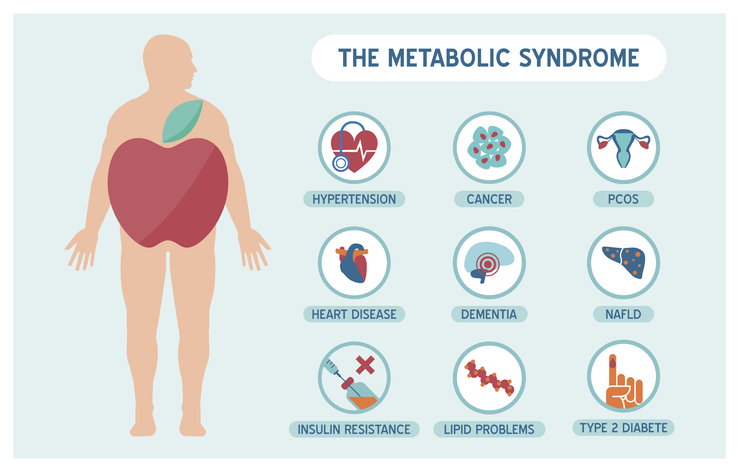
Metabolic syndrome (MetS) is characterized by a collection of risk factors that heighten the likelihood of developing heart disease, type 2 diabetes, and other significant health issues, including elevated blood pressure, high blood sugar levels, excess body fat around the waist, and abnormal cholesterol levels. Despite extensive research, pinpointing the exact genetic factors contributing to MetS and understanding how they interact with environmental influences such as diet and exercise has been challenging due to the complexity of human genetics and lifestyle variability.

To tackle these challenges, Johan Auwerx at EPFL and his team have taken an innovative approach. They have developed a metabolic health score (MHS) using ‘BXD’ mice, a genetically diverse reference population similar to humans. Their research, published in Cell Systems, involved feeding 49 different strains of BXD mice either a standard or a high-fat diet from 8 to 29 weeks of age. By measuring indicators like body fat percentage, fasting blood glucose, triglycerides, total cholesterol, and fasting insulin levels, they formulated an MHS where a higher score indicates better metabolic health.

The team then utilized advanced genetic mapping techniques to identify specific areas in the mouse DNA associated with the MHS. This involved studying liver gene expression and plasma lipid profiles to discover molecular signatures linked to metabolic health. They also examined gene activity in the liver and analyzed blood samples to delve into the molecular workings of metabolism.

Significant findings from the study include identifying two critical genetic regions on chromosomes 7 and 8 that impact metabolic health based on diet. These findings were consistent across various mouse groups, reinforcing the genetic basis of metabolic health. The research also spotlighted two genes, TNKS and MCPH1, associated with metabolic traits in human data from the UK Biobank and other cohorts.

The researchers found optimal metabolic health correlates with effective cholesterol and fatty acid management, reduced activity in specific cellular stress responses, and decreased fat storage processes. Specifically, better metabolic health was linked to lower cholesterol and fatty acid metabolism, reduced mTORC1 signalling—a key regulator of cell growth and metabolism—and diminished responses to unfolded proteins and adipogenesis in the liver.

These insights underscore potential pathways for therapeutic intervention and highlight the crucial role of genetics in metabolic health. The study provides a robust model for studying gene-environment interactions, while the identification of TNKS and MCPH1 as key regulators opens new avenues for understanding and potentially mitigating metabolic diseases. By translating these findings from mice to humans, the research paves the way for personalized approaches to managing and preventing MetS, suggesting a future where targeted interventions can be tailored based on individual genetic profiles and environmental factors.

More information: Xiaoxu Li et al, Systems genetics of metabolic health in the BXD mouse genetic reference population, Cell Systems. DOI: 10.1016/j.cels.2024.05.006

Journal information: Cell Systems Provided by École polytechnique fédérale de Lausanne

Updated Guidelines Released for Peanut Allergy Desensitization Treatment in Patients

Following discussions with children and young individuals with peanut allergies, experts have issued new guidelines for UK National Health Service (NHS) clinicians on the safe and fair implementation of Palforzia® peanut oral immunotherapy. These guidelines, detailed in the journal Clinical & Experimental Allergy, aim to provide comprehensive support to healthcare professionals. In 2022, the National Institute for Health and Care Excellence (NICE) in the UK endorsed the use of Palforzia®, which contains defatted peanut powder as its active component, for the desensitization of children and young people with peanut allergies within the NHS framework.

This latest consensus guidance is designed to assist healthcare providers in administering Palforzia® effectively, including the careful escalation of peanut dosage in patients. Dr Tom Marrs, PhD, from Guy’s and St Thomas’ NHS Foundation Trust and the corresponding author of the guidance, expressed enthusiasm about the advancements in treatment options: “It is significant that we can now provide an actual treatment for peanut allergy, moving beyond mere avoidance and patient education on reaction management. However, a current challenge within the NHS is ensuring that this treatment is accessible equitably to all eligible patients, irrespective of their geographic location or background. This guidance is crucial in outlining the necessities for NHS services to deliver this treatment extensively and champion patient advocacy, thereby establishing best practice models.”

More information: Tom Marrs et al, BSACI guidance for the implementation of Palforzia® peanut oral immunotherapy in the United Kingdom: A Delphi consensus study, Clinical & Experimental Allergy. DOI: 10.1111/cea.14491

Journal information: Clinical & Experimental Allergy Provided by Wiley