Monthly Archives: July 2024

Initial Research Indicates Ketogenic Diet Enhances Treatment of Severe Mental Disorders

For individuals who have severe mental conditions like schizophrenia or bipolar disorder, traditional treatments often involve antipsychotic medications. These drugs are crucial for managing brain chemistry but frequently cause unwanted metabolic side effects such as insulin resistance and obesity. Such adverse effects can be so burdensome that many patients choose to discontinue their medication. In an exciting development, researchers from Stanford Medicine conducted a pilot study demonstrating the potential benefits of a ketogenic diet for these patients. This diet not only helps restore their metabolic health while they continue their medication but also appears to enhance their mental health conditions. The study, published on March 27 in Psychiatry Research, highlights the effectiveness of dietary interventions in managing mental illnesses.

Shebani Sethi, MD, an associate professor of psychiatry and behavioural sciences at Stanford and the study’s first author, shared her optimism about the findings. She pointed out how promising it is that individuals could regain some control over their illnesses through methods beyond the standard treatments. The concept for this study originated when Dr. Sethi, who is board-certified in both obesity and psychiatry, observed a patient with treatment-resistant schizophrenia experiencing a reduction in auditory hallucinations while following a ketogenic diet. This observation prompted her to explore existing medical literature, where she found that while the use of ketogenic diets in treating schizophrenia was sparse and outdated, there was substantial evidence supporting its success in managing epileptic seizures.

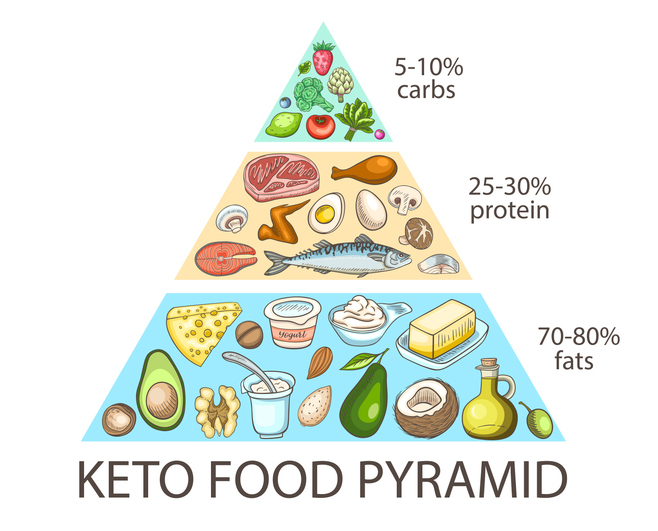
The ketogenic diet’s mechanism, which reduces neuronal excitability in the brain, was seen as potentially beneficial for psychiatric conditions as well. Several years after this initial observation, Dr. Sethi introduced the term “metabolic psychiatry”, establishing a new field that tackles mental health from the perspective of energy conversion. During the four-month pilot trial, Dr. Sethi’s team monitored 21 adult participants diagnosed with schizophrenia or bipolar disorder. These participants were on antipsychotic medications and exhibited metabolic abnormalities such as weight gain or insulin resistance. They were instructed to follow a ketogenic diet, focusing on high fat, moderate protein, and low carbohydrate intake. The diet emphasised whole, non-processed foods, and participants were encouraged not to limit fat intake but to avoid starchy vegetables.

Throughout the trial, adherence to the diet was monitored through weekly measurements of blood ketone levels, a byproduct of fat metabolism. By the end of the study, significant numbers had adhered well to the diet, showing promising metabolic and psychiatric improvements. Before the trial, nearly a third of the participants met the criteria for metabolic syndrome. After four months on the ketogenic diet, none of the participants were classified under this syndrome. They experienced an average weight loss of 10% and reduced waist circumference, blood pressure, body mass index, triglycerides, blood sugar levels, and insulin resistance.

Psychiatrically, the improvements were just as profound. The participants showed a 31% improvement on a psychiatrist’s rating scale of mental illness, with three-quarters of the group exhibiting clinically meaningful improvements. They reported enhanced energy, better sleep quality, improved moods, and greater overall life satisfaction. The researchers believe that psychiatric disorders like schizophrenia and bipolar disorder may have roots in metabolic brain deficits affecting neuron excitability. By improving general metabolic health, the ketogenic diet may also enhance brain metabolism by providing ketones as an alternative brain fuel to glucose.

This pilot study paves the way for more extensive, more comprehensive studies, aiming to understand better the potential therapeutic benefits of dietary interventions in psychiatric care. Dr. Sethi, who also founded and directs the metabolic psychiatry clinic at Stanford Medicine, continues to advocate for metabolic interventions as a means to aid patients struggling with both severe mental illness and metabolic syndromes. She is driven by the desire to offer more practical help and improve the overall well-being of her patients. This research underlines the interconnectedness of physical and mental health, and more tailored treatments that address both aspects can be developed.

More information: Shebani Sethi et al, Ketogenic Diet Intervention on Metabolic and Psychiatric Health in Bipolar and Schizophrenia: A Pilot Trial, Psychiatry Research. DOI: 10.1016/j.psychres.2024.115866

Journal information: Psychiatry Research Provided by Stanford Medicine

Consumption of Peanuts May Enhance Vascular Health in Young, Healthy Individuals

A study published in the journal Antioxidants, led by Rosa M. Lamuela, a professor at the Faculty of Pharmacy and Food Sciences at the University of Barcelona and a member of the Institute for Nutrition and Food Safety Research (INSA-UB) based at the Nutrition and Food Torribera Campus, and the Physiopathology of Obesity and Nutrition Networking Biomedical Research Centre (CIBEROBN), indicates that eating peanuts and peanut butter could benefit vascular health in young, healthy adults.

Peanuts, derived from the legume plant Arachis hypogaea, are considered nuts from a nutritional standpoint and are most commonly consumed globally. They are rich in fatty acids, proteins, fibre, and polyphenols, making them a nutrient-dense snack that supports a healthy lifestyle. This potential of peanuts as a healthy snack is a reason for optimism in nutrition and health.

Unlike many nutritional studies focusing on high-risk populations, particularly older individuals, where dietary changes show more immediate benefits, this study took a unique approach. It included 63 healthy young adults aged between 18 and 33 who incorporated daily peanut products into their diet for six months. Professor Rosa M. Lamuela from the UB Department of Nutrition, Food Science and Gastronomy noted that this approach makes it challenging to detect the health effects of dietary changes in this study group.

This pioneering nutritional intervention documented improvements in vascular markers, specifically those linked to antithrombotic and vasodilatory effects, after regular peanut consumption. “Our findings showed a notable increase in urinary levels of phenolic metabolites in participants who consumed peanuts and peanut butter daily compared to those in the control group, who consumed a cream devoid of fibre and polyphenols,” explains Rosa M. Lamuela.

Moreover, individuals who ate peanuts or peanut butter demonstrated enhanced levels of prostacyclin I2 and a better ratio between thromboxane A2 and prostacyclin I2, eicosanoids, which serve as indicators of vascular health. “It’s interesting to note that certain phenolic metabolites, particularly hydroxycinnamic acids, which saw a significant increase post peanut consumption, also correlated with the enhancements in these vascular markers,” states researcher Isabella Parilli-Moser (INSA-UB-CIBERobn), first author of the paper.

This study reinforces the hypothesis previously supported by scientific literature and earlier studies by the same research group regarding the protective role of dietary polyphenols—essential antioxidants and anti-inflammatory agents—against cardiovascular diseases in adults, alongside their antithrombotic and vasodilatory properties. Additionally, the chronic consumption of nuts and peanuts has been associated with a reduced risk of cardiovascular diseases and diabetes, mainly due to the protective effects of the polyphenols they contain.

While the article underscores the potential health benefits of including peanuts and peanut butter in our diet, the researchers emphasize the need for further studies. These studies are crucial to fully elucidate the mechanisms behind the positive effects of peanut consumption on vascular health. This call for additional research engages the audience and invites them to contribute to the field of nutrition and health.

More information: Isabella Parilli-Moser et al, Urinary Phenolic Metabolites Associated with Peanut Consumption May Have a Beneficial Impact on Vascular Health Biomarkers, Antioxidants. DOI: 10.3390/antiox12030698

Journal information: Antioxidants Provided by University of Barcelona

Effects of a Ketogenic Diet on Healthspan and Memory Enhancement in Elderly Mice

The ketogenic diet is both praised and criticised by many, yet its influence on memory in mice is supported by scientific evidence. While studying the impact of the high-fat, low-carbohydrate diet on memory enhancement in older mice, researchers from the Buck Institute, along with a team from the University of Chile, discovered a novel molecular signalling pathway. This pathway enhances synapse function, shedding light on how the diet supports brain health and combats ageing. The findings, published in the June 5, 2024, issue of Cell Reports Medicine, open new avenues for addressing memory improvements at a molecular level without necessarily adhering to a ketogenic diet or its by-products.

The study’s lead researcher, Christian González-Billault, PhD, a professor at the Universidad de Chile and director of their Geroscience Center for Brain Health and Metabolism, also an adjunct professor at the Buck Institute, highlighted the broad benefits of the ketogenic diet on brain function. He noted that the study provides a precise mechanism of action that could aid in maintaining and enhancing brain function during ageing. John Newman, MD, PhD, collaborating with Dr González-Billault and based at the Buck Institute while also serving as a geriatrician at the University of California, San Francisco, pointed out that their current research builds on earlier findings which demonstrated that the ketogenic diet boosts healthspan and memory in ageing mice. Dr Newman emphasised that this effect appears rapidly and can be initiated in older animals, enhancing brain health as they age, leaving no doubt about the significant and rapid effects of the ketogenic diet on brain health.

Historically, it has been observed that rats with reduced food intake tend to live longer. However, according to Dr Newman, the key to manipulating lifespan lies in reduced consumption and the cellular signals triggered by nutrient availability. These signals often involve pathways associated with ageing, such as those controlling protein turnover and metabolism. Key among these signals are the ketone bodies—acetoacetate (AcAc), β-hydroxybutyrate (BHB), and to a lesser extent, acetone—produced in the liver when glucose levels are low, which can be due to caloric restriction, intense exercise, or a low-carbohydrate diet like the ketogenic diet.

Seven years ago, Newman led a pioneering study which demonstrated that exposing mice to increased levels of ketone bodies throughout their adult life via a ketogenic diet not only helped them live longer but also maintained and possibly enhanced their memory as they aged. The present study, led by González-Billault, aimed to discern which aspects of the ketogenic diet were responsible for these effects and how they affected brain function at a molecular level. The study involved feeding mice of advanced age a diet consisting of 90% calories from fat and 10% from protein, alternated weekly with a control diet to prevent overeating and obesity.

The advantages of the ketogenic diet were confirmed through a series of neurophysiological and behavioural tests that evaluated memory processes in aged mice. These tests indicated significant benefits to the functionality of synapses responsible for memory. Buck professor Birgit Schilling, PhD, who heads the Proteomics and Mass Spectrometry Center, conducted a deeper analysis of the protein composition of these synapses in the hippocampus. The surprising results showed that even a brief exposure to the ketogenic diet led to dramatic changes in synaptic proteins, which became more pronounced over time.

Further tests revealed that the ketogenic diet activates a specific signalling pathway in the synapses—protein kinase A—known to be crucial for synaptic activity. This pathway seemed to be stimulated by BHB, the primary ketone body produced during a ketogenic diet, highlighting its role as an energy source and a crucial signalling molecule. Dr González-Billault believes that while BHB is critical, it is likely not the sole molecule involved, but understanding its role is a significant step towards comprehending the overall impact of the ketogenic diet and ketone bodies on ageing brains.

Looking ahead, Dr. Newman envisions a future where we can replicate the protective effects of the ketogenic diet on memory by directly targeting the protein kinase A signalling pathway. This approach could eliminate the need to adhere to the diet itself, offering a more targeted method of enhancing synaptic function and memory in ageing individuals. This promising direction underscores a profound leap forward in our understanding and capability to influence brain health as we age, instilling a sense of hope and optimism in the field of neuroscience and geriatrics.

More information: Diego Acuña-Catalá et al, Ketogenic diet administration later in life improves memory by modifying the synaptic cortical proteome via the PKA signaling pathway in aging mice, Cell Reports Medicine. DOI: 10.1016/j.xcrm.2024.101593

Journal information: Cell Reports Medicine Provided by Buck Institute for Research on Aging

Timing Matters: Research Reveals Connection Between Frequency of Bowel Movements and General Health

Recent findings by the Institute for Systems Biology (ISB) have uncovered a fascinating link between bowel movement frequency and long-term health. Their research, which analyzed data from over 1,400 healthy adults, will be published in Cell Reports Medicine on July 16. The study categorizes participants into four groups based on self-reported frequency: constipation, low-normal, high-normal, and diarrhoea. It not only identified correlations between bowel movement frequency and factors such as age, gender, and BMI but also revealed that younger people, women, and those with a lower BMI tend to have less frequent bowel movements.

Johannes Johnson-Martinez, the study’s lead author, highlighted the profound impact of bowel movement frequency on the gut’s ecosystem. He explained that if stool remains too long in the gut, microbes exhaust all available dietary fibre, turning instead to protein fermentation, which produces harmful toxins. This microbial activity was reflected in the study’s findings, which showed that individuals in the ‘Goldilocks zone’ of one to two bowel movements per day had a healthier microbial composition. In contrast, extremes were linked to undesirable microbial activities and potential health issues.

The research further linked the frequency of bowel movements with chronic disease risks. Elevated levels of toxins such as p-cresol-sulfate and indoxyl-sulfate, products of microbial protein fermentation, were found in individuals reporting constipation. These substances were associated with potential kidney damage, while liver damage indicators were more common in individuals reporting diarrhoea. Interestingly, high levels of indoxyl-sulfate were significantly linked with reduced kidney function, suggesting a possible causal relationship between bowel movement regularity, microbial metabolism, and organ damage in this healthy cohort.

Notably, those who adhered to a fibre-rich diet, maintained good hydration, and engaged in regular exercise typically found themselves within the optimal range of bowel movement frequency. Dr. Sean Gibbons, ISB associate professor and corresponding author, discussed the implications of chronic constipation, which has been associated with neurodegenerative disorders and chronic kidney disease progression. He stressed the importance of understanding whether bowel movement irregularities are early indicators of chronic disease and organ damage or coincidental findings in sick patients.

The study also examined the connection between bowel movement frequency and mental health issues such as anxiety and depression, highlighting how integral bowel health is to overall well-being. Dr Gibbons emphasized that understanding the frequency of bowel movements could play a crucial role in influencing all body systems and could be a significant risk factor in developing chronic diseases.

The study provides valuable insights into how regular bowel movements can influence health across various body systems. It suggests that even in a generally healthy population, managing bowel movement frequency could be key to optimizing health and preventing chronic conditions. These findings could lead to new strategies for managing bowel health to enhance overall wellness, reinforcing the critical role of regular bowel movements in maintaining good health.

More information: Johannes P. Johnson-Martínez et al, Aberrant bowel movement frequencies coincide with increased microbe-derived blood metabolites associated with reduced organ function, Cell Reports Medicine. DOI: 10.1016/j.xcrm.2024.101646

Journal information: Cell Reports Medicine Provided by Institute For Systems Biology

Overweight and Obese Children Prone to Iron Deficiency

Researchers at the University of Leeds’ School of Food Science and Nutrition have uncovered a significant correlation between obesity in children and young people and the risk of iron deficiency. This extensive study reviewed thousands of medical studies from 44 countries that recorded iron levels alongside other essential vitamins and minerals in individuals under 25, comparing these levels with body weight. The study revealed that both underweight and overweight children and adolescents are prone to iron deficiency. However, deficiencies in zinc and vitamin A were exclusively noted in children suffering from undernutrition, suggesting that inflammation might be disrupting iron absorption mechanisms in obese children.

The research, supported by the UK Biotechnology and Biological Sciences Research Council and published in the ‘BMJ Global Health’ journal on 10 May 2024, highlighted the negative impact of iron deficiency on cognitive functions in children, affecting attention, concentration, and memory. These deficiencies are associated with an increased risk of developing conditions like autism and ADHD. This pioneering study is the first to explore the link between obesity and iron deficiency in children, a well-documented issue in adults but less understood in younger demographics.

Lead author Xiaomian Tan emphasized the significance of this hidden form of malnutrition, termed ‘hidden hunger,’ which is less noticeable than traditional forms of malnutrition. Hidden hunger has historically been associated with low- and middle-income countries where basic caloric needs are met, yet micronutrient needs are not, leading to significant health implications. However, this issue is increasingly prevalent in high-income countries, often due to diets high in ultra-processed, nutrient-poor, yet calorie-dense foods. Conversely, in poorer nations, obesity usually correlates with economic constraints that limit food variety, typically staple foods like corn, wheat, rice, and potatoes.

The global increase in obesity rates is contributing to a double burden of malnutrition and overnutrition, particularly among children aged between five and 19 years. The study notes significant regional disparities, with most research in Africa and Asia focusing on undernutrition, whereas studies from North America and Europe predominantly address overnutrition. Both continents are witnessing rising dual burdens of malnutrition, propelled by economic growth and shifts towards Western dietary habits. From 2000 to 2017, the number of overweight children under five years old in Africa rose from 6.6 million to 9.7 million, and in Asia, from 13.9 million to 17.5 million. Simultaneously, there was an increase in stunted growth among children under five in Africa, from 50.6 million to 58.7 million.

Professor Bernadette Moore, a research supervisor and professor of Nutritional Sciences, stressed the critical nature of these findings for child health. She highlighted that the issue is not just about iron deficiency but the broader implications of prolonged inflammation, which can lead to severe health conditions such as heart disease, diabetes, and fatty liver. The study underscores the urgent need for global attention to investigate micronutrient deficiencies and the double burden of malnutrition, emphasizing the importance of addressing this issue in the global health landscape.

The researchers advocate for increased physical activity and improved diets to combat inflammation and improve iron status in children. They are calling for further studies to evaluate the effectiveness of these interventions and to explore micronutrient deficiencies in the context of the double burden of malnutrition and overnutrition, especially in regions currently lacking comprehensive data. This call for further research aims to engage the audience, including healthcare practitioners, researchers, and policymakers, in the ongoing efforts to address this critical gap in the global health landscape.

More information: Xiaomian Tan et al, Overnutrition is a risk factor for iron, but not for zinc or vitamin A deficiency in children and young people: a systematic review and meta-analysis, BMJ Global Health. DOI: 10.1136/bmjgh-2024-015135

Journal information: BMJ Global Health Provided by University of Leeds

Nutritional supplements decelerate disease progression in the advanced stages of ‘dry’ age-related macular degeneration

In a recent data analysis, researchers at the National Institutes of Health (NIH) discovered that daily intake of a supplement enriched with antioxidant vitamins and minerals can decelerate the progression of late-stage dry age-related macular degeneration (AMD). This finding suggests a potential for individuals in the late stages of the disease to maintain their central vision. The study involved a re-examination of the original retinal scans from participants in the Age-Related Eye Diseases Studies (AREDS and AREDS2), revealing that for those with late-stage dry AMD, the antioxidant supplements reduced the growth of geographic atrophy areas towards the central foveal region of the retina. The results were published in the journal Ophthalmology.

Tiarnan Keenan, M.D., Ph.D., from the NIH’s National Eye Institute (NEI) and lead author of the study, highlighted the established benefits of AREDS2 supplements in slowing the progression from intermediate to late AMD. He explained that the new analysis demonstrates that these supplements are also beneficial in managing disease progression in patients with late-stage dry AMD, endorsing the continued use of AREDS2 supplements for individuals with this condition.

The analysis involved a detailed review of the initial retinal scans of participants from the AREDS (comprising 318 participants with 392 eyes) and AREDS2 (involving 891 participants with 1210 eyes) trials who had developed dry AMD. Researchers calculated the location and growth rate of their geographic atrophy regions. While the supplements showed minimal benefit for those with geographic atrophy in the central vision, they significantly slowed the atrophy expansion towards the fovea by about 55% over three years for most participants whose atrophy was situated farther from the fovea.

Typically, in the early and intermediate stages of AMD, the retina accumulates small yellow deposits known as drusen, composed of fatty proteins. As the disease advances to the late stage, it can lead to the formation of leaky blood vessels (“wet” AMD) or the loss of light-sensitive cells in the retina (“dry” AMD). Over time, the resulting geographic atrophy gradually enlarges, leading to progressive central vision loss.

The original AREDS trial demonstrated that a supplement formula containing antioxidants (vitamin C, E, and beta-carotene), zinc, and copper could slow the progression from intermediate to late-stage AMD. The subsequent AREDS2 trial improved the formula’s effectiveness and safety by replacing beta-carotene with the antioxidants lutein and zeaxanthin. However, these early findings did not consider a phenomenon known as “foveal sparing” in the dry form of late AMD. Although all retinal regions are light-sensitive, the fovea provides the sharpest central vision. Many individuals with dry AMD initially develop geographic atrophy outside this foveal region and only experience central vision loss when the atrophy reaches the foveal area.

Keenan emphasized the critical nature of high acuity central vision for activities such as reading and driving. He pointed out that antioxidant supplementation could offer a simple yet effective way to slow central vision loss, even in late-stage dry AMD. With plans to validate these findings further through a dedicated clinical trial soon, there is hope for new therapeutic options to help those affected by this challenging condition.

More information: Tiarnan D.L. Keenan et al, Oral Antioxidant and Lutein/Zeaxanthin Supplements Slow Geographic Atrophy Progression to the Fovea in Age-Related Macular Degeneration, Ophthalmology. DOI: 10.1016/j.ophtha.2024.07.014

Journal information: Ophthalmology Provided by NIH / National Eye Institute

Blood Protein Levels Indicate Risk for Over 60 Diseases

A study examining thousands of proteins from a mere droplet of blood has illustrated their potential to foretell the advent of numerous diverse illnesses. This groundbreaking research, detailed in an article released today, 22 July 2024, in Nature Medicine, is a collaborative effort involving significant institutions such as GSK, Queen Mary University of London, University College London, Cambridge University, and the Berlin Institute of Health at Charité Universitätsmedizin in Germany.

This extensive proteomics investigation, the largest of its kind, utilised data from the UK Biobank Pharma Proteomics Project (UKB-PPP). It analysed around 3,000 plasma proteins from over 40,000 randomly selected participants of the UK Biobank. These protein measurements are linked to the participants’ electronic health records. Employing sophisticated analytical techniques, the researchers identified a ‘signature’ of 5 to 20 critical proteins for predicting each disease studied.

The findings highlighted the efficacy of protein ‘signatures’ in predicting the emergence of 67 diseases, including multiple myeloma, non-Hodgkin lymphoma, motor neurone disease, pulmonary fibrosis, and dilated cardiomyopathy. These protein-based prediction models surpassed traditional models that rely on routinely recorded clinical data, such as blood cell counts, cholesterol levels, kidney function, and diabetes tests (glycated haemoglobin), in most cases examined.

Moreover, the implications of this research are profound, especially in the context of well-established cardiovascular risk scores, which have been used to predict and mitigate the risk of future cardiovascular events such as heart attacks and strokes. This new approach offers fresh predictive possibilities for a myriad of diseases, including those that are rare and often take a lengthy period to diagnose, thereby opening up opportunities for timely and accurate diagnoses.

However, the research calls for further validation across different populations, including those with and without symptoms of diseases and among various ethnic groups, to ensure its broad applicability and reliability.

The lead author, Professor Claudia Langenberg, who is the Director of the Precision Healthcare University Research Institute (PHURI) at Queen Mary University of London and Professor of Computational Medicine at the Berlin Institute of Health at Charité Universitätsmedizin, emphasised the novelty and potential of these findings. She pointed out that while measuring specific proteins like troponin for diagnosing heart attacks is standard, the vast array of proteins now measurable in human blood presents new markers that could revolutionise screening and diagnostic processes. She highlighted the critical need for proteomic studies across different populations to validate these findings and the development of cost-effective, clinically standard tests to measure disease-relevant proteins.

Dr Julia Carrasco Zanini Sanchez, the first author and a research student at GSK and the University of Cambridge at the time of the study, now a postdoctoral researcher at PHURI, shared her excitement about the performance of several protein signatures. These signatures, which were comparable or even superior to existing proteins used in screening tests, such as the prostate-specific antigen for prostate cancer, underscore the potential of these signatures for early detection. This could lead to improved prognosis for a range of severe diseases, identifying numerous promising leads for further clinical evaluation.

Dr Robert Scott, co-lead author and Vice President and Head of Human Genetics and Genomics at GSK, reflected on the significance of this work for drug development. Identifying patients most likely to benefit from new medicines is a perennial challenge, and this study showcases the potential of large-scale proteomic technologies in pinpointing individuals at high risk for various diseases. This aligns with GSK’s strategy to leverage technology to deepen understanding of human biology and disease, aiming to enhance success rates and efficiency in drug discovery and development.

More information: Julia Carrasco-Zanini et al, Proteomic signatures improve risk prediction for common and rare diseases, Nature Medicine. DOI: 10.1038/s41591-024-03142-z

Journal information: Nature Medicine Provided by Queen Mary University of London

An Innovative Approach to Assessing Aging and Disease Risk Using the Protein Aggregation Clock

Professors Dorothee Dormann and Edward Lemke from Johannes Gutenberg University Mainz (JGU), who also serve as adjunct directors at the Institute of Molecular Biology (IMB) in Mainz, have introduced the idea of a “protein aggregation clock” as a novel method for assessing ageing and disease risk. They discussed this concept in a new perspective article they published in Nature Cell Biology.

As humans age, the DNA and proteins that constitute our bodies undergo various changes, diminishing our bodily functions and increasing susceptibility to age-related diseases such as cardiovascular diseases, cancer, and Alzheimer’s disease. A significant change is the misfolding and subsequent aggregation of proteins into amyloids within our cells. These protein aggregates, mainly formed from a category of proteins known as intrinsically disordered proteins (IDPs), which lack a fixed structure and account for about 30 per cent of cellular proteins, are a hallmark of ageing cells. These proteins are more flexible, resembling strands of cooked spaghetti, and are especially prone to form amyloids.

The accumulation of these aggregates, especially in long-lived cells like neurons or muscle cells, is a well-known phenomenon as we age and is associated with numerous age-related diseases, including neurodegenerative conditions like Alzheimer’s and Parkinson’s disease. Consequently, multiple aggregates could indicate cellular health and the likelihood of developing age-related diseases.

In their article, Dormann and Lemke suggest that tracking IDP aggregation might serve as a biological “clock” to gauge an individual’s health and biological age. The potential development of this concept into a sensitive diagnostic tool is a source of optimism. It could enable early diagnosis of age-related diseases and identify individuals at risk before they show symptoms, thereby allowing for preventative interventions. Additionally, it could be employed to evaluate the efficacy of new treatments aimed at reducing protein aggregation, thus helping to delay or prevent age-related diseases.

However, the realization of a routine diagnostic test based on protein aggregation is still a distant goal. Dormann emphasized the necessity of enhancing our understanding of the fundamental mechanisms behind IDP aggregation. Meanwhile, Lemke expressed hope that further research into IDP dynamics and technological advancements could eventually make reading a protein aggregation clock a reality.

While various biological “clocks” based on nucleic acids like DNA already exist, a protein-based clock could provide a valuable complement to these tools. Proteins are pivotal in all cellular functions and are abundantly present in cells. By advancing the protein aggregation clock, Dormann and Lemke aim to make a significant contribution to the field of gerontology, inspiring hope for the development of strategies for healthy ageing and the prevention of age-related diseases.

More information: Dorothee Dormann et al, Adding intrinsically disordered proteins to biological ageing clocks, Nature Cell Biology. DOI: 10.1038/s41556-024-01423-w

Journal information: Nature Cell Biology Provided by Johannes Gutenberg University of Mainz

Recent research reveals: Specific age group dislikes fruit chunks in yogurt

If you’ve noticed your six-year-old becoming particularly picky about the textures in their meals, there’s no need for concern—it’s a phase that will pass. A recent study by the Department of Food Science at the University of Copenhagen has shown that children at this age often prefer smoother food textures. They reject crunchy peanut butter, jam with seeds, and yoghurts containing fruit pieces. The research involved 485 children aged between five and twelve, who were presented with six foods in smooth and textured versions. These included bread, orange juice, peanut butter, strawberry jam, yoghurt, and tomato soup. The children were shown illustrations of each food variant and asked to indicate their preferences.

The study’s findings are significant, with 76 per cent of six-year-olds consistently choosing the smoother versions of these foods, the highest rate of preference for any age group studied. Dr Ching Yue Chow, the study’s lead author, noted that while many people may recognise a general aversion to lumpy food among children, this study is the first to pinpoint six-year-olds as having an extreme dislike for food textures. To ensure the accuracy of these findings, the study used natural foods rather than hypotheticals or substitutes, a method that has proven effective in garnering consistent responses in previous studies.

Dr Chow suggests this aversion to textured food could be linked to a natural protective instinct at six. Food neophobia—fear of new or unfamiliar foods—is thought to be an evolutionary response designed to prevent children from consuming potentially harmful substances as they start exploring the world more independently. This cautious approach to food typically peaks around ages six to seven. The study also examined whether the size of food chunks affected the children’s preferences but found no clear patterns. Regardless of the size, the presence of chunks was generally the main issue.

Interestingly, children’s tolerance for textured foods increases as they age. This change correlates with their growing independence and social influences, such as peer interactions, encouraging them to try new foods. Dr. Chow highlighted that the preference for chunkier foods gradually increases, particularly from seven to twelve years old.

Despite the challenges posed by the ‘anti-chunk phase’ at age six, parents are encouraged to introduce new foods with patience and persistence. Dr Chow recommends presenting new dishes multiple times—often between eight to fifteen times—before a child may start to accept and enjoy them. This consistent approach typically yields positive results.

Moreover, Dr. Chow advises against using rewards or pressures to encourage children to eat their vegetables. For example, offering a dessert like ice cream to reward eating broccoli can backfire. Once the reward is removed, the child’s interest in the healthy option typically wanes. Similarly, pressuring children to eat certain foods can lead to negative associations, making them even less likely to enjoy them. This comprehensive study sheds light on the developmental food preferences of children and offers valuable insights for parents navigating the complexities of their children’s dietary habits.

More information: Ching Yue Chow et al, Oral size perception and texture preferences for particle-containing foods in children aged 5–12, Journal of Texture Studies. DOI: 10.1111/jtxs.12848

Journal information: Journal of Texture Studies Provided by University of Copenhagen – Faculty of Science

Global Study Reveals Biodiversity Impacts of 151 Dishes: Meat, Legumes, and Rice-based Meals Linked to Higher Footprints

A recent study of significant importance was published on February 21, 2024, in the open-access journal PLOS ONE by Elissa Cheng of the National University of Singapore and her colleagues. This study, which analysed 151 popular global dishes sourced from lists on CNN.com and TasteAtlas.com, each standardised to 825 calories, reveals that certain dishes profoundly impact biodiversity. The study’s focus on the biodiversity footprint—measuring the effects on wildlife species richness, conservation status, and habitat provides crucial insights for our understanding of the issue.

According to the findings, dishes that include Brazilian steak and Indian kidney bean curry exhibit exceptionally high biodiversity footprints. This study extends previous research which mapped the encroachment of agriculture on wildlife habitats, specifically those of birds, mammals, and amphibians. By assessing the ingredients of various dishes, the research team calculated the biodiversity footprint of each ingredient based on the agricultural land used, considering factors like species richness and conservation status in those areas.

The methodology involved aggregating the footprints of individual ingredients to produce an overall score for each dish, with variations noted depending on the source (local or global) and the farming method (industrial or small-scale). The results highlighted a trend where dishes predominantly featuring beef, chicken, legumes, and rice had the largest footprints. Among the top twenty dishes with the highest impact were several Brazilian beef dishes (picanha, churrasco, fraldinha), alongside other meat-based recipes and, notably, several vegan options such as dal, rajma, chana masala, and idli. These findings illustrate that meat-based dishes and vegetarian options from regions like the Indian subcontinent, where rice and legumes are predominantly grown industrially, have significant biodiversity impacts.

Conversely, dishes with the most minor biodiversity impacts were mainly vegetarian or vegan, starchy, and based on grains or potatoes, such as pommes frites, kartoffelpuffer, and baguettes. These findings underscore the crucial role of specific ingredients and their sources in biodiversity conservation, pointing out that consumers’ choices can significantly influence species conservation and ecosystem health.

The study also highlights certain limitations, such as not differentiating between wildlife that can adapt to cultivated environments and those that need undisturbed habitats, focusing only on mammals, birds, and amphibians. Moreover, the selection of dishes primarily from high-GDP countries might need to be more representative of global cuisine. However, the research stresses the importance of selecting ingredients conscientiously, especially those sourced from biodiversity hotspots or areas under significant human pressure. The authors advocate for small dietary changes, which could substantially help in averting species extinctions and preserving biodiversity. This emphasis on the potential for change through individual actions should inspire hope and empowerment in the audience.

More information: Elissa M. Y. Cheng et al, Biodiversity footprints of 151 popular dishes from around the world, PLoS ONE. DOI: 10.1371/journal.pone.0296492

Journal information: PLoS ONE Provided by PLOS

New Study Finds Over 25% of ‘Healthy’ Individuals Over 60 Suffer from Heart Valve Disease

The extensive presence of undiagnosed heart valve disease in our ageing population has come to light through pioneering research spearheaded by the University of East Anglia. The study reveals that more than 25% of asymptomatic individuals over the age of 60 were found to harbour undiagnosed heart valve disease.

Vassilios Vassiliou, the co-lead author and Clinical Professor of Cardiac Medicine at UEA’s Norwich Medical School, remarked that the research aimed to gauge the prevalence of varying severity of heart valve complications among healthy, symptom-free adults with no history of heart conditions. Nearly 4,500 participants aged 60 and above from Norfolk, West Midlands, and Aberdeen were assessed using echocardiography, a type of heart ultrasound. The results indicated that upwards of 28% of these individuals had some form of heart valve disease. Thankfully, the majority of these cases were mild.

The study underscored age as a primary factor linked to heart valve issues, illustrating that the likelihood of significant valve problems escalates. Heart valves play a crucial role in cardiovascular health, acting like gates that govern blood flow in one direction through the heart, much like a one-way traffic system. The four valves—the pulmonary and tricuspid on the right side and the aortic and mitral on the left side of the heart—ensure that blood is pumped efficiently.

Professor Michael Frenneaux, co-lead author and a prominent figure at the Royal Brompton Hospital, part of Guy’s and St Thomas’ NHS Foundation Trust and Imperial College London, explained that heart valve disease occurs when these valves fail to function correctly. The principal issues include valve stenosis, which doesn’t open fully, hindering blood flow, and valve regurgitation, which doesn’t close completely, allowing blood to leak backwards. These conditions can significantly strain the heart and elevate the risk of serious cardiac events like heart attacks and strokes.

Symptoms of heart valve disease can range from breathlessness, chest pain, and palpitations to fatigue, dizziness, and swelling of the ankles and feet. From 2007 to 2016, over 10,000 asymptomatic patients above 60 were invited to participate in this British Heart Foundation-funded study, with 5,429 volunteering and 4,237 being eligible for inclusion. Participants underwent health questionnaires, clinical examinations, and transthoracic echocardiography. The prevalence of heart valve disease was diagnosed at 28.2%, though only 2.4% had clinically significant valvular disease, with moderate or severe cases more frequent in those aged 75 and older.

Prof. Vassiliou highlighted the challenges in diagnosing heart valve disease, which is often only performed after detecting symptoms or an unusual heart murmur during physical exams. This is particularly tricky in older adults, where mild symptoms might be obscured by reduced physical activity and mobility issues.

The study underscores the latent prevalence of heart valve issues in older adults, even without symptoms. It suggests the importance of discussing new symptoms that might indicate heart disease with a healthcare provider. As the population ages, these insights will be crucial for healthcare providers to understand the extent of valve disease and optimize routine care and screening programs to meet future demands. This proactive approach aims to identify and assist those at risk before their conditions worsen.

Further research is essential to determine the exact prevalence of this condition in the elderly and to explore how screening might be employed to detect and manage the disease effectively. James Leiper, Associate Medical Director at the British Heart Foundation, emphasized the importance of this research in uncovering heart valve conditions in a large group of asymptomatic individuals. He noted that while significant progress has been made, ongoing research is vital to continue developing methods for disease identification and ultimately to reduce the burden of heart disease.

More information: Vasiliki Tsampasian et al, Prevalence of asymptomatic valvular heart disease in the elderly population: a community-based echocardiographic study, European Heart Journal – Cardiovascular Imaging. DOI: 10.1093/ehjci/jeae127

Journal information: European Heart Journal – Cardiovascular Imaging Provided by University of East Anglia

Decoding Patterns of Illness in Elderly Initiating Long-Term Care in Japan and Their Prospective Health Results

With the ageing population on the rise, the need to improve the quality and efficiency of healthcare for older adults has never been more pressing. This demographic is incredibly diverse, often dealing with a multitude of diseases. Designing effective intervention strategies for such a varied group is a significant challenge. To address this, researchers utilised unsupervised machine learning techniques to categorise individuals aged 65 and older who had recently entered long-term care. The study, conducted in Tsukuba City, Ibaraki Prefecture, and Sammu City, Chiba Prefecture, focused on the relationship between these classifications (referred to as ‘clinical subtypes’) and their subsequent health outcomes.

Six clinical subtypes were identified in Tsukuba City: i. musculoskeletal and sensory disorders, ii. cardiac disorders, iii. neurological disorders, iv. respiratory disorders and cancers, v. Insulin-dependent diabetes, and vi. other conditions. This classification system was similarly validated when the data from Sammu City were analysed.

Regarding health outcomes, individuals with cardiac diseases, respiratory diseases/cancers, and insulin-dependent diabetes showed a higher risk of mortality compared to those with musculoskeletal and sensory disorders. Additionally, those with cardiac diseases, respiratory diseases/cancers, and other conditions experienced an increase in the severity of care needs.

The implications of this research extend beyond the individuals in need of care to their families and the healthcare staff involved. By developing targeted interventions for each identified clinical subtype, this research could significantly influence healthcare policies and practices, leading to more effective and personalised care for older adults in long-term care.

More information: Yuji Ito et al, Clinical subtypes of older adults starting long-term care in Japan and their association with prognoses: a data-driven cluster analysis, Scientific Reports. DOI: 10.1038/s41598-024-65699-6

Journal information: Scientific Reports Provided by University of Tsukuba