Monthly Archives: July 2024

High Prevalence of Eating Disorder Symptoms Among Individuals with Insulin-Dependent Diabetes

A recent meta-analysis conducted at the University of Eastern Finland reveals that one in four patients aged 16 years and older with insulin-dependent diabetes exhibits symptoms indicative of eating disorders. These symptoms encompass typical manifestations such as binge eating and food restriction, alongside a unique behaviour known as insulin omission. This practice involves intentionally restricting or skipping insulin doses due to fears of weight gain despite its detrimental effects on blood glucose management.

Doctoral Researcher Pia Niemelä underscores the severity of insulin omission, noting its dual impact on weight loss and disrupted diabetes control. The meta-analysis, which synthesised data from 45 previous studies encompassing 11,592 individuals, highlights that 20% of patients reported engaging in intentional insulin omission.

Published in Eating Behaviors, the study reveals a gender disparity in the prevalence of eating disorder symptoms, with a higher incidence among women compared to men. Contrary to assumptions that eating disorders primarily affect younger demographics, the meta-analysis underscores their prevalence across all age groups among adults with diabetes.

Niemelä emphasises the lack of specific care pathways in Finland for patients with both diabetes and eating disorders, underscoring the need for improved identification and management strategies. The coexistence of these conditions significantly elevates the risk of diabetes-related complications and comorbidities, necessitating structured screening methods such as the DEPS-R survey, which yielded positive results in 27% of subjects in this meta-analysis.

Understanding the scope and clinical implications of eating disorder symptoms in individuals with insulin-dependent diabetes is crucial for developing targeted treatment approaches and comprehensive care pathways.

More information: Pia E. Niemelä et al, Prevalence of eating disorder symptoms in people with insulin-dependent-diabetes: A systematic review and meta-analysis, Eating Behaviors. DOI: 10.1016/j.eatbeh.2024.101863

Journal information: Eating Behaviors Provided by University of Eastern Finland

Maternal Inheritance Linked to Higher Alzheimer’s Disease Risk

A recent investigation led by researchers from Mass General Brigham underscores the impact of parental inheritance on the development of Alzheimer’s disease. The study, involving 4,400 cognitively unimpaired adults aged 65-85, revealed that individuals with a family history of Alzheimer’s, particularly on their mother’s side, exhibit heightened levels of amyloid in the brain—a hallmark of the disease. The findings in JAMA Neurology shed light on how familial lineage, especially maternal, can influence biological changes associated with Alzheimer’s.

Senior corresponding author Dr Hyun-Sik Yang, a neurologist at Mass General Brigham, highlighted the study’s key revelations. Previous smaller studies hinted at the maternal link to increased Alzheimer’s risk, prompting the team to delve deeper using a larger dataset from the Anti-Amyloid Treatment in Asymptomatic Alzheimer’s (A4) study. This clinical trial provided insights into memory loss symptoms among participants’ parents, corroborating earlier findings of maternal influence on amyloid levels.

Collaborating with Vanderbilt and Stanford University experts, the researchers explored family histories and clinical data to discern patterns. They discovered that participants with a maternal history of memory impairment, regardless of onset age, exhibited higher amyloid levels. Conversely, paternal history of early-onset memory issues also correlated with elevated amyloid, whereas late-onset paternal symptoms showed no association.

Dr. Mabel Seto, the study’s first author, emphasised the study’s significance in understanding genetic predispositions and sex differences in Alzheimer’s disease. The study found no significant differences between male and female participants in how maternal inheritance influenced amyloid accumulation, challenging previous assumptions.

Despite its insights, the study acknowledges limitations, such as incomplete parental health records and demographic homogeneity among participants. Seto highlighted the need for future research to encompass diverse populations to validate these findings across different ethnicities and races.

Looking ahead, the researchers aim to expand their investigation to explore how parental history influences long-term cognitive decline and amyloid accumulation. This ongoing work could provide critical insights into preventive strategies and personalised healthcare approaches for Alzheimer’s disease.

Dr. Reisa Sperling, a co-author and principal investigator of the A4 Study, underscored the clinical implications of these findings. She suggested that understanding maternal inheritance patterns could help identify asymptomatic individuals at risk, potentially enhancing the efficacy of future prevention trials and clinical interventions.

The study underscores the complex interplay of genetic inheritance, particularly from maternal lines, in influencing Alzheimer’s disease risk markers. By elucidating these relationships, the research contributes to ongoing efforts to understand better, predict, and manage Alzheimer’s disease in diverse populations.

More information: Mabel Seto et al, Parental History of Memory Impairment and β-Amyloid in Cognitively Unimpaired Older Adults, JAMA Neurology. DOI: 10.1001/jamaneurol.2024.1763

Journal information: JAMA Neurology Provided by Mass General Brigham

Airplane Noise: A Potential Contributor to Chronic Disease Risk

A recent study has uncovered a correlation between increased exposure to aircraft noise and higher body mass index (BMI), serving as an indicator for obesity and a precursor to conditions such as stroke and hypertension. This research underscores the profound impact of environmental factors, including inequalities in exposure, on health outcomes. Studies consistently show that noise from aircraft and helicopters is more bothersome than noise from other forms of transportation, with mounting evidence suggesting significant contributions to adverse health effects.

The study conducted jointly by the Boston University School of Public Health and Oregon State University reveals that individuals exposed to aircraft noise levels exceeding 45 dB were more likely to report higher BMIs, with the association particularly pronounced at 55 dB or higher noise levels. To put this in context, normal conversation at home registers around 50 dB, highlighting the relatively modest threshold at which aircraft noise begins to impact health. BMI, a widely accepted measure of obesity, is not just a matter of aesthetic concern but a crucial marker for various cardiometabolic diseases.

Published in Environment International, the study marks the first national-level investigation into the relationship between aircraft noise exposure and obesity in the United States, expanding on previous studies primarily focused on European populations. Dr. Matthew Bozigar, the lead researcher and assistant professor of epidemiology at OSU, noted the unexpected strength of the correlation, particularly among women across the US. The study draws on Nurses’ Health Studies data, encompassing nearly 75,000 participants residing near 90 major US airports over 15 years.

The findings underscore the multifaceted impact of environmental factors on health outcomes, highlighting obesity as a condition influenced not just by individual lifestyle choices but also by broader environmental exposures. Dr. Bozigar stressed the potential for policy interventions aimed at mitigating these environmental drivers of obesity, offering hope for a healthier future. Examining regional differences in the study, researchers noted stronger associations between aircraft noise and BMI among participants on the West Coast and in arid climates.

Factors such as building design, climate conditions affecting window opening behaviours, and insulation levels were considered potential contributors to these variations. Dr Junenette Peters, the senior author and associate professor of environmental health at BUSPH, emphasised the need for further research into these regional disparities and their implications for public health policies. She highlighted the disproportionate exposure to aircraft noise among Black, Hispanic, and low-income populations, suggesting a need for targeted interventions to address environmental injustices in noise exposure.

The study utilised a day-night noise level estimate (DNL) to quantify aircraft noise exposure, applying a 10 dB adjustment for night-time noise due to lower background noise levels. While acknowledging BMI’s limitations as a metric, the researchers found a robust and independent association between higher aircraft noise exposure and increased BMI. Looking ahead, the importance of further research to delve deeper into understanding the mechanisms through which aircraft noise influences obesity and related health outcomes cannot be overstated.

This includes investigating broader inequities in noise exposure across different demographic groups and geographical regions. Dr. Bozigar stressed the urgency of addressing these environmental injustices in transportation noise exposure alongside other drivers of poor health outcomes. In conclusion, the study contributes valuable evidence to the growing body of literature linking environmental noise, particularly from aircraft, to adverse health effects. By elucidating these connections, researchers hope to inform policies that can mitigate the health impacts of noise pollution and promote healthier environments for all individuals.

More information: Matthew Bozigar et al, Aircraft noise exposure and body mass index among female participants in two Nurses’ Health Study prospective cohorts living around 90 airports in the United States, Environment International. DOI: 10.1016/j.envint.2024.108660

Journal information: Environment International Provided by Boston University School of Public Health

Embracing Snakes: Exploring a High-Protein Superfood

Research conducted by Honorary Research Fellow Dr Daniel Natusch from Macquarie University’s School of Natural Sciences, in collaboration with scientists from several international institutions, sheds light on the remarkable efficiency of python farming in Southeast Asia. The study, published in Scientific Reports, compares the growth and protein conversion rates of reticulated pythons (Malayopython reticulatus) and Burmese pythons (Python bivittatus) on commercial farms in Thailand and Vietnam.

Unlike conventional livestock such as chickens and cattle, pythons demonstrate superior feed-to-weight conversion ratios, reaching slaughter weight within their first year after hatching. According to Dr Natusch, snake meat is white and high in protein. It offers a sustainable alternative to traditional livestock in regions grappling with food insecurity exacerbated by climate change and resource depletion.

The study highlights how python farming requires minimal water and food input compared to conventional livestock, making it a viable option in areas facing agricultural challenges. Dr Natusch emphasises that while snake meat is already a staple in diets across Southeast Asia and China, mainstream agricultural research has primarily overlooked its potential.

Professor Rick Shine, co-author from Macquarie University, underscores the economic benefits and environmental advantages of python farming over traditional livestock farming. Snake farms, typically large barns with optimal basking conditions, sidestep many animal welfare concerns associated with caged mammals and birds. Cold-blooded reptiles like pythons are extraordinarily efficient at converting food into body tissue, far outpacing warm-blooded creatures in energy efficiency.

The research team’s experiments with feeding pythons various protein sources, including agricultural waste and vegetable proteins hidden within meat-based sausages, revealed a surprising adaptability. Pythons can digest soy and other plant proteins, demonstrating their ability to thrive on a diverse diet without compromising growth rates or welfare. This flexibility not only enhances food production efficiency but also significantly reduces waste generation, offering hope for a more sustainable future.

From an environmental perspective, python farming is a step in the right direction. Pythons produce fewer greenhouse gases and minimal water and solid waste than traditional livestock, making them an environmentally sustainable choice. Moreover, their ability to utilise agricultural by-products effectively further reduces waste generation, offering a promising solution to the environmental pressures associated with conventional agriculture.

Despite these benefits, the researchers acknowledge that python farming may face cultural and regulatory challenges outside regions where snake meat is culturally accepted. Professor Shine notes that while python farming presents significant opportunities in countries with a historical precedent for consuming snake meat, its adoption in regions like Australia or Europe may need to be faster due to cultural barriers.

The study underscores the potential of python farming as a sustainable solution to global food insecurity and environmental pressures associated with conventional agriculture. By highlighting the efficiency and versatility of pythons in converting waste into valuable products, the research advocates for further exploration and integration of snake farming practices into global agricultural strategies, particularly in regions where alternative food sources are urgently needed.

More information: D. Natusch et al, Python farming as a flexible and efficient form of agricultural food security, Scientific Reports. DOI: 10.1038/s41598-024-54874-4

Journal information: Scientific Reports Provided by Macquarie University

Canadian Sea Buckthorn Berries: A Potential Antioxidant Superfood for Managing Diabetes and Obesity

A study featured in SCI’s Journal of the Science of Food and Agriculture sheds light on the potential of sea buckthorn shrubs as a significant source of natural antioxidants in North America. Conducted by researchers at Memorial University of Newfoundland, led by Professor Fereidoon Shahidi, the research highlights the nutritional profile of Canadian-grown sea buckthorn berries and their commercial promise as a bioactive superfood.

Sea buckthorn, a thorny deciduous shrub native to northwestern Europe and parts of central Asia, is renowned for its nutritional, pharmaceutical, and functional properties. Its berries and leaves are widely used, and sea buckthorn oil is particularly rich in omega-3 and omega-6 fatty acids, vitamins E, B, and A, and polyphenols.

Introduced to Canada in the early 2000s after governmental research recognised its commercial potential, sea buckthorn has garnered interest for its unique qualities. Renan Danielski, a PhD student at the University of Newfoundland and a study author, underscores the distinctiveness of sea buckthorn, stating, “Sea buckthorn is a crop with unique qualities and vast potential. Its popularity in Asia and Europe presents an opportunity to replicate this success in North America by leveraging locally grown varieties.”

Motivated by the experimental status and limited commercialisation of sea buckthorn in North America, the researchers aimed to characterise the polyphenolic composition of Canadian cultivars. “Understanding how our cultivar compares globally can help convey its benefits to consumers and establish a market presence,” notes Professor Shahidi, corresponding author of the study.

The study reveals significant concentrations of key polyphenolic compounds in sea buckthorn pomace and seeds, offering potential health benefits such as cardiovascular protection and anti-inflammatory properties. The influence of geographical factors on the polyphenolic profile is significant, with distinct bioactive compounds identified exclusively in Newfoundland-grown sea buckthorn cultivars.

Furthermore, extracts from sea buckthorn showed promising in vitro antidiabetic and anti-obesity properties, prompting further investigation into their mechanisms and therapeutic applications. “This marks an initial step in understanding how sea buckthorn polyphenols can positively influence our physiology,” explains Danielski. “Future research should delve into the underlying mechanisms and expand studies to include animal models and human trials. If confirmed in vivo, sea buckthorn polyphenols could potentially serve therapeutic and pharmacological purposes, aiding in the management of diabetes, obesity, and other conditions.”

The study underscores the potential of Canadian sea buckthorn berries as a valuable source of natural antioxidants in North America. As consumer interest in functional foods and nutraceuticals grows, sea buckthorn emerges as a sustainable option for enhancing health and well-being.

More information: Renan Danielski et al, Phenolic composition and bioactivities of sea buckthorn (Hippophae rhamnoides L.) fruit and seeds: an unconventional source of natural antioxidants in North America, Journal of the Science of Food and Agriculture. DOI: 10.1002/jsfa.13386

Journal information: Journal of the Science of Food and Agriculture Provided by Society of Chemical Industry

Exercise’s Role in Preserving Cognitive Function in Hypertensive Patients at Risk

People with high blood pressure face an increased risk of cognitive impairment, including dementia. However, a recent study from Wake Forest University School of Medicine indicates that engaging in vigorous physical activity more than once a week can reduce this risk. The findings, published in Alzheimer’s & Dementia: The Journal of the Alzheimer’s Association, highlight the role of exercise in mitigating cognitive decline.

Richard Kazibwe, M.D., assistant professor of internal medicine at Wake Forest University School of Medicine and lead author of the study, emphasised the multifaceted benefits of physical exercise, such as lowering blood pressure, enhancing heart health, and potentially delaying cognitive decline. Despite these known benefits, the precise amount and intensity of exercise required to preserve cognition still need to be determined.

The study builds upon previous research, including the Systolic Blood Pressure Intervention Trial (SPRINT) conducted in 2015. This landmark trial demonstrated that intensive blood pressure management reduced cardiovascular disease and mortality rates among participants aged 50 and older with hypertension. The trial’s findings prompted significant changes in blood pressure management guidelines.

Subsequently, the SPRINT MIND trial 2019, led by Wake Forest University School of Medicine, revealed that intensive blood pressure control also reduced the risk of mild cognitive impairment in older adults. Building on these insights, Kazibwe and his team conducted a secondary analysis focusing on the impact of vigorous physical activity on cognitive health.

Their findings suggest a notable benefit: individuals who engaged in vigorous physical activity at least once a week reported lower rates of mild cognitive impairment and dementia. This association was robust among participants under the age of 75. Encouragingly, nearly 60% of study participants, including older adults aged 75 and above, reported engaging in vigorous physical activity.

Dr. Kazibwe highlighted the positive trend of older adults recognising the importance of exercise and maintaining higher physical activity intensity levels. However, he also acknowledged the need for further research, including using device-based physical activity measurements and a more diverse participant pool.

While this study provides compelling evidence that regular vigorous exercise may help preserve cognitive function in individuals at high risk of hypertension-related cognitive decline, ongoing research is crucial to fully understand and optimise the role of physical activity in cognitive health maintenance.

More information: Richard Kazibwe et al, Effect of vigorous-intensity physical activity on incident cognitive impairment in high-risk hypertension, Alzheimer’s & Dementia. DOI: 10.1002/alz.13887

Journal information: Alzheimer’s & Dementia Provided by Atrium Health Wake Forest Baptist

Exploring the Influence of Temperature and Fermentation Time on the Characteristics of Blueberry Wine

Blueberries, known for their nutrient-rich profile and ubiquitous presence in breakfast smoothies, also find their way into winemaking. However, the process of fermenting these powerful berries raises questions about the preservation of their health-promoting compounds. Researchers from ACS Food Science & Technology delved into this inquiry, investigating how fermentation affects blueberry wine’s bioactive compounds and antioxidant properties.

The study, led by Maria Serratosa and her team, began with 8 litres of blueberry juice sourced from southern Spain. Dividing the juice into 1-litre flasks, they subjected half to a water bath at 17 degrees Celsius (63 degrees Fahrenheit) and the other half to 21 degrees Celsius (70 degrees Fahrenheit). Within each temperature condition, two flasks underwent a lengthy fermentation process to produce dry wine, while the remaining two underwent a shorter fermentation for sweet wine. This experimental setup allowed the researchers to compare the levels of bioactive compounds between the initial juice and the final wine products.

Key compounds of interest included anthocyanins, responsible for wine’s red hue, flavonols known for their antioxidant properties, flavan-3-ols, which contribute to vascular health, tannins that impart astringency, and vitamin C, crucial for tissue repair and immune function. Using a free-radical-scavenging assay, they measured the antioxidant activity of these compounds in both the juice and wines.

The findings revealed that longer fermentation times decreased anthocyanins, tannins, and flavonols while flavan-3-ols increased. Interestingly, vitamin C content remained unaffected by fermentation duration but was significantly lower in wines fermented at a higher temperature (21 degrees Celsius) than those fermented at a lower temperature (17 degrees Celsius). Despite these variations, all wines retained higher antioxidant activity than the original blueberry juice.

The study highlights that while fermenting blueberry juice into wine preserves many of the fruit’s beneficial compounds, temperature and fermentation duration play pivotal roles in shaping the final nutritional profile. Optimising these parameters could enhance the retention of bioactive compounds, thereby maximising the health benefits of this superfood-infused tipple. Further research in this domain could advance winemaking techniques and the nutritional value of blueberry-derived products.

More information: M. Angeles Varo et al, Exploring the Impact of Temperature and Fermentation Time on the Evolution of Bioactive Compounds, Antioxidant Activity, and Color Evolution in Blueberry Wines, ACS Food Science & Technology. DOI: 10.1021/acsfoodscitech.4c00271

Journal information: ACS Food Science & Technology Provided by American Chemical Society

Revolutionary Advances in Combatting Fat and Inflammation: Groundbreaking Compounds Developed by Scientists

Modified derivatives of natural products have spurred significant therapeutic advances and commercial success in recent years. Menthol, a cyclic monoterpene alcohol naturally found in plants like peppermint and spearmint, is a common ingredient in confectionery, chewing gums, and oral care products owing to its analgesic, anti-inflammatory, and anti-cancer properties.

In a groundbreaking study published in Immunology on May 08, 2024, Professor Gen-ichiro Arimura and his team from Tokyo University of Science developed menthyl esters of valine (MV) and isoleucine (MI). These compounds, derived from menthol by replacing its hydroxyl group with valine and isoleucine, demonstrated exceptional anti-inflammatory effects in vitro and mouse models of induced disease conditions. Notably, MV and MI surpassed menthol in anti-inflammatory assays, suppressing vital inflammatory genes and showing promise in alleviating conditions like intestinal colitis.

The researchers delved into the mechanisms underlying the efficacy of MV and MI, discovering that their action was mediated through the liver X receptor (LXR), an intracellular nuclear receptor crucial for lipid metabolism. This unique mechanism, independent of the cold-sensitive receptor TRPM8 that detects menthol, underscores the intriguing pathway through which these menthyl esters exert their effects.

Building on their findings, the team explored the potential anti-obesity properties of MV and MI. They found that these compounds inhibited fat accumulation during the mitotic clonal expansion stage of adipocyte differentiation, which is crucial for combating diet-induced obesity in mouse models. This dual action against inflammation and obesity positions menthyl esters as promising candidates for addressing metabolic disorders and chronic inflammatory conditions.

Prof. Arimura expressed optimism about the broader implications of their research, suggesting that menthyl esters could potentially treat a spectrum of lifestyle-related diseases linked to metabolic syndrome, such as diabetes and hypertension, as well as allergic symptoms. Their multifaceted benefits and specific mechanisms distinguish them from conventional therapies, offering targeted solutions for individuals grappling with obesity-related complications and chronic inflammation, instilling hope for a healthier future.

The study highlights the potential of menthyl esters derived from natural sources as versatile therapeutic agents. Future research aimed at harnessing their full therapeutic potential could lead to novel treatments for the increasingly prevalent health challenges posed by obesity and inflammatory diseases.

More information: Seidai Takasawa et al, The powerful potential of amino acid menthyl esters for anti-inflammatory and anti-obesity therapies, Immunology. DOI: 10.1111/imm.13798

Journal information: Immunology Provided by Tokyo University of Science

Controlling Chronic Inflammation: Applying the Brakes

Researchers at Weill Cornell Medicine have made a significant discovery linking two critical pathways that control the immune system in mammals. This discovery sheds new light on chronic inflammatory bowel diseases (IBD), which affect over 2 million people in the US and significantly impact their health and quality of life.

Our immune system uses various pathways to protect us from infections, but sometimes, these pathways can become overactive, leading to autoimmune diseases like IBD. One crucial immune factor involved in these diseases is Interleukin-23 (IL-23). It plays a role in fighting infections but can also contribute to inflammatory conditions like IBD, psoriasis, and rheumatoid arthritis. Until now, scientists didn’t fully understand why IL-23 could be beneficial in some situations and harmful in others.

In their study in Nature, researchers found that IL-23 influences a specific type of immune cell called group 3 innate lymphoid cells (ILC3s), which are crucial in protecting mucosal tissues such as the intestines and lungs. When IL-23 interacts with ILC3s, it increases the activity of a regulatory factor called CTLA-4. This factor helps prevent the immune system from attacking the body’s tissues and maintains a healthy balance with beneficial gut bacteria. This mechanism is essential for controlling inflammation in the gut, but it’s disrupted in IBD.

The research highlights ILC3s as a critical link between IL-23-driven inflammation and regulatory mechanisms that maintain gut health. Understanding this link could have broader implications, particularly in cancer treatment. It appears that manipulating these pathways could help to enhance cancer therapies. However, caution is needed because blocking CTLA-4 on ILC3s could worsen gut inflammation, a known side effect of some immunotherapy treatments.

Dr Gregory Sonnenberg, one of the study’s senior authors, emphasised the unexpected nature of their findings and the potential for developing more targeted therapies. By focusing on ILC3s and their response to IL-23, researchers hope to develop treatments to alleviate inflammation associated with IBD and possibly improve cancer therapies by fine-tuning how these pathways are manipulated.

The study used advanced techniques like single-cell RNA sequencing to confirm their findings across different types of immune cells in healthy intestines and in samples from IBD patients. This meticulous approach validated that the IL-23–CTLA-4 pathway is active in healthy intestines but impaired in inflamed intestines of IBD patients, suggesting a potential target for future therapies and instilling confidence in the research’s validity.

Overall, this research deepens our understanding of immune system regulation and opens doors for developing more effective treatments for chronic inflammatory diseases and enhancing cancer therapies. It underscores our immune system’s intricate balance and the potential benefits of precisely targeting specific pathways in disease treatment.

More information: Anees Ahmed et al, CTLA-4-expressing ILC3s restrain interleukin-23-mediated inflammation, Nature. DOI: 10.1038/s41586-024-07537-3

Journal information: Nature Provided by Weill Cornell Medicine

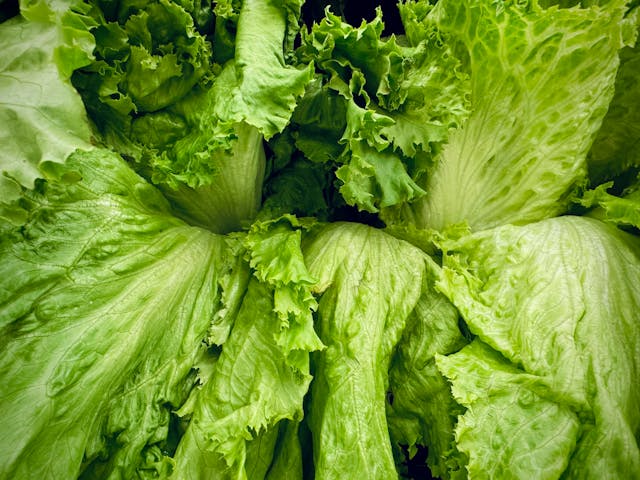
Researchers Recommend Refrigerating Lettuce to Minimize E. coli Contamination Risk

Leafy green vegetables are crucial for their dietary fibre and nutrient content, yet they can harbour harmful pathogens. Lettuce is often implicated in US foodborne illness outbreaks. A recent study by the University of Illinois Urbana-Champaign examined E. coli contamination factors across romaine lettuce, green-leaf lettuce, spinach, kale, and collards.

Lead author Mengyi Dong, now a postdoctoral researcher at Duke University, conducted the research at the Department of Food Science and Human Nutrition (FSHN), ACES, U. of I. The study infected whole leaves of these vegetables with E. coli O157:H7 and observed outcomes after storage at four °C, 20°C, and 37°C. Results showed temperature and leaf surface properties like roughness and natural wax significantly influenced susceptibility.

“E. coli thrives at room temperature or higher on lettuce, but refrigeration at four °C sharply reduces its population. Waxy greens like kale and collards, however, exhibit slower growth in warmth but survive longer when refrigerated,” Dong noted. Despite this, kale and collards are less susceptible overall than lettuce, which is often consumed raw.

The study also compared intact and cut leaves inoculated with E. coli, revealing that spinach, kale, and collard juices possess antimicrobial properties that hinder bacterial growth. The researchers isolated juices from kale and collards, finding potential applications as natural antimicrobial agents in controlling foodborne pathogens throughout the supply chain.

“Vegetables, grown in soil, are naturally exposed to bacteria,” explained co-author Pratik Banerjee, an associate professor in FSHN and Illinois Extension specialist. While acknowledging this complexity, Banerjee emphasised adherence to industry best practices and federal food safety standards to ensure a safe US food supply.

Banerjee and Dong underscore the importance of not discouraging fresh produce consumption but advocate for following food safety protocols: thorough washing, refrigerated storage, and awareness of food recalls. Their findings support ongoing efforts in the research community and federal agencies to address food safety challenges comprehensively.

More information: Mengyi Dong et al, Fates of attached E. coli o157:h7 on intact leaf surfaces revealed leafy green susceptibility, Food Microbiology. DOI: 10.1016/j.fm.2023.104432

Journal information: Food Microbiology Provided by University of Illinois College of Agricultural, Consumer and Environmental Sciences

Surgical Intervention Enhances Quality of Life in Patients with Acoustic Neuroma: Study Findings

Researchers at the University of California, San Diego School of Medicine have discovered that employing an innovative surgical technique to remove acoustic neuromas and slow-growing benign brain tumours enhances hearing preservation and quality of life for patients, alongside excellent facial nerve outcomes.

Published in the May 21, 2024, online edition of Otology & Neurotology, the study highlights significant improvements in patient outcomes following the surgical removal of acoustic neuromas using the middle fossa craniotomy approach. This method involves accessing the area above the inner ear and internal auditory canal, which is crucial for preserving hearing and overall well-being.

Key findings from the research, involving 71 participants, indicate that 68% of patients retained their hearing, with 94% achieving excellent facial nerve function at the one-year post-operative mark. Dr. Rick Friedman, MD, PhD, a professor at UC San Diego School of Medicine and neurotologist at UC San Diego Health, emphasised the transformative impact of preserving hearing, which directly influences patients’ quality of life.

Acoustic neuromas, or vestibular schwannomas, are tumours that develop on the nerve connecting the ear to the brain. Symptoms include tinnitus, hearing loss, dizziness, and balance issues, and if untreated, they can potentially lead to severe complications.

The middle fossa craniotomy approach is specifically tailored for smaller tumours, up to approximately 1.7 centimetres in size, confined to the internal auditory canal. This precise surgical technique involves meticulous tumour dissection while safeguarding surrounding brain structures and the inner ear to preserve hearing.

Julie Sifford, a patient from Las Vegas, highlighted the emotional and physical toll of living with an acoustic neuroma. After experiencing symptoms such as numbness, memory loss, and tinnitus, she sought medical attention and was diagnosed with the tumour in early 2023. Following extensive research and consultation with specialists at UC San Diego Health, she opted for the middle fossa craniotomy, prioritising the preservation of her hearing despite the inherent risks.

Dr. Marc Schwartz, MD, co-director of the acoustic neuroma program at UC San Diego Health, underscored the institution’s status as a Centre of Excellence for treating these tumours. The centre offers advanced surgical techniques and achieves superior patient outcomes. The centre’s multidisciplinary approach ensures comprehensive care, with many patients travelling internationally for treatment.

The study’s outcomes reinforce the importance of tailored treatment approaches and informed decision-making in managing acoustic neuromas. By prioritising patient-centric care and advancing surgical techniques, researchers aim to improve outcomes further and enhance the quality of life for patients globally.

More information: Jiramongkolchai, Pawina et al, Quality of Life for Patients with Sporadic Small Vestibular Schwannomas Following Middle Fossa Craniotomy, Otology & Neurotology. DOI: 10.1097/MAO.0000000000004202

Journal information: Otology & Neurotology Provided by University of California San Diego

Projected Population Shifts and Risk Factors Expected to Triple U.S. Cardiovascular Disease Costs by 2050

Driven by an increasingly diverse and ageing population, coupled with a significant rise in risk factors such as hypertension and obesity, the projected costs associated with cardiovascular diseases (CVD) are set to triple by 2050, according to forecasts by the American Heart Association. This prediction highlights a potentially monumental health and economic burden, with an estimated 61% of US adults—more than 184 million people—expected to suffer from some form of CVD over the next three decades. This prevalence is anticipated to incur direct and indirect costs of $1.8 trillion.

The new projections, detailed in two presidential advisories published in the Association’s journal Circulation, build upon previous research to assess future CVD prevalence and economic impact trends. Over its century-long history, the American Heart Association has significantly reduced death rates from heart disease and stroke, achievements acknowledged as the organisation marks its centennial milestone. Despite these advancements, heart-related conditions remain the leading causes of death and disability in the US.

Karen E. Joynt Maddox, M.D., M.P.H., FAHA, chair of the advisory writing groups, emphasised the ongoing challenges CVD poses and the critical need to address future projections. The advisories aim to anticipate trends over the next 30 years and identify key areas requiring intervention to sustain progress. This proactive approach is essential in mitigating the forecasted increase in CVD cases and associated costs.

Cardiovascular disease encompasses a range of conditions, including coronary heart disease, stroke, hypertension, and heart failure. The prevalence of these conditions is expected to rise significantly, driven mainly by increases in high blood pressure, diabetes, and obesity across all age groups. Despite these concerning projections, positive shifts in health behaviours, such as a decline in smoking rates and improvements in physical activity levels, are noted, suggesting a growing awareness and commitment to healthier lifestyles.

Looking ahead, the demographic landscape of the US will play a pivotal role in shaping CVD trends. The ageing population, alongside demographic shifts towards more diverse racial and ethnic groups, underscores the need for targeted health strategies. Disparities in CVD prevalence and risk factors persist among different demographic groups, influenced by systemic factors, including socioeconomic status and access to healthcare.

The economic impact of CVD is projected to escalate dramatically, primarily due to soaring healthcare costs and lost productivity. Direct healthcare expenditures related to CVD are forecasted to quadruple, reflecting both inflationary pressures and the increasing prevalence of these conditions. Stroke, in particular, is anticipated to drive a significant portion of these costs, given its association with an ageing population and rising hypertension rates.

Dhruv S. Kazi, M.D., M.Sc., M.S., FAHA, vice-chair of the advisory writing groups, highlighted the urgency of strategic interventions to curb these rising costs and prevalence rates. Modelling scenarios suggest that targeted reductions in risk factors could yield substantial benefits, potentially averting millions of CVD events and deaths annually by 2050. These scenarios underscore the importance of early intervention and comprehensive healthcare policies aimed at prevention and treatment.

Looking towards the future, advancements in medical research and public health initiatives offer hope for reversing current trends in CVD. The development of innovative treatments and continued support for scientific discovery are crucial in tackling these challenges. Moreover, addressing broader social determinants of health, including poverty and structural racism, is essential to ensuring equitable access to healthcare and reducing disparities in CVD outcomes across diverse populations.

Nancy Brown, Chief Executive Officer of the American Heart Association, emphasised the organisation’s commitment to advancing cardiovascular health into its second century. She called for collaborative efforts across communities, industries, and policy-makers to implement practical solutions and improve health outcomes nationwide. This collective approach, bolstered by ongoing research and public engagement, aims to transform the trajectory of cardiovascular health in the US and beyond.

As the American Heart Association prepares to navigate the complexities of an evolving healthcare landscape, the focus remains on equipping individuals and communities with the tools needed to lead healthier lives. By addressing the root causes of CVD and investing in preventive strategies, there is potential to mitigate the projected burden and foster a future where cardiovascular health is optimised for all.

More information: Karen E. Joynt Maddox et al, Forecasting the Burden of Cardiovascular Disease and Stroke in the United States Through 2050—Prevalence of Risk Factors and Disease: A Presidential Advisory From the American Heart Association, Circulation. DOI: 10.1161/CIR.0000000000001256

Journal information: Circulation Provided by American Heart Association