Wednesday, 21 Jan 2026
  • My Feed
  • My Saves
  • History
  • Blog
Living Well Study
  • Blog
  • Ageing Well
  • Brain Health
  • Healthy Diets
  • Physical Wellness
  • Wellness
  • 🔥
  • Wellness
  • older adults
  • Living Well
  • Brain Health
  • public health
  • dementia
  • Ageing Well
  • mental health
  • physical exercise
  • alzheimer disease
Font ResizerAa
Living Well StudyLiving Well Study
  • My Saves
  • My Feed
  • History
Search
  • Pages
    • Home
    • Search Page
  • Personalized
    • Blog
    • My Feed
    • My Saves
    • History
  • Categories
    • Ageing Well
    • Brain Health
    • Healthy Diets
    • Mental Wellness
    • Physical Wellness
    • Wellness
Have an existing account? Sign In
Follow US
© 2022 Foxiz News Network. Ruby Design Company. All Rights Reserved.
Living Well Study > Blog > Psychological Wellness > Oral health has an indirect impact on the subjective psychological well-being of older adults
Psychological Wellness

Oral health has an indirect impact on the subjective psychological well-being of older adults

support
Share
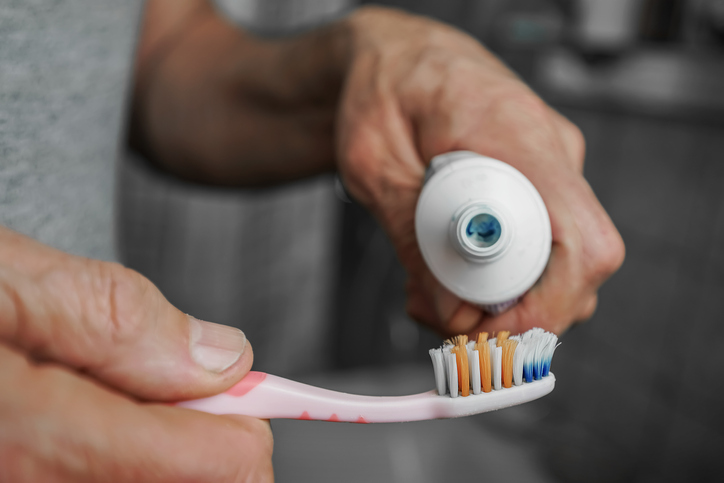
Old man with wrinkled hands squeezing paste to toothbrush close up view. Dental health care and hygiene concept. Image by Yaraslau Saulevich via iStock.
SHARE

Oral health plays a pivotal role in individuals’ overall health and well-being, impacting various aspects of life beyond just dental health. It is increasingly recognized that preserving oral health minimizes the necessity for oral rehabilitation in later years and lowers the likelihood of developing numerous systemic conditions. Consequently, dedicating resources to enhance oral hygiene offers significant advantages for older adults. Nevertheless, the extent to which the advantages of improved oral health permeate into psychological aspects remains to be fully understood.

The positive correlation between psychological well-being and increased survival rates across healthy and ailing groups underscores the importance of identifying determinants of subjective well-being. This pursuit involves assessing the quality of life metrics such as satisfaction with life, interests, and overall happiness.

In this context, research spearheaded by Senior Assistant Professor Noriko Takeuchi of the Department of Preventive Dentistry at Okayama University Hospital, alongside collaborators Dr Daisuke Ekuni, Dr Nanami Sawada, and Dr Manabu Morita, has shed light on the impact of oral health on the subjective well-being of older adults, emphasizing its indirect effects through nutritional status and environmental factors. Their groundbreaking work, published in PLOS ONE on November 28, 2023, delves into the intricate relationships between oral health and psychological well-being.

The research team embarked on an exploratory journey, assessing various oral health conditions, including bacterial presence on the tongue and chewing and swallowing capabilities, among elderly patients at a dental clinic within Okayama University Hospital. Their investigation extended to how these oral health parameters correlate with the participants’ self-reported psychological well-being, taking into account their nutritional status and environmental factors such as social interactions, lifestyle habits, and medical history.

Dr Takeuchi articulated the study’s motivation to bridge the gaps in scientific knowledge concerning the nexus between oral health and psychological well-being. By examining the interplay between individual and environmental characteristics, oral health, and nutritional status, the study aimed to enrich our understanding of their collective impact on the subjective well-being of older adults.

The study’s conclusions highlight the intertwined relationship between oral health and nutritional status, subsequently affecting older adults’ subjective well-being. The condition of one’s mouth significantly influences one’s dietary choices and, by extension, one’s nutritional intake and health outcomes. “Enhancing oral health can lead to better nutritional status, which, in turn, may bolster subjective psychological well-being,” Dr. Takeuchi remarked.

Furthermore, the research underscores a reciprocal relationship between oral health and individuals’ social and personal environments. This dynamic suggests that poor social connections, often linked to psychological stress, can lead to unhealthy habits that exacerbate dental issues. The study also draws attention to the interconnection between environmental characteristics and nutritional status, proposing that oral health’s influence on subjective well-being, while indirect, is mediated through nutritional or ecological pathways.

Amidst Japan’s rapidly ageing demographic, the focus on senior care is intensifying. This study offers vital insights into the broader implications of oral health on mental well-being, advocating for healthcare investments in dental health to enhance the quality of life in older age. Despite acknowledging the limitations of their cross-sectional study, Dr. Takeuchi emphasizes the potential long-term benefits of good oral health on psychological well-being, underscoring the study’s significance in promoting health and happiness among older adults.

More information: Noriko Takeuchi et al, Association between oral condition and subjective psychological well-being among older adults attending a university hospital dental clinic: A cross-sectional study, PLoS ONE. DOI: 10.1371/journal.pone.0295078

Journal information: PLoS ONE Provided by Okayama University

TAGGED:ageing populationsmental healtholder adultspsychological sciencepsychological stress
Share This Article
Email Copy Link Print
Previous Article Engaging in 20-25 minutes of physical exercise daily can mitigate the mortality risks associated with extended periods of sitting
Next Article The Mediterranean diet is linked to a reduced risk of dementia
Leave a Comment

Leave a Reply Cancel reply

Your email address will not be published. Required fields are marked *

Recent Posts

  • Concerns grow over faster ageing and dementia risk in survivors of childhood and young adult cancers
  • Researchers uncover links between infection and ageing through cellular senescence mechanisms
  • Study finds possible connection between brain injuries and suicide risk
  • Nearly 1.6 Million Adults in the UK Turned to Weight Loss Drugs Last Year
  • Targeting senescent brain cells may offer new ways to ease epilepsy symptoms

Tags

adolescents adverse effects ageing populations aging populations air pollution alzheimer disease amyloids anxiety artificial intelligence atopic dermatitis behavioral psychology biomarkers blood pressure body mass index brain cancer cancer research cardiology cardiovascular disease cardiovascular disorders caregivers children climate change effects clinical research coffee cognitive development cognitive disorders cognitive function cognitive neuroscience cohort studies COVID-19 dementia depression diabetes diets discovery research disease control disease intervention disease prevention diseases and disorders environmental health epidemiology foods food science gender studies geriatrics gerontology gut microbiota health and medicine health care health care costs health care delivery heart disease heart failure home care human brain human health hypertension inflammation insomnia life expectancy life sciences longitudinal studies memory disorders menopause mental health metabolic disorders metabolism mortality rates neurodegenerative diseases neurological disorders neurology neuroscience nursing homes nutrients nutrition obesity older adults parkinsons disease physical exercise population studies preventive medicine psychiatric disorders psychological science psychological stress public health research impact risk assessment risk factors risk reduction skin sleep sleep apnea sleep disorders social interaction social research socioeconomics stress management type 2 diabetes weight loss
January 2026
S M T W T F S
 123
45678910
11121314151617
18192021222324
25262728293031
« Dec    

This website is for information purpose only and is in no way intended to replace the advice, professional medical care, diagnosis or treatment of a doctor, therapist, dietician or nutritionist.

About | Contact | Cookie Policy | Digital Millennium Copyright Act Notice | Disclaimer | Privacy Policy | Terms of Service

You Might Also Like

Nature

How Nature’s Fragrances Impact Our Health: A Scientific Inquiry

By support
Wellness

Online Initiative Enhances Stability and Strengthens Older Adults, Reducing Falls

By support
Wellness

A study finds that perceptions of when ‘old age’ begins have shifted to a later age

By support
Mental Wellness

Research elucidates how childhood maltreatment affects mental and physical health well into adulthood

By support
Living Well Study
Categories
  • Ageing Well
  • Brain Health
  • Healthy Diets
  • Mental Wellness
  • Physical Wellness
  • Wellness
LivingWellStudy
  • About
  • Contact
  • Cookie Policy
  • Digital Millennium Copyright Act Notice
  • Disclaimer
  • Privacy Policy
  • Terms of Service
Welcome Back!

Sign in to your account

Username or Email Address
Password

Lost your password?