Monday, 5 Jan 2026
  • My Feed
  • My Saves
  • History
  • Blog
Living Well Study
  • Blog
  • Ageing Well
  • Brain Health
  • Healthy Diets
  • Physical Wellness
  • Wellness
  • 🔥
  • Wellness
  • older adults
  • Living Well
  • Brain Health
  • public health
  • dementia
  • Ageing Well
  • mental health
  • physical exercise
  • alzheimer disease
Font ResizerAa
Living Well StudyLiving Well Study
  • My Saves
  • My Feed
  • History
Search
  • Pages
    • Home
    • Search Page
  • Personalized
    • Blog
    • My Feed
    • My Saves
    • History
  • Categories
    • Ageing Well
    • Brain Health
    • Healthy Diets
    • Mental Wellness
    • Physical Wellness
    • Wellness
Have an existing account? Sign In
Follow US
© 2022 Foxiz News Network. Ruby Design Company. All Rights Reserved.
Living Well Study > Blog > Wellness > Signs of Vaping’s Detrimental Impact on Blood Vessels and the Heart’s Left Ventricle
Wellness

Signs of Vaping’s Detrimental Impact on Blood Vessels and the Heart’s Left Ventricle

support
Share
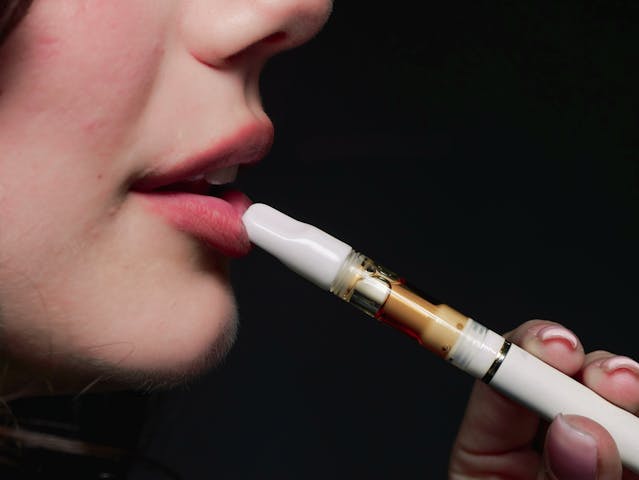
Photo by Ganesh Harikant: https://www.pexels.com/photo/a-person-smoking-electronic-cigarette-14867686/
SHARE

A recent investigation conducted by academics from the USC Viterbi School of Engineering, in partnership with the Keck School of Medicine of USC, the Huntington Medical Research Institutes (HMRI), and UC Irvine, sheds light on the detrimental effects of both electronic and traditional cigarettes on cardiovascular health. The study found that electronic cigarettes compromise the health of blood vessels, whereas traditional cigarettes detrimentally affect the heart.

The research, published in the Journal of the American Heart Association (JAHA), was spearheaded by Rashid Alavi while he was a mechanical engineering PhD student. Alavi worked in Niema Pahlevan’s laboratory, holds the Gordon S. Marshall Early Career Chair in Engineering at USC and is a Fellow of the American Heart Association (FAHA). Pahlevan is a renowned expert in flow physics, particularly in its application to medical diagnostics and treatments, and has pioneered non-invasive methods to monitor heart health.

The study, entitled “Adverse Cardiovascular Effects of Nicotine Delivered by Chronic Electronic Cigarettes or Standard Cigarettes Captured by Cardiovascular Intrinsic Frequencies,” employs a novel analysis technique based on fluid dynamics to evaluate the impact of nicotine delivered through both e-cigarette vapour and smoke from traditional cigarettes. Although initially conducted on animal models, the methodology applies to human subjects, as demonstrated in other medical scenarios such as heart failure. In human applications, a simple smartphone camera can detect anomalies in cardiovascular functioning.

Pahlevan elucidates the technique, stating that a smartphone camera captures images of the neck skin. The images are then analysed by an algorithm that extracts vessel wall dilation from the recorded skin vibrations. This dilation waveform reflects the pressure waveform in major arteries, such as the carotid artery, which exhibits minimal viscoelasticity of the wall.

The results of the study indicate that electronic cigarettes containing nicotine adversely affect vascular function and the coupling between the left ventricle and arteries. Similarly, traditional cigarettes have been shown to impair the contractile function of the left ventricle significantly. These outcomes highlight the potential long-term risks associated with nicotine consumption and its implications for cardiovascular health.

Pahlevan points out the accelerated ageing of the vascular system induced by vaping with nicotine, emphasising the severity of its effects. Despite the growing popularity of electronic cigarettes as a potential cessation aid for smokers, their impact on cardiovascular health has been largely underexplored until this study.

Pahlevan stresses the need for careful consideration when opting for electronic cigarettes, as their adverse effects are significant. The objective of the study, according to Alavi, is to increase awareness regarding the long-term effects of vaping on the cardiovascular system. He remarks on the eventual detrimental impact on the heart when blood vessels are compromised, underscoring the importance of making informed decisions about substance use. Alavi’s doctoral thesis on this subject was recognised among the top four in the USC Viterbi Best PhD Dissertation Award, and he is currently the James Boswell Postdoctoral Fellow at Caltech and HMRI.

Alavi also notes that the intrinsic frequency method, a cutting-edge fluid dynamics-based analysis technique, is susceptible to detecting abnormalities in the cardiovascular system, surpassing some traditional hemodynamic measures. This technique holds promise for cellphone applications aimed at assessing heart function, adding a layer of accessibility and cost-effectiveness to cardiovascular monitoring.

The study lays the groundwork for further human clinical trials by developing an innovative, cost-effective method to detect cardiovascular damage using simple measurements of carotid pressure waveforms. This approach could lead to quicker, easier, and more widespread cardiovascular health assessments, making significant strides in medical diagnostics and public health awareness.

More information: Rashid Alavi et al, Adverse Cardiovascular Effects of Nicotine Delivered by Chronic Electronic Cigarettes or Standard Cigarettes Captured by Cardiovascular Intrinsic Frequencies, Journal of the American Heart Association. DOI: 10.1161/JAHA.124.035462

Journal information: Journal of the American Heart Association Provided by University of Southern California

TAGGED:cardiovascular disorderscoronary vessels
Share This Article
Email Copy Link Print
Previous Article Dementia Diagnostic Indicators Vary According to Time of Day
Next Article Recent research reveals a connection between a partner’s joy and reduced stress hormone levels in ageing couples
Leave a Comment

Leave a Reply Cancel reply

Your email address will not be published. Required fields are marked *

Recent Posts

  • Safety Concerns: Blood Flow Restriction Cuffs and Falls in Older Adults
  • Frailty and depression together may substantially increase dementia risk in later life
  • Long-term mortality outcomes of natural disasters in ageing populations
  • Night waking disrupts cognitive functioning regardless of how long one sleeps
  • Ongoing Physical Activity Helps Prevent Metabolic Syndrome

Tags

adolescents adverse effects ageing populations aging populations air pollution alzheimer disease amyloids anxiety artificial intelligence atopic dermatitis behavioral psychology biomarkers blood pressure body mass index brain cancer cancer research cardiology cardiovascular disease cardiovascular disorders caregivers children climate change effects clinical research coffee cognitive development cognitive disorders cognitive function cognitive neuroscience cohort studies COVID-19 dementia depression diabetes diets discovery research disease control disease intervention disease prevention environmental health epidemiology foods food science gender studies geriatrics gerontology gut microbiota health and medicine health care health care costs health care delivery heart disease heart failure home care human brain human health hypertension inflammation insomnia life expectancy life sciences longitudinal studies memory disorders menopause mental health metabolic disorders metabolism mortality rates neurodegenerative diseases neurological disorders neurology neuroscience nursing homes nutrients nutrition obesity older adults parkinsons disease physical exercise population studies preventive medicine psychiatric disorders psychological science psychological stress public health research impact risk assessment risk factors risk reduction skin sleep sleep apnea sleep disorders social interaction social research social sciences socioeconomics stress management type 2 diabetes weight loss
January 2026
S M T W T F S
 123
45678910
11121314151617
18192021222324
25262728293031
« Dec    

This website is for information purpose only and is in no way intended to replace the advice, professional medical care, diagnosis or treatment of a doctor, therapist, dietician or nutritionist.

About | Contact | Cookie Policy | Digital Millennium Copyright Act Notice | Disclaimer | Privacy Policy | Terms of Service

You Might Also Like

Wellness

Residing at Elevated Elevations in India Associated with Higher Childhood Stunting Risk

By support
Wellness

Deciphering the Brain’s Methods for Differentiating Pain from Itch

By support
Wellness

Research Unveils the Impact of Alcohol Use Disorder on Cognitive Flexibility

By support
Wellness

Studies Provide Optimism and Comfort for Adults Struggling with Eating Disorders

By support
Living Well Study
Categories
  • Ageing Well
  • Brain Health
  • Healthy Diets
  • Mental Wellness
  • Physical Wellness
  • Wellness
LivingWellStudy
  • About
  • Contact
  • Cookie Policy
  • Digital Millennium Copyright Act Notice
  • Disclaimer
  • Privacy Policy
  • Terms of Service
Welcome Back!

Sign in to your account

Username or Email Address
Password

Lost your password?