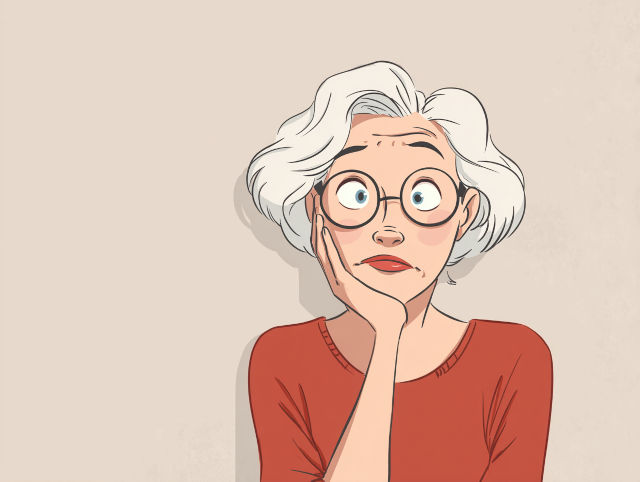
Anxiety about getting older, especially fears centred on declining health, may extend beyond the mind and register at a biological level, potentially speeding up the ageing process in women. New research suggests that these worries can be reflected in measurable cellular changes associated with accelerated ageing. Rather than being a purely emotional or psychological response, concern about ageing may have tangible effects on the body, reinforcing the idea that how people experience ageing internally can influence how they age physically.
The researchers behind the study argue that subjective perceptions and fears can translate into objective biological outcomes. One of the study’s authors explains that anxiety related to ageing should not be dismissed as an abstract mental state, as it may leave lasting physiological traces with meaningful consequences for long-term health. This perspective challenges the traditional separation between mental and physical health by highlighting how emotional experiences may actively shape biological processes linked to ageing.
Stress about ageing is common, with many people worrying about physical decline, chronic illness, and the potential loss of independence. Previous research has already demonstrated that psychological distress can influence biological ageing through epigenetic mechanisms, which affect how genes are expressed without altering the underlying DNA sequence. Anxiety and depression have long been associated with poorer physical health outcomes. Yet, little attention has been paid to whether worrying about ageing itself influences the speed at which ageing occurs.
Women, in particular, may be especially vulnerable to anxiety about ageing due to social and cultural pressures that place a high value on youth and physical appearance, alongside concerns about fertility. Midlife can be a period of intensified stress, as many women balance multiple roles, including work, family responsibilities, and caregiving for older relatives. Witnessing the illness or decline of parents and other family members may prompt fears about facing similar challenges in the future, reinforcing health-related anxieties about growing older.
To explore these links more closely, the researchers examined data from over seven hundred women participating in a large, long-running study of midlife health. Participants reported how frequently they worried about becoming less attractive, experiencing worsening health, or being too old to have children. Blood samples were also collected and analysed using two established epigenetic clocks: one designed to measure the pace of biological ageing and another that estimates cumulative biological damage over time. The results showed that higher overall anxiety about ageing was associated with a faster pace of biological ageing according to one of these measures.
Notably, worries about declining health showed the strongest connection to accelerated ageing at the cellular level, while concerns about appearance and fertility were not significantly linked. The researchers suggest this is because health-related anxieties persist and intensify over time, whereas fears about beauty or reproduction may diminish as priorities shift with age. Although the study cannot prove cause and effect, it underscores the close relationship between mental and physical health and points to ageing anxiety as a potentially modifiable factor. Further research may help clarify how reducing this type of anxiety could support healthier ageing and encourage a broader societal conversation about how ageing is understood, experienced, and supported.
More information: Mariana Rodrigues et al, Aging anxiety and epigenetic aging in a national sample of adult women in the United States, Psychoneuroendocrinology. DOI: 10.1016/j.psyneuen.2025.107704
Journal information: Psychoneuroendocrinology Provided by New York University