Wednesday, 20 May 2026
  • My Feed
  • My Saves
  • History
  • Blog
Living Well Study
  • Blog
  • Ageing Well
  • Brain Health
  • Healthy Diets
  • Physical Wellness
  • Wellness
  • 🔥
  • Wellness
  • older adults
  • Living Well
  • Brain Health
  • dementia
  • public health
  • Ageing Well
  • alzheimer disease
  • physical exercise
  • mental health
Font ResizerAa
Living Well StudyLiving Well Study
  • My Saves
  • My Feed
  • History
Search
  • Pages
    • Home
    • Search Page
  • Personalized
    • Blog
    • My Feed
    • My Saves
    • History
  • Categories
    • Ageing Well
    • Brain Health
    • Healthy Diets
    • Mental Wellness
    • Physical Wellness
    • Wellness
Have an existing account? Sign In
Follow US
© 2022 Foxiz News Network. Ruby Design Company. All Rights Reserved.
Living Well Study > Blog > Science > From Pollution to Prescription: Plastic Bottles Become Parkinson’s Drug
Science

From Pollution to Prescription: Plastic Bottles Become Parkinson’s Drug

support
Share
turn plastic bottles to drugs
SHARE

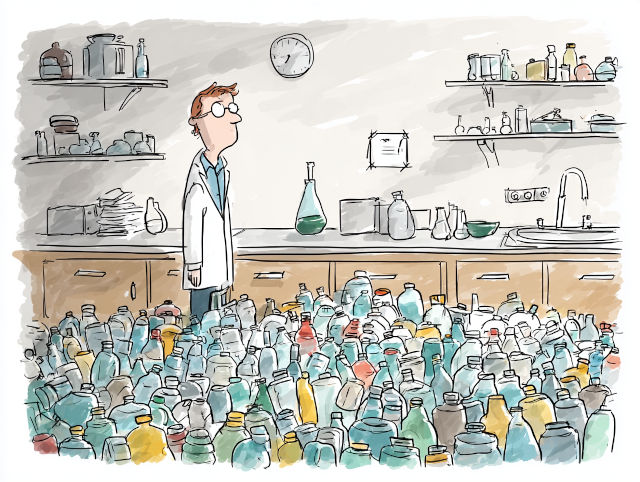
A pioneering study has demonstrated that a drug used to treat Parkinson’s disease can be produced from waste plastic bottles using an innovative biological method. The research introduces a novel approach that transforms post-consumer plastic into L-DOPA, a key frontline medication for managing the condition. By leveraging engineered bacteria, scientists have created a process that not only addresses plastic waste but also contributes to sustainable pharmaceutical production.

At the centre of this breakthrough is the use of bacteria to convert polyethylene terephthalate (PET), a common plastic found in food and drink packaging, into valuable chemical compounds. Researchers at the University of Edinburgh modified E. coli bacteria to carry out a sequence of biological reactions. These reactions ultimately convert PET-derived molecules into L-DOPA, marking the first time a natural biological system has been engineered to transform plastic waste into a therapeutic drug for a neurological condition.

The process begins with breaking down PET, of which approximately 50 million tonnes are produced annually, into its core chemical component, terephthalic acid. This intermediate compound is then processed by the engineered bacteria through a series of enzymatic steps, resulting in the production of L-DOPA. The approach effectively captures carbon embedded in plastic waste and repurposes it into a high-value medical product, demonstrating a creative and practical application of engineering biology.

Compared with conventional pharmaceutical manufacturing, which typically depends on finite fossil fuels, this method offers a more sustainable alternative. Plastic waste, often derived from oil and gas, is repurposed rather than discarded, reducing reliance on non-renewable resources. Existing recycling methods for PET remain imperfect and continue to contribute to global pollution, making this new technique particularly significant as a complementary solution that adds value while reducing environmental harm.

Beyond its immediate application in producing Parkinson’s medication, the innovation signals broader possibilities for a bio-upcycling industry. The same principles could potentially be applied to create a wide range of products, including flavourings, fragrances, cosmetics, and industrial chemicals. By demonstrating the feasibility of converting waste into useful and valuable outputs, the study highlights how biological systems can be harnessed to reshape manufacturing and resource use in more sustainable ways.

The findings, published in Nature Sustainability, were supported by organisations including UK Research and Innovation. Researchers are now working to scale up the process, improve efficiency, and evaluate its environmental and economic viability for industrial use. As the technology advances, it may help redefine how society views waste—not as a problem to discard, but as a resource with untapped potential to support both environmental sustainability and human health.

More information: Benjamin Royer et al, Microbial upcycling of plastic waste to levodopa, Nature Sustainability. DOI: 10.1038/s41893-026-01785-z

Journal information: Nature Sustainability Provided by University of Edinburgh

TAGGED:drug developmentpharmacologysustainability
Share This Article
Email Copy Link Print
Previous Article New evidence connects brain immune cells to Alzheimer’s plaque growth
Next Article Breakthrough study finds strong genetic risk factor for rare dementia
Leave a Comment

Leave a Reply Cancel reply

Your email address will not be published. Required fields are marked *

Recent Posts

  • Researchers Explore Garlic Compound’s Role in Maintaining Muscle Health
  • Redesigning Hospitals for an Ageing Population
  • More Than an Energy Drink: National Study Shows Kratom Use Is Increasing
  • Spending Time Outdoors Linked to Higher Life Satisfaction
  • Exercise Could Play a Key Role in Helping People Stop Smoking

Tags

adolescents adverse effects ageing populations aging populations air pollution alzheimer disease amyloids anxiety artificial intelligence atopic dermatitis behavioral psychology biomarkers blood pressure body mass index brain cancer cancer research cardiology cardiovascular disease cardiovascular disorders caregivers children climate change effects clinical research coffee cognition cognitive development cognitive disorders cognitive function cognitive neuroscience cohort studies COVID-19 dementia depression diabetes diets discovery research disease control disease intervention disease prevention diseases and disorders environmental health epidemiology foods food science gender studies geriatrics gerontology gut microbiota health and medicine health care health care costs health care delivery heart disease heart failure home care human brain human health hypertension inflammation insomnia life expectancy life sciences longitudinal studies memory disorders menopause mental health metabolic disorders metabolism mortality rates neurodegenerative diseases neurological disorders neurology neuroscience nursing homes nutrients nutrition obesity older adults parkinsons disease physical exercise population studies preventive medicine psychiatric disorders psychological science psychological stress public health research impact risk assessment risk factors risk reduction skin sleep sleep apnea sleep disorders social interaction social research socioeconomics type 2 diabetes weight loss
May 2026
S M T W T F S
 12
3456789
10111213141516
17181920212223
24252627282930
31  
« Apr    

This website is for information purpose only and is in no way intended to replace the advice, professional medical care, diagnosis or treatment of a doctor, therapist, dietician or nutritionist.

About | Contact | Cookie Policy | Digital Millennium Copyright Act Notice | Disclaimer | Privacy Policy | Terms of Service

You Might Also Like

Science

A New Framework Viewing Centenarians as Models of Immune Adaptability in Multimorbidity

By support
Science

Study reveals shared genetic basis for obesity in diverse ancestral groups

By support
Science

New research finds an invisible RNA ageing timer in human sperm

By support
Science

Comprehensive protein network reveals how neural communication falters in Alzheimer’s disease

By support
Living Well Study
Categories
  • Ageing Well
  • Brain Health
  • Healthy Diets
  • Mental Wellness
  • Physical Wellness
  • Wellness
LivingWellStudy
  • About
  • Contact
  • Cookie Policy
  • Digital Millennium Copyright Act Notice
  • Disclaimer
  • Privacy Policy
  • Terms of Service
Welcome Back!

Sign in to your account

Username or Email Address
Password

Lost your password?