Saturday, 2 May 2026
  • My Feed
  • My Saves
  • History
  • Blog
Living Well Study
  • Blog
  • Ageing Well
  • Brain Health
  • Healthy Diets
  • Physical Wellness
  • Wellness
  • 🔥
  • Wellness
  • older adults
  • Living Well
  • Brain Health
  • dementia
  • public health
  • Ageing Well
  • alzheimer disease
  • physical exercise
  • mental health
Font ResizerAa
Living Well StudyLiving Well Study
  • My Saves
  • My Feed
  • History
Search
  • Pages
    • Home
    • Search Page
  • Personalized
    • Blog
    • My Feed
    • My Saves
    • History
  • Categories
    • Ageing Well
    • Brain Health
    • Healthy Diets
    • Mental Wellness
    • Physical Wellness
    • Wellness
Have an existing account? Sign In
Follow US
© 2022 Foxiz News Network. Ruby Design Company. All Rights Reserved.
Living Well Study > Blog > Health Care > Surgical Recovery Slower in Older Adults Than Anticipated, Emphasising Better Planning Needs
Health Care

Surgical Recovery Slower in Older Adults Than Anticipated, Emphasising Better Planning Needs

support
Share
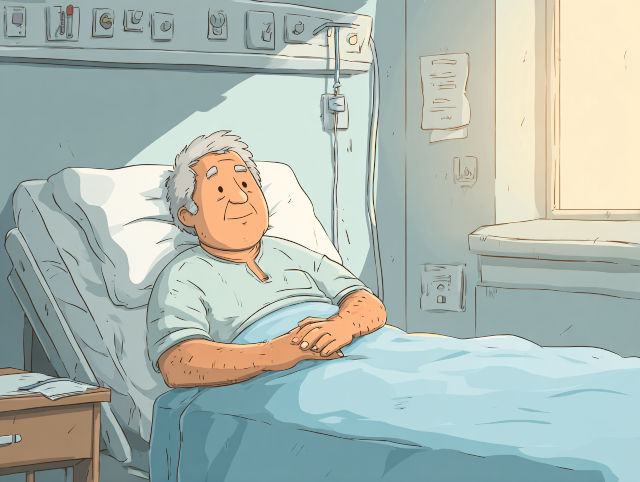
recovery room in hospital
SHARE

A new study led by researchers at the University of Toronto reveals that recovery after surgery in older adults often takes significantly longer than expected. The findings show that nearly one in five older patients continues to experience difficulties with basic activities of daily living well into the recovery period, raising important questions about how post-operative care is planned and communicated.

This extended recovery period places considerable strain not only on patients but also on their caregivers. The added burden increases the likelihood of adverse outcomes, including infections, visits to the emergency department, and hospital readmissions. These challenges underscore the need for more comprehensive support systems to ensure safer and more manageable recoveries for older adults.

Co-author Martine Puts, a professor at the Lawrence Bloomberg Faculty of Nursing, notes that while previous research has largely focused on mortality and readmission rates, far less attention has been paid to the lived recovery experiences of patients and their caregivers. This gap, she suggests, has led to an underestimation of the true demands of post-surgical recovery in older populations.

“The healthcare system often assumes that caregivers will instinctively know what to expect and how to support recovery,” says Puts, who also holds the Canada Research Chair in Care of Frail Older Adults. “However, our study shows that guidance is minimal, particularly when it comes to critical aspects such as wound care. Many participants reported feeling unprepared for what lay ahead after surgery.”

The study, one of the largest of its kind, followed 289 participants across 17 hospital sites in Canada between 2021 and 2023. This included 204 older adults and 85 caregivers, all tracked for six months after elective non-cardiac surgery. Researchers assessed participants’ ability to perform instrumental activities of daily living, such as managing finances, household responsibilities, and appointments, as well as basic activities like bathing, eating, and toileting. Two months after surgery, 64 per cent of older adults reported difficulty with instrumental tasks, while one-third experienced challenges with basic daily activities. Even after six months, 42 per cent continued to struggle with instrumental activities and 19 per cent with basic care needs.

“These findings are quite striking and highlight the real challenges faced during recovery,” says co-author Shabbir Alibhai, a Senior Scientist at the Princess Margaret Cancer Centre and professor at Temerty Medicine. “We need to develop better strategies to support both patients and caregivers throughout this process.” The study also found that many caregivers experienced a greater-than-expected impact on their mental health, often due to a lack of preparation for the duration and intensity of care required.

Study participant Michele Chaban, who underwent spinal surgery at age 71, shared her experience navigating recovery. Despite preparing in advance and having a background in healthcare, she encountered serious complications when her surgical incision reopened shortly after the procedure. She also struggled with unmanaged pain and ultimately left the hospital early to seek better care, only to return to the emergency department with complications. Reflecting on her experience, Chaban emphasised the need for clearer communication and more proactive planning, suggesting that tools such as pre-operative educational videos and better guidance could significantly improve outcomes for older adults and their caregivers.

More information: Nelly Toledano et al, Recovery Experiences of Older Adults and Their Caregivers After Major Elective Noncardiac Surgery, Surgery. DOI: 10.1001/jamanetworkopen.2026.0692

Journal information: Surgery Provided by University of Toronto

TAGGED:older adultsstressorssurgery
Share This Article
Email Copy Link Print
Previous Article The Lancet Global Health: Study suggests climate change may worsen inactivity trends and lead to half a million early deaths globally
Next Article New findings associate early heart stress, prediabetes, and high blood pressure with greater heart failure risk
Leave a Comment

Leave a Reply Cancel reply

Your email address will not be published. Required fields are marked *

Recent Posts

  • Lingering Effects: How Early Substance Use Leaves Its Mark on the Brain
  • Blood-Based Test Could Guide More Precise Breast Cancer Therapy for Older Women
  • Chronic Stress and Cancer Progression
  • Research in Sweden Reveals Subtle Complexities in Japanese Ageing
  • Physical Fitness Drives Better Work Outcomes

Tags

adolescents adverse effects ageing populations aging populations air pollution alzheimer disease amyloids anxiety artificial intelligence atopic dermatitis behavioral psychology biomarkers blood pressure body mass index brain cancer cancer research cardiology cardiovascular disease cardiovascular disorders caregivers children climate change effects clinical research coffee cognition cognitive development cognitive disorders cognitive function cognitive neuroscience cohort studies COVID-19 dementia depression diabetes diets discovery research disease control disease intervention disease prevention diseases and disorders environmental health epidemiology foods food science gender studies geriatrics gerontology gut microbiota health and medicine health care health care costs health care delivery heart disease heart failure home care human brain human health hypertension inflammation insomnia life expectancy life sciences longitudinal studies memory disorders menopause mental health metabolic disorders metabolism mortality rates neurodegenerative diseases neurological disorders neurology neuroscience nursing homes nutrients nutrition obesity older adults parkinsons disease physical exercise population studies preventive medicine psychiatric disorders psychological science psychological stress public health research impact risk assessment risk factors risk reduction skin sleep sleep apnea sleep disorders social interaction social research socioeconomics type 2 diabetes weight loss
May 2026
S M T W T F S
 12
3456789
10111213141516
17181920212223
24252627282930
31  
« Apr    

This website is for information purpose only and is in no way intended to replace the advice, professional medical care, diagnosis or treatment of a doctor, therapist, dietician or nutritionist.

About | Contact | Cookie Policy | Digital Millennium Copyright Act Notice | Disclaimer | Privacy Policy | Terms of Service

You Might Also Like

Mental Wellness

It’s not just you: Young people appear and feel older when under stress

By support
Brain Health

Recent scientific research reveals possible connection between microplastics in heavily processed foods and brain function

By support
Public Health

Research shows flu vaccine effectiveness differs across age groups

By support
Living Well

Tai chi matches therapy in chronic insomnia care

By support
Living Well Study
Categories
  • Ageing Well
  • Brain Health
  • Healthy Diets
  • Mental Wellness
  • Physical Wellness
  • Wellness
LivingWellStudy
  • About
  • Contact
  • Cookie Policy
  • Digital Millennium Copyright Act Notice
  • Disclaimer
  • Privacy Policy
  • Terms of Service
Welcome Back!

Sign in to your account

Username or Email Address
Password

Lost your password?