Monday, 18 May 2026
  • My Feed
  • My Saves
  • History
  • Blog
Living Well Study
  • Blog
  • Ageing Well
  • Brain Health
  • Healthy Diets
  • Physical Wellness
  • Wellness
  • 🔥
  • Wellness
  • older adults
  • Living Well
  • Brain Health
  • dementia
  • public health
  • Ageing Well
  • alzheimer disease
  • physical exercise
  • mental health
Font ResizerAa
Living Well StudyLiving Well Study
  • My Saves
  • My Feed
  • History
Search
  • Pages
    • Home
    • Search Page
  • Personalized
    • Blog
    • My Feed
    • My Saves
    • History
  • Categories
    • Ageing Well
    • Brain Health
    • Healthy Diets
    • Mental Wellness
    • Physical Wellness
    • Wellness
Have an existing account? Sign In
Follow US
© 2022 Foxiz News Network. Ruby Design Company. All Rights Reserved.
Living Well Study > Blog > Ageing Well > Complex Interconnections Between Social Isolation, Loneliness, and Frailty Among Older Adults
Ageing Well

Complex Interconnections Between Social Isolation, Loneliness, and Frailty Among Older Adults

support
Share
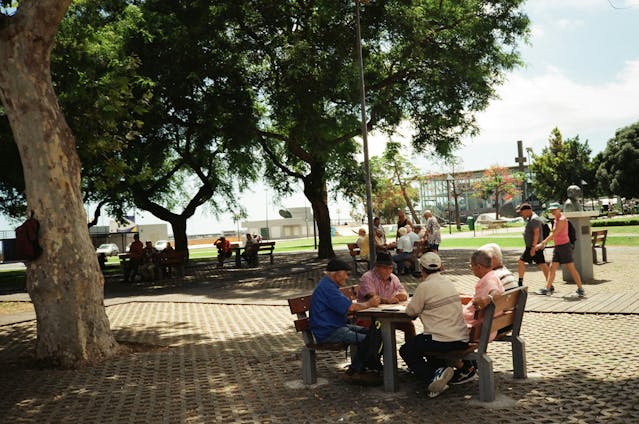
Photo by Marina Zvada: https://www.pexels.com/photo/elderly-men-playing-chess-in-madeira-park-29714395/
SHARE

A recent study spearheaded by a researcher at Concordia University delves into the interdependent effects of social isolation, loneliness, and frailty among older adults. It reveals the complex interactions and bidirectional influences these factors exert as individuals age.

Fereshteh Mehrabi, a postdoctoral fellow in the Department of Psychology, and her colleagues explore this intricate dynamic in a publication featured in the journal Age and Ageing. Their analysis is based on seven sequential surveys involving over 2,300 elderly Dutch participants, tracked triennially from 1995 to 2016. The findings underscore that physical frailty may predict future social isolation and that loneliness can be both a precursor and a result of increasing frailty.

The study illuminates how these three elements—frailty, loneliness, and social isolation—can intensify one another over time. Individuals who are lonely and isolated tend to experience an increase in frailty; conversely, as they become more frail, their feelings of isolation and loneliness intensify, particularly as they age.

Mehrabi notes significant correlations in the data across multiple survey waves spanning 18 years: older adults exhibiting frailty were more prone to loneliness, and in most of the data sets, they also faced social isolation.

This comprehensive research utilised data from the Longitudinal Aging Study Amsterdam, initiated in 1992. The average age of the participants was 72.6 years, with females representing approximately 52 per cent of the sample. Eligibility for the study required participants to be at least 55 years old.

The assessment of social isolation involved participants responding to six criteria, including marital status, living arrangements, frequency of contact with family and friends, and participation in organised activities. A higher tally on this scale indicated more excellent social isolation, focusing on the breadth of an individual’s social interactions.

Conversely, loneliness was evaluated through the quality of interpersonal relationships, assessed via responses to 11 targeted questions. These queries aimed to gauge feelings associated with the lack of close personal connections, with higher scores reflecting increased loneliness.

Frailty was measured through a combination of self-reported chronic conditions, overall health status, functional limitations (such as managing finances or grocery shopping independently), physical performance, memory issues, and signs of depression. This measure reflects a decline in physiological resilience and capacity to recover from stressors like illness or injury.

Interestingly, Mehrabi highlights that socially isolated individuals often adopt less healthy lifestyles, which can include smoking, inadequate nutrition, poor sleep patterns, and limited social interaction. However, she also points out the reversibility of social isolation and frailty through lifestyle modifications, particularly at the pre-frail stage. Such adjustments include improved nutrition, increased physical activity, and greater engagement in group-based activities.

The research advocates for targeted interventions that focus on socially isolated older adults and frail older adults to enhance their social engagement through community-based programs. Activities recommended for inclusion in such interventions include yoga and tai chi, facilitated through local community centres like libraries.

Mehrabi stresses the importance of bolstering social connections among older adults, particularly those showing signs of pre-frailty, to enhance their overall well-being and quality of life. This approach addresses the symptoms and root causes of frailty and isolation, offering a holistic strategy to improve the lives of older adults.

More information: Fereshteh Mehrabi et al, The temporal sequence and reciprocal relationships of frailty, social isolation and loneliness in older adults across 21 years, Age and Ageing. DOI: 10.1093/ageing/afae215

Journal information: Age and Ageing Provided by Concordia University

TAGGED:interpersonal relationshipsolder adultssocial researchstressors
Share This Article
Email Copy Link Print
Previous Article Cannabis Consumption May Lead to Chromosomal Harm, Elevating Cancer Risk and Affecting Future Generations
Next Article The Influence of Educational Achievement on Memory Retention and Dementia Risk in Later Years
Leave a Comment

Leave a Reply Cancel reply

Your email address will not be published. Required fields are marked *

Recent Posts

  • Spending Time Outdoors Linked to Higher Life Satisfaction
  • Exercise Could Play a Key Role in Helping People Stop Smoking
  • The Tiny Cellular Framework Behind Brain Development
  • ‘Forever Chemicals’ Found in Nearly Entire US Study Population, Researchers Report
  • Healthy Hearts May Still Face the Risk of Alzheimer’s Disease

Tags

adolescents adverse effects ageing populations aging populations air pollution alzheimer disease amyloids anxiety artificial intelligence atopic dermatitis behavioral psychology biomarkers blood pressure body mass index brain cancer cancer research cardiology cardiovascular disease cardiovascular disorders caregivers children climate change effects clinical research coffee cognition cognitive development cognitive disorders cognitive function cognitive neuroscience cohort studies COVID-19 dementia depression diabetes diets discovery research disease control disease intervention disease prevention diseases and disorders environmental health epidemiology foods food science gender studies geriatrics gerontology gut microbiota health and medicine health care health care costs health care delivery heart disease heart failure home care human brain human health hypertension inflammation insomnia life expectancy life sciences longitudinal studies memory disorders menopause mental health metabolic disorders metabolism mortality rates neurodegenerative diseases neurological disorders neurology neuroscience nursing homes nutrients nutrition obesity older adults parkinsons disease physical exercise population studies preventive medicine psychiatric disorders psychological science psychological stress public health research impact risk assessment risk factors risk reduction skin sleep sleep apnea sleep disorders social interaction social research socioeconomics type 2 diabetes weight loss
May 2026
S M T W T F S
 12
3456789
10111213141516
17181920212223
24252627282930
31  
« Apr    

This website is for information purpose only and is in no way intended to replace the advice, professional medical care, diagnosis or treatment of a doctor, therapist, dietician or nutritionist.

About | Contact | Cookie Policy | Digital Millennium Copyright Act Notice | Disclaimer | Privacy Policy | Terms of Service

You Might Also Like

Ageing Well

Exploring the Role of the Gut Microbiome in Ageing

By support
Brain Health

Adult ADHD and its association with dementia risk

By support
Brain Health

Creativity keeps the mind young, says worldwide study on brain health

By support
Wellness

Research unveils the role of the aging immune system in accelerating cancer development, potentially paving the way for novel preventive strategies

By support
Living Well Study
Categories
  • Ageing Well
  • Brain Health
  • Healthy Diets
  • Mental Wellness
  • Physical Wellness
  • Wellness
LivingWellStudy
  • About
  • Contact
  • Cookie Policy
  • Digital Millennium Copyright Act Notice
  • Disclaimer
  • Privacy Policy
  • Terms of Service
Welcome Back!

Sign in to your account

Username or Email Address
Password

Lost your password?