Wednesday, 21 Jan 2026
  • My Feed
  • My Saves
  • History
  • Blog
Living Well Study
  • Blog
  • Ageing Well
  • Brain Health
  • Healthy Diets
  • Physical Wellness
  • Wellness
  • 🔥
  • Wellness
  • older adults
  • Living Well
  • Brain Health
  • public health
  • dementia
  • Ageing Well
  • mental health
  • physical exercise
  • alzheimer disease
Font ResizerAa
Living Well StudyLiving Well Study
  • My Saves
  • My Feed
  • History
Search
  • Pages
    • Home
    • Search Page
  • Personalized
    • Blog
    • My Feed
    • My Saves
    • History
  • Categories
    • Ageing Well
    • Brain Health
    • Healthy Diets
    • Mental Wellness
    • Physical Wellness
    • Wellness
Have an existing account? Sign In
Follow US
© 2022 Foxiz News Network. Ruby Design Company. All Rights Reserved.
Living Well Study > Blog > Living Well > Recommendation on interventions for preventing falls in older adults residing in the community
Living Well

Recommendation on interventions for preventing falls in older adults residing in the community

support
Share
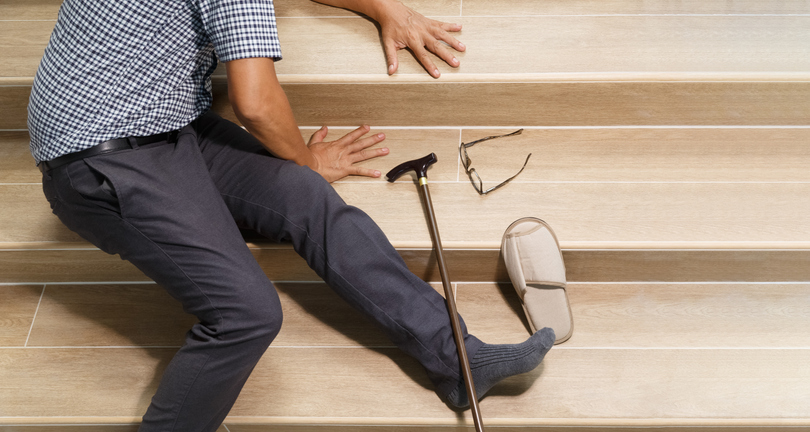
Senior man with stick falling down stair. Image by Toa55 via iStock.
SHARE

The U.S. Preventive Services Task Force (USPSTF) strongly advocates exercise interventions as a primary measure to prevent falls among community-dwelling adults aged 65 years and older with an elevated risk of falling. Additionally, the USPSTF suggests that clinicians tailor the decision to provide multifactorial interventions for fall prevention to this same demographic group. The recommendation underscores the importance of considering individual circumstances, including the frequency of prior falls, the presence of concurrent medical conditions, and the patient’s values and preferences when evaluating the appropriateness of such interventions.

Existing evidence highlights that while multifactorial interventions for fall prevention offer some benefits, the overall net benefit remains modest. Therefore, patients, as active participants in their healthcare, and healthcare providers should carefully weigh the potential advantages and drawbacks before opting for these interventions. Factors such as the severity and frequency of previous falls, chronic health conditions, and the patient’s unique preferences should guide decisions about implementing multifactorial fall prevention strategies.

Falls represent a significant public health concern among older adults in the United States, contributing significantly to injury-related morbidity and mortality. Given this impact, the USPSTF continuously evaluates and updates its recommendations regarding the effectiveness of preventive healthcare services. This latest recommendation, replacing the 2018 guideline, reflects the Task Force’s ongoing commitment to enhancing the quality of preventive care for older adults at risk of falls.

More information: Wanda K. Nicholson et al, Interventions to Prevent Falls in Community-Dwelling Older Adults, JAMA. DOI: 10.1001/jama.2024.8481

Journal information: JAMA Provided by JAMA Network

TAGGED:clinical studiescommunity stabilityhealth caremorbidityolder adultsphysical exercisepreventive medicinerisk factorstraumatic injury
Share This Article
Email Copy Link Print
Previous Article Reconsidering the Care of Patients Admitted for Social Reasons
Next Article Treatment Responsiveness and Prolonged Survival in Older Adults with Aggressive Blood Cancer
Leave a Comment

Leave a Reply Cancel reply

Your email address will not be published. Required fields are marked *

Recent Posts

  • Researchers uncover links between infection and ageing through cellular senescence mechanisms
  • Study finds possible connection between brain injuries and suicide risk
  • Nearly 1.6 Million Adults in the UK Turned to Weight Loss Drugs Last Year
  • Targeting senescent brain cells may offer new ways to ease epilepsy symptoms
  • Do circadian rhythms play a role in dementia risk?

Tags

adolescents adverse effects ageing populations aging populations air pollution alzheimer disease amyloids anxiety artificial intelligence atopic dermatitis behavioral psychology biomarkers blood pressure body mass index brain cancer cancer research cardiology cardiovascular disease cardiovascular disorders caregivers children climate change effects clinical research coffee cognitive development cognitive disorders cognitive function cognitive neuroscience cohort studies COVID-19 dementia depression diabetes diets discovery research disease control disease intervention disease prevention diseases and disorders environmental health epidemiology foods food science gender studies geriatrics gerontology gut microbiota health and medicine health care health care costs health care delivery heart disease heart failure home care human brain human health hypertension inflammation insomnia life expectancy life sciences longitudinal studies memory disorders menopause mental health metabolic disorders metabolism mortality rates neurodegenerative diseases neurological disorders neurology neuroscience nursing homes nutrients nutrition obesity older adults parkinsons disease physical exercise population studies preventive medicine psychiatric disorders psychological science psychological stress public health research impact risk assessment risk factors risk reduction skin sleep sleep apnea sleep disorders social interaction social research socioeconomics stress management type 2 diabetes weight loss
January 2026
S M T W T F S
 123
45678910
11121314151617
18192021222324
25262728293031
« Dec    

This website is for information purpose only and is in no way intended to replace the advice, professional medical care, diagnosis or treatment of a doctor, therapist, dietician or nutritionist.

About | Contact | Cookie Policy | Digital Millennium Copyright Act Notice | Disclaimer | Privacy Policy | Terms of Service

You Might Also Like

Living Well

Can changes in health and lifestyle safeguard older adults from Alzheimer’s?

By support
Living Well

Closing the Care Gap: CU Anschutz Researchers Aim to Enhance Heart Disease Treatment for Women

By support
Wellness

Research Suggests High Temperatures Could Accelerate Ageing in Elderly Individuals

By support
Physical Wellness

Amino acid supplement could help older adults get more out of their exercise routine

By support
Living Well Study
Categories
  • Ageing Well
  • Brain Health
  • Healthy Diets
  • Mental Wellness
  • Physical Wellness
  • Wellness
LivingWellStudy
  • About
  • Contact
  • Cookie Policy
  • Digital Millennium Copyright Act Notice
  • Disclaimer
  • Privacy Policy
  • Terms of Service
Welcome Back!

Sign in to your account

Username or Email Address
Password

Lost your password?