Thursday, 2 Jul 2026
  • My Feed
  • My Saves
  • History
  • Blog
Living Well Study
  • Blog
  • Ageing Well
  • Brain Health
  • Healthy Diets
  • Physical Wellness
  • Wellness
  • 🔥
  • Wellness
  • older adults
  • Living Well
  • Brain Health
  • dementia
  • public health
  • Ageing Well
  • alzheimer disease
  • physical exercise
  • mental health
Font ResizerAa
Living Well StudyLiving Well Study
  • My Saves
  • My Feed
  • History
Search
  • Pages
    • Home
    • Search Page
  • Personalized
    • Blog
    • My Feed
    • My Saves
    • History
  • Categories
    • Ageing Well
    • Brain Health
    • Healthy Diets
    • Mental Wellness
    • Physical Wellness
    • Wellness
Have an existing account? Sign In
Follow US
© 2022 Foxiz News Network. Ruby Design Company. All Rights Reserved.
Living Well Study > Blog > Wellness > Scientists chart the progression of the measles virus through the human brain
Wellness

Scientists chart the progression of the measles virus through the human brain

support
Share
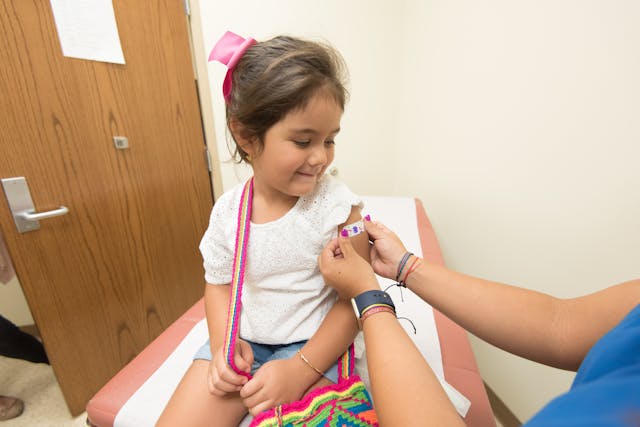
Girl Getting Vaccinated. Photo by CDC: https://www.pexels.com/photo/girl-getting-vaccinated-3992931/
SHARE

Researchers from the Mayo Clinic have meticulously traced the mutation and proliferation patterns of the measles virus in the brain of an individual who died from a rare and fatal brain condition. This disease is an uncommon complication arising from measles infection, and its occurrence might increase as measles becomes more prevalent among unvaccinated populations, according to the researchers.

Leveraging advanced genetic sequencing technologies, the Mayo Clinic team recreated the process by which a variety of viral genomes took hold within a human brain. These genomes underwent specific mutations facilitating the virus’s expansion from the frontal cortex to other areas.

Roberto Cattaneo, Ph.D., a leading virologist at Mayo Clinic and co-author of the study published in PLOS Pathogens, emphasized the significance of their findings. He stated that their research offers critical insights into how the viral RNA mutates and disseminates within a major human organ—specifically, the brain. These insights are pivotal for understanding the persistence and adaptation of other viruses within the human brain, potentially leading to disease. Furthermore, this knowledge could aid in the development of potent antiviral medications.

Measles is known for its high contagion levels. It initially infects the upper respiratory system and utilizes the trachea as a launch pad, spreading through droplets emitted during coughs or sneezes by infected individuals.

Dr. Cattaneo has been at the forefront of research on the systemic spread of the measles virus. His fascination with measles began approximately 40 years ago, particularly with subacute sclerosing panencephalitis (SSPE), a lethal brain disease that emerges in roughly 1 out of every 10,000 measles cases. SSPE manifests years after the initial measles infection, leading to severe neurological symptoms such as memory loss, seizures, and paralysis. Dr. Cattaneo dedicated many years to studying SSPE until the disease became rare, thanks to widespread measles vaccination.

However, the resurgence of measles, driven by vaccine scepticism and missed vaccinations, especially during the COVID-19 pandemic, has led to a significant rise in measles cases and deaths globally. The decline in vaccination rates has resulted in an estimated 18% increase in measles cases and a 43% surge in measles-related deaths in 2021 compared to the previous year, as the Centers for Disease Control and Prevention (CDC) reported.

The research team, including Dr. Cattaneo and Iris Yousaf, a Ph.D. candidate at the Mayo Clinic Graduate School of Biomedical Sciences, utilized a unique opportunity to study SSPE through a collaboration with the CDC. They analyzed brain samples from an individual who contracted measles in childhood and later succumbed to SSPE. By conducting genetic sequencing on various brain regions, they pieced together how the measles virus evolved and increased within the brain.

They found that the virus’s genome began mutating in detrimental ways upon entering the brain, creating a diverse population of viral genomes. Two specific genomes possessed characteristics that significantly enhanced the virus’s ability to spread from the frontal cortex, effectively colonizing the entire brain.

The research team plans to explore further how particular mutations facilitate the virus’s spread in the brain. These investigations will involve studies on brain cell cultures and brain-like organoids. The aim is to uncover potential antiviral treatments to prevent virus proliferation within the brain. Despite the challenges in treating advanced stages of diseases like SSPE, vaccination against measles remains the most effective prevention strategy.

More information: Iris Yousaf et al, Brain tropism acquisition: the spatial dynamics and evolution of a measles virus collective infectious unit that drove lethal subacute sclerosing panencephalitis, PLoS Pathogens. DOI: 10.1371/journal.ppat.1011817

Journal information: PLoS Pathogens Provided by Mayo Clinic

TAGGED:gene targetinghuman brainmeaslesneurological disorderstarget mrnavaccine target
Share This Article
Email Copy Link Print
Previous Article What is the typical age and level of disability among older adults transitioning into long-term care?
Next Article Higher dementia diagnosis rates linked to benzodiazepine use in anxious older adults
Leave a Comment

Leave a Reply Cancel reply

Your email address will not be published. Required fields are marked *

Recent Posts

  • The Key to a Fulfilling Retirement: Staying Social
  • Adopting a Healthy Lifestyle Linked to Slower Biological Ageing in Older Men
  • Innovative Wound Treatment Could Improve Healing and Recovery
  • Bringing Toxoplasmosis Into Focus: A Global Call for Recognition
  • Unravelling the Link Between Brain Iron Accumulation and Neurodegeneration

Tags

adolescents adverse effects ageing populations aging populations air pollution alzheimer disease amyloids anxiety artificial intelligence atopic dermatitis behavioral psychology biomarkers blood pressure body mass index brain cancer cancer research cardiology cardiovascular disease cardiovascular disorders caregivers children climate change effects clinical research cognition cognitive development cognitive disorders cognitive function cognitive neuroscience cohort studies COVID-19 dementia depression diabetes diets discovery research disease control disease intervention disease prevention diseases and disorders environmental health epidemiology foods food science gender studies geriatrics gerontology gut microbiota health and medicine health care health care costs health care delivery heart disease heart failure home care human brain human health hypertension inflammation insomnia life expectancy life sciences longitudinal studies memory disorders menopause mental health metabolic disorders metabolism mortality rates neurodegenerative diseases neurological disorders neurology neuroscience nursing homes nutrients nutrition obesity older adults parkinsons disease physical exercise population studies preventive medicine psychiatric disorders psychological science psychological stress public health research impact risk assessment risk factors risk reduction skin sleep sleep apnea sleep disorders social interaction social research socioeconomics tobacco type 2 diabetes weight loss
July 2026
S M T W T F S
 1234
567891011
12131415161718
19202122232425
262728293031  
« Jun    

This website is for information purpose only and is in no way intended to replace the advice, professional medical care, diagnosis or treatment of a doctor, therapist, dietician or nutritionist.

About | Contact | Cookie Policy | Digital Millennium Copyright Act Notice | Disclaimer | Privacy Policy | Terms of Service

You Might Also Like

Wellness

Therapeutic Interventions Between Children and Parents Offer Biological Healing for Traumatized Youth

By support
Wellness

Africa: Improved Road Infrastructure Enhances Dietary Variety

By support
Wellness

Earlier Detection of Diabetes Associated with Increased Dementia Risk

By support
Wellness

Study finds possible connection between brain injuries and suicide risk

By support
Living Well Study
Categories
  • Ageing Well
  • Brain Health
  • Healthy Diets
  • Mental Wellness
  • Physical Wellness
  • Wellness
LivingWellStudy
  • About
  • Contact
  • Cookie Policy
  • Digital Millennium Copyright Act Notice
  • Disclaimer
  • Privacy Policy
  • Terms of Service
Welcome Back!

Sign in to your account

Username or Email Address
Password

Lost your password?