Wednesday, 21 Jan 2026
  • My Feed
  • My Saves
  • History
  • Blog
Living Well Study
  • Blog
  • Ageing Well
  • Brain Health
  • Healthy Diets
  • Physical Wellness
  • Wellness
  • 🔥
  • Wellness
  • older adults
  • Living Well
  • Brain Health
  • public health
  • dementia
  • Ageing Well
  • mental health
  • physical exercise
  • alzheimer disease
Font ResizerAa
Living Well StudyLiving Well Study
  • My Saves
  • My Feed
  • History
Search
  • Pages
    • Home
    • Search Page
  • Personalized
    • Blog
    • My Feed
    • My Saves
    • History
  • Categories
    • Ageing Well
    • Brain Health
    • Healthy Diets
    • Mental Wellness
    • Physical Wellness
    • Wellness
Have an existing account? Sign In
Follow US
© 2022 Foxiz News Network. Ruby Design Company. All Rights Reserved.
Living Well Study > Blog > Wellness > Scientists uncover heart rate indicator linked to accelerated cognitive decline in ageing adults
Wellness

Scientists uncover heart rate indicator linked to accelerated cognitive decline in ageing adults

support
Share
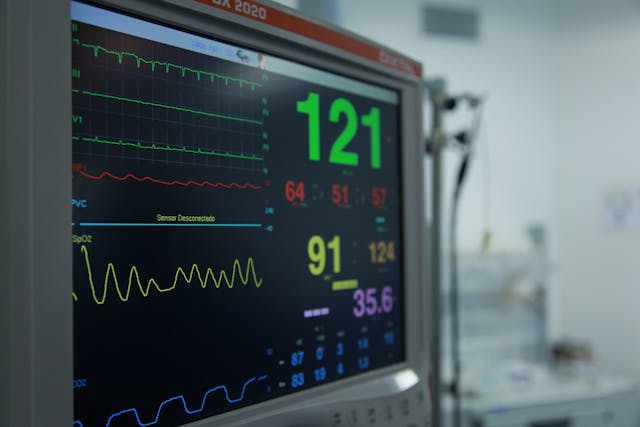
Photo by CARLOSCRUZ ARTEGRAFIA: https://www.pexels.com/photo/vital-signs-monitor-in-close-up-photography-11198232/
SHARE

A healthy heart is not only defined by its strength or regularity, but also by its capacity to adapt. This adaptability manifests in the subtle complexity of each heartbeat, which responds dynamically to internal physiological demands and shifts in the external environment. Researchers at Mass General Brigham have introduced a novel technique for measuring this complexity in pulse rates, using data collected through wearable pulse oximetry technology. Their innovative method, detailed in the Journal of the American Heart Association, offers a more nuanced view of cardiac health than traditional heart rate variability metrics. Intriguingly, the study also establishes a connection between reduced pulse rate complexity and an increased risk of cognitive decline in older adults.

“Heart rate complexity is a hallmark of healthy physiology,” explained Dr Peng Li, senior author of the study and a researcher in the Department of Anaesthesia, Critical Care and Pain Medicine at Massachusetts General Hospital (MGH). He also holds a position in the Division of Sleep and Circadian Disorders at Brigham and Women’s Hospital (BWH), both founding institutions of the Mass General Brigham healthcare network. “Our hearts must maintain a delicate balance between responsiveness and stability, dynamically adjusting to both internal signals and external stressors,” underscoring the physiological significance of heartbeat complexity as a biomarker for overall health.

The researchers employed data from 503 elderly participants (average age 82, 76% of whom were women) enrolled in the Rush Memory and Aging Project, a long-standing and well-regarded cohort study. They analysed pulse rate data recorded overnight using the Itamar WatchPAT 300—a fingertip-worn oximetry device—alongside comprehensive cognitive assessments conducted contemporaneously and during follow-up visits up to 4.5 years. This longitudinal design allowed the researchers to track cognitive trajectories regarding baseline heart function over time.

Their findings were striking. Participants who exhibited greater baseline complexity in their pulse rates tended to experience slower cognitive decline over the ensuing years. This relationship held even when conventional markers of heart rate variability failed to predict similar outcomes, suggesting that the newly developed metric is more sensitive in capturing aspects of cardiac function relevant to brain health. These results indicate a potential shift in how cardiovascular indicators assess neurological risk, particularly in ageing populations.

Looking ahead, the research team intends to investigate whether this pulse rate complexity measure can be an early predictor of dementia. Should such a link be confirmed, the technique could prove invaluable in identifying individuals at heightened risk during preclinical stages of cognitive impairment, when therapeutic intervention might be most effective. This could represent a significant advance in preventive strategies aimed at delaying or mitigating the progression of neurodegenerative conditions such as Alzheimer’s disease.

“Our findings highlight the value of this new approach as a non-invasive indicator of how flexibly the heart responds to input from the nervous system,” said Dr Chenlu Gao, lead author of the study and fellow researcher at MGH. “Its utility extends beyond mere cardiac assessment—it opens a window into understanding the complex interplay between heart health and cognitive ageing.” The development of such metrics could pave the way for a more integrated view of physiological wellbeing in later life, recognising the interdependence of cardiovascular and neurological systems in maintaining quality of life across the ageing process.

More information: Chenlu Gao et al, Reduced Complexity of Pulse Rate Is Associated With Faster Cognitive Decline in Older Adults, Journal of the American Heart Association. DOI: 10.1161/JAHA.125.041448

Journal information: Journal of the American Heart Association Provided by Mass General Brigham

TAGGED:cardiac functioncognitionheart rate
Share This Article
Email Copy Link Print
Previous Article Study Uncovers Wide Life Expectancy Variations Across U.S. States
Next Article Dementia on the Rise in China at an Unusual Pace
Leave a Comment

Leave a Reply Cancel reply

Your email address will not be published. Required fields are marked *

Recent Posts

  • Researchers uncover links between infection and ageing through cellular senescence mechanisms
  • Study finds possible connection between brain injuries and suicide risk
  • Nearly 1.6 Million Adults in the UK Turned to Weight Loss Drugs Last Year
  • Targeting senescent brain cells may offer new ways to ease epilepsy symptoms
  • Do circadian rhythms play a role in dementia risk?

Tags

adolescents adverse effects ageing populations aging populations air pollution alzheimer disease amyloids anxiety artificial intelligence atopic dermatitis behavioral psychology biomarkers blood pressure body mass index brain cancer cancer research cardiology cardiovascular disease cardiovascular disorders caregivers children climate change effects clinical research coffee cognitive development cognitive disorders cognitive function cognitive neuroscience cohort studies COVID-19 dementia depression diabetes diets discovery research disease control disease intervention disease prevention diseases and disorders environmental health epidemiology foods food science gender studies geriatrics gerontology gut microbiota health and medicine health care health care costs health care delivery heart disease heart failure home care human brain human health hypertension inflammation insomnia life expectancy life sciences longitudinal studies memory disorders menopause mental health metabolic disorders metabolism mortality rates neurodegenerative diseases neurological disorders neurology neuroscience nursing homes nutrients nutrition obesity older adults parkinsons disease physical exercise population studies preventive medicine psychiatric disorders psychological science psychological stress public health research impact risk assessment risk factors risk reduction skin sleep sleep apnea sleep disorders social interaction social research socioeconomics stress management type 2 diabetes weight loss
January 2026
S M T W T F S
 123
45678910
11121314151617
18192021222324
25262728293031
« Dec    

This website is for information purpose only and is in no way intended to replace the advice, professional medical care, diagnosis or treatment of a doctor, therapist, dietician or nutritionist.

About | Contact | Cookie Policy | Digital Millennium Copyright Act Notice | Disclaimer | Privacy Policy | Terms of Service

You Might Also Like

Wellness

Video game enthusiasts across the globe could be jeopardizing their hearing permanently or facing the risk of tinnitus

By support
Wellness

Rising Use of Ozempic and Wegovy Among Privately Insured Patients Could Exacerbate Health Disparities

By support
Wellness

Root microbes could hold the key to improving the taste of tea

By support
Wellness

Strength Training Could Be the Most Effective Exercise for Combating Insomnia in the Elderly

By support
Living Well Study
Categories
  • Ageing Well
  • Brain Health
  • Healthy Diets
  • Mental Wellness
  • Physical Wellness
  • Wellness
LivingWellStudy
  • About
  • Contact
  • Cookie Policy
  • Digital Millennium Copyright Act Notice
  • Disclaimer
  • Privacy Policy
  • Terms of Service
Welcome Back!

Sign in to your account

Username or Email Address
Password

Lost your password?