Monthly Archives: June 2024

Recommendation on interventions for preventing falls in older adults residing in the community

The U.S. Preventive Services Task Force (USPSTF) strongly advocates exercise interventions as a primary measure to prevent falls among community-dwelling adults aged 65 years and older with an elevated risk of falling. Additionally, the USPSTF suggests that clinicians tailor the decision to provide multifactorial interventions for fall prevention to this same demographic group. The recommendation underscores the importance of considering individual circumstances, including the frequency of prior falls, the presence of concurrent medical conditions, and the patient’s values and preferences when evaluating the appropriateness of such interventions.

Existing evidence highlights that while multifactorial interventions for fall prevention offer some benefits, the overall net benefit remains modest. Therefore, patients, as active participants in their healthcare, and healthcare providers should carefully weigh the potential advantages and drawbacks before opting for these interventions. Factors such as the severity and frequency of previous falls, chronic health conditions, and the patient’s unique preferences should guide decisions about implementing multifactorial fall prevention strategies.

Falls represent a significant public health concern among older adults in the United States, contributing significantly to injury-related morbidity and mortality. Given this impact, the USPSTF continuously evaluates and updates its recommendations regarding the effectiveness of preventive healthcare services. This latest recommendation, replacing the 2018 guideline, reflects the Task Force’s ongoing commitment to enhancing the quality of preventive care for older adults at risk of falls.

More information: Wanda K. Nicholson et al, Interventions to Prevent Falls in Community-Dwelling Older Adults, JAMA. DOI: 10.1001/jama.2024.8481

Journal information: JAMA Provided by JAMA Network

Reconsidering the Care of Patients Admitted for Social Reasons

The categorisation of vulnerable hospital patients as “socially admitted” has been identified as potentially obstructing their medical treatment, as indicated by recent research published in the Canadian Medical Association Journal (CMAJ). Emergency departments often serve as a last resort for socially vulnerable individuals who, despite not presenting with acute or newly arising medical conditions, demonstrate remarkable resilience in seeking care due to a breakdown in support systems or the inability of themselves or their families to manage home-based living conditions. Such individuals are colloquially referred to as “social admissions,” and various labels such as “orphan patient” or “failure to cope” have been applied to them.

Dr. Jasmine Mah, an internal medicine resident focusing on geriatrics at Dalhousie University in Halifax, Nova Scotia, and co-authors highlight that “social admission” remains an under-researched area within healthcare. These patients, often perceived by healthcare providers as not acutely ill, face significantly higher in-hospital mortality rates ranging from 22.2% to 34.9%. Contributing factors may include under-triaging in emergency departments due to inadequate recognition of atypical clinical presentations and delays in timely assessments.

Moreover, there is a risk of misdiagnosis or the development of acute illnesses during hospitalisation. Researchers conducted a qualitative study exploring healthcare providers’ perspectives on “social admissions” in Nova Scotia to gain deeper insights into this patient category. They identified nine overarching themes, including stigma, prejudices such as ageism, wait lists, and other factors influencing perceptions and approaches towards caring for these patients.

The authors emphasise the detrimental impact of labelling patients as “socially admitted” or “orphan patients” (as described in the study hospital), citing instances where such labels lead to incorrect assumptions about medical needs and cognitive abilities. This, in turn, hinders efforts to identify and treat underlying medical issues promptly.

The study reveals that such labelling adversely affects patient health and undermines healthcare providers’ morale. Many providers express conflicted feelings about delivering care to these patients, often feeling that others should handle such care. This attitude risks relegating the care of “socially admitted” patients to team members who may lack sufficient experience in recognising evolving medical conditions or advocating effectively for clinical reassessments when necessary. This hierarchical approach underscores a detachment from the specific needs of this patient demographic.

In response to these findings, the authors passionately advocate for structural reforms within healthcare systems to enhance care delivery for vulnerable populations. They call for a reconsideration of current organisational structures and hierarchies, aiming to eliminate barriers that impede optimal care for socially vulnerable individuals. By doing so, they believe that we can create a healthcare system that is more inclusive, compassionate, and effective in meeting the needs of all patients.

In a related editorial published in CMAJ, Dr Catherine Varner, a deputy editor and emergency medicine physician, along with co-authors Dr Andrew Boozary, a primary care physician, and Dr Andreas Laupacis, editor of CMAJ, argue for a reframing of the issue as a policy failure rather than a personal one. They criticise policies such as Ontario’s alternate level of care policies, which penalise hospitals and patients for occupying beds despite no longer requiring acute care. Such punitive measures, they argue, not only cause distress among patients, families, and providers but also fail to address the root causes of hospital overcrowding.

Instead, they propose embedding collaborative and supportive programmes within healthcare settings, such as multidisciplinary geriatric teams in emergency departments and health teams dedicated to supporting vulnerable populations. These initiatives aim to enhance the management of frail older patients and provide comprehensive support to socially vulnerable individuals, restoring dignity and improving outcomes in healthcare delivery.

Ultimately, the authors stress the paramount importance of addressing structural factors contributing to health disparities as systemic failures rather than individual shortcomings. They call for a paradigm shift towards policies that not only address the complex needs of vulnerable patient populations but also uphold and restore human dignity. This, they argue, is the key to alleviating moral distress among healthcare providers and improving overall healthcare outcomes.

More information: Jasmine C. Mah et al, Managing “socially admitted” patients in hospital: a qualitative study of health care providers’ perceptions, Canadian Medical Association Journal. DOI: 10.1503/cmaj.231430

Journal information: Canadian Medical Association Journal

Implementing Mindfulness Practices in the Workplace to Mitigate Stress and Burnout

A groundbreaking study by researchers at the University of Nottingham’s Schools of Psychology and Medicine has revealed compelling evidence of the relationship between mindfulness and well-being in the digital workplace. The study, based on responses from 142 employees, found that those who practice mindfulness in their digital work environments experience a significant reduction in stress, anxiety, and overload. Published in PLOS ONE, these findings underscore the crucial role of mindfulness in managing the challenges of modern work settings.

Leading the research from the School of Psychology, PhD student Elizabeth Marsh spearheaded a study that aimed to understand the impact of digital technology on individuals’ health and propose effective strategies. Marsh’s insights, “As digital technology increasingly shapes our work, our study aimed to understand its health implications and identify strategies. Our results underscore the need for integrating digital mindfulness and confidence into a healthy digital work-life balance in the 21st century.” This underscores the importance of promoting mindfulness practices in organisations to support employee well-being in the face of digital advancements.

Survey respondents shared perspectives on the challenges posed by the digital workplace, including stress, overload, anxiety, fear of missing out, and addiction, and how these factors influence their health. The study revealed that employees with higher digital confidence exhibited lower susceptibility to digital workplace anxiety. Moreover, those demonstrating elevated levels of mindfulness showed greater resilience against these adversities. Insights from 14 interviews further highlighted how cultivating digital mindfulness can safeguard well-being, presenting a promising avenue for intervention.

Dr. Alexa Spence, Associate Professor of Psychology, highlighted the role of digital workplace technologies in exacerbating employees’ stress perceptions. “Technologies like e-mail, instant messaging, and mobile devices contribute significantly to employees’ stress perceptions,” she observed. “The rapid evolution of the digital workplace can heighten stress levels and potentially lead to burnout and deteriorating health.” This underscores the urgency for organisations to confront digital technology challenges and implement strategies to mitigate their impact on employee well-being.

Mindfulness, defined as intentional and non-judgmental present-moment awareness, emerges as a critical factor in alleviating the negative effects of the digital workplace. Employees with higher mindfulness levels demonstrate reduced vulnerability to the adverse impacts of digital work environments. Professor Elvira Perez Vallejos, a leading authority in Digital Technology for Mental Health, reiterated the implications of the research, stating, “Organisations must actively address digital workplace hazards alongside other psychosocial and physical risks. Fostering mindful awareness among employees engaged in digital work has immense potential to enhance overall well-being.” This underscores the transformative potential of mindfulness interventions in bolstering employee resilience and well-being in the digital era, offering a beacon of optimism for the future.

More information: Elizabeth Marsh et al, Mindfully and confidently digital: A mixed methods study on personal resources to mitigate the dark side of digital working, PLoS ONE. DOI: 10.1371/journal.pone.0295631

Journal information: PLoS ONE Provided by University of Nottingham

Study Reveals Accelerated Ageing of Specific Brain Cells Linked to Alzheimer’s Disease

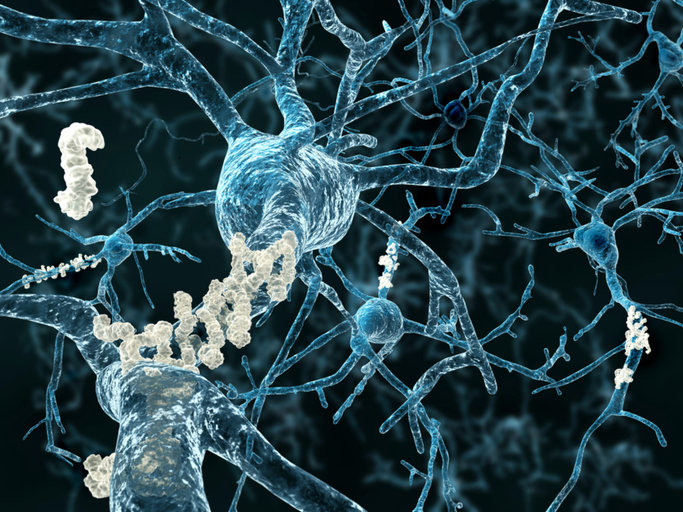
University of California San Diego engineers have uncovered significant insights into brain cell aging and its implications for Alzheimer’s disease. Their research, published in Nature, utilised the revolutionary MUSIC (multinucleic acid interaction mapping in single cells) technique. This groundbreaking approach delved into the molecular complexities within individual brain cells, offering unprecedented insights into how these dynamics change as brain cells age.

The study, spearheaded by Professor Sheng Zhong from the UC San Diego Jacobs School of Engineering, highlighted a striking finding: specific brain cells exhibit accelerated ageing processes, particularly in individuals affected by Alzheimer’s disease. Notably, the research unveiled sex-specific disparities in ageing patterns, with the female cortex demonstrating a higher prevalence of “old” oligodendrocytes compared to “old” neurons, contrasting with observations in the male cortex.

MUSIC proved instrumental in these discoveries by enabling researchers to analyse postmortem brain samples, specifically from human frontal cortex tissues. Samples were sourced from 14 donors aged 59 years and older, encompassing Alzheimer’s-afflicted individuals and healthy counterparts. This meticulous analysis revealed distinct patterns of chromatin-RNA interactions across various brain cell types. Remarkably, cells exhibiting fewer short-range chromatin interactions tended to show signs of ageing and Alzheimer’s disease pathology.

“This transformative single-cell technology allowed us to identify discrepancies in cellular ageing,” remarked Professor Zhong, underscoring how Alzheimer’s patients displayed more of these aged brain cells than healthy controls.

The implications of this research are profound, suggesting potential avenues for targeted therapeutic interventions. By identifying dysregulated genes within these aged cells and elucidating their roles in local chromatin structures, researchers hope to pinpoint novel therapeutic targets. Xingzhao Wen, a bioinformatics Ph.D. candidate involved in the study, underscored the potential of these findings: understanding the functions of these dysregulated genes could pave the way for innovative treatments aimed at mitigating brain aging and combating neurodegenerative diseases.

Moreover, the study illuminated gender-specific nuances in brain cell ageing dynamics. In female mice, the cortex exhibited a disproportionately higher ratio of aged oligodendrocytes relative to aged neurons. Oligodendrocytes play a crucial role in neuronal insulation and function maintenance; thus, their increased prevalence in an aged state could potentially exacerbate cognitive decline and contribute to heightened susceptibility to neurodegenerative disorders among women. This finding underscores the urgency of addressing gender disparities in neurodegenerative diseases.

“This finding sheds new light on the elevated risks of neurodegenerative conditions observed in women,” noted Wen, highlighting the need for further research to elucidate the underlying mechanisms driving these sex-specific disparities.

Looking ahead, the team aims to refine the MUSIC technique further to identify specific regulatory genes and gene circuits responsible for accelerated ageing in distinct brain cell populations. By understanding these mechanisms in greater detail, they hope to devise strategies to mitigate brain ageing and develop targeted therapies for Alzheimer’s disease and related conditions.

The implications of this research are profound, offering a new paradigm for understanding brain ageing and neurodegenerative diseases. By harnessing the power of MUSIC and similar cutting-edge technologies, scientists are poised to unlock unprecedented insights into the molecular underpinnings of Alzheimer’s disease, potentially transforming how we diagnose, treat, and ultimately prevent cognitive decline associated with ageing. Professor Zhong aptly summarised, “This technology has the potential to revolutionise our understanding of Alzheimer’s pathology and pave the way for personalised therapeutic strategies aimed at improving patient outcomes.”

More information: Xingzhao Wen et al, Single-cell multiplex chromatin and RNA interactions in ageing human brain, Nature. DOI: 10.1038/s41586-024-07239-w

Journal information: Nature Provided by University of California San Diego

Enhanced Walking Ability in Peripheral Artery Disease Patients with Over-the-Counter Supplement

The over-the-counter supplement nicotinamide riboside, a type of vitamin B3, demonstrated significant improvement in walking endurance for patients with peripheral artery disease (PAD), a chronic condition of the legs with limited effective treatments. A preliminary, randomised, double-blind clinical trial by scientists from Northwestern University and the University of Florida revealed that participants who took nicotinamide riboside daily for six months increased their timed walking distance by more than 57 feet compared to those on a placebo. In contrast, participants on the placebo experienced a decline in walking speed, consistent with the progressive nature of PAD affecting walking performance.

“This study suggests nicotinamide riboside could be beneficial for these patients,” noted Christiaan Leeuwenburgh, PhD, a senior author of the trial report and a professor at the University of Florida specialising in physiology and ageing. The collaboration with Mary M. McDermott, M.D., a professor at Northwestern University and an expert in PAD, involved a comprehensive team effort, and their findings were published in the journal Nature Communications on June 13.

Ninety participants, with an average age of 71 and diagnosed with PAD, were recruited for the study to evaluate the effects of nicotinamide riboside. While the supplement has gained popularity in anti-ageing treatments, with U.S. sales exceeding $60 million in 2022, its benefits have been poorly supported by evidence in healthy individuals. Nicotinamide riboside is a precursor to NAD, an essential compound in energy production, enhanced blood flow, and DNA repair processes within the body.

Given that PAD hampers energy generation in muscle cells, McDermott and Leeuwenburgh hypothesised that nicotinamide riboside’s capacity to boost energy production could alleviate walking difficulties associated with the disease. The results supported their hypothesis, demonstrating that participants who adhered to the supplement regimen saw an average increase of 23 feet in their six-minute walking test over six months, while those on placebo experienced a decline of 34 feet. Participants who consistently took at least 75% of the prescribed nicotinamide riboside pills achieved even more significant improvements, adding over 100 feet to their walking distance compared to placebo recipients.

PAD affects more than 8.5 million Americans aged 40 and older, primarily due to arterial fatty deposits compounded by conditions like diabetes and smoking, leading to reduced blood flow to the legs and resultant pain during walking. While supervised walking exercise is the primary therapy for PAD, access to such programmes remains limited for most patients.

Looking ahead, Leeuwenburgh aims to expand their research with more extensive trials focused on PAD patients and to investigate nicotinamide riboside’s impact on walking performance in healthy older adults. “Before recommending nicotinamide riboside for healthy individuals, we must first test its effects in this population,” he emphasised, highlighting the need for further exploration into its broader potential benefits beyond disease-specific contexts.

More information: Mary M. McDermott et al, Nicotinamide riboside for peripheral artery disease: the NICE randomized clinical trial, Nature Communications. DOI: 10.1038/s41467-024-49092-5

Journal information: Nature Communications Provided by University of Florida

AI-Powered Portable Thermal Imaging for Breast Cancer Pre-Screening

Breast cancer poses significant global health challenges for women, with increasing incidence and mortality rates. Access to mammography screening and diagnosis remains limited, particularly in low- and middle-income countries. This retrospective study evaluated a breast cancer pre-screening solution (BCPS) using a commercially available smartphone with a thermal imaging sensor powered by artificial intelligence. The study aimed to assess the BCPS tool’s performance compared to mammography, the established gold standard for initial breast cancer screening.

Conducted at the Erebouni Medical Center Breast Unit in Armenia over six months, the evaluation involved 478 women, 45 of whom were diagnosed with breast cancer post-biopsy. Participants underwent screening with the BCPS before standard breast screening. Mammography results confirmed malignancy, serving as ground truth for comparison with BCPS AI results.

When combined with patient-reported or clinical symptoms, the BCPS tool achieved 89% sensitivity and 83% specificity compared to mammography. Without clinical or patient-reported symptoms, sensitivity decreased to 60%, while specificity increased to 88.2%.

This study demonstrates that the BCPS tool, leveraging a smartphone-based thermal imaging sensor and AI, aids early breast cancer detection, particularly where mammography is inaccessible. This is not just a technological advancement, but a beacon of hope for low- and middle-income countries, offering a pre-screening option for women who avoid mammography due to various reasons. Further research is warranted to validate these findings and explore additional applications, such as detecting pathological lymph nodes and comparing BCPS with other screening modalities like POCT, MRI, and CEM.

More information: Nerses Berberian et al, Evaluation of an AI-powered Portable Thermal Imaging Solution as a Pre-screening Tool for Breast Cancer, Cancer Screening and Prevention. DOI: 10.14218/CSP.2023.00034S

Journal information: Cancer Screening and Prevention Provided by Xia & He Publishing Inc.

Exploring the Restorative Effects of a Nature Walk on Attention and Cognitive Function

Research conducted by psychology researchers from the University of Utah is adding empirical weight to what American authors John Muir and Henry David Thoreau espoused over a century ago: Spending time in natural surroundings not only nourishes the heart and soul but also benefits cognitive function. Amy McDonnell and David Strayer are at the forefront of this research, which utilises electroencephalography (EEG) to measure participants’ attentional capacity in natural versus urban settings.

Published in Scientific Reports, their study conducted at the university’s Red Butte Garden reveals that a walk in nature enhances executive control processes in the brain beyond the benefits typically associated with exercise alone. This finding contributes significantly to the growing scientific literature on how natural environments positively impact physical and mental health. Reflecting this increasing interest, the University of Utah has established the Nature and Human Health Utah research group to explore these themes further and propose practical solutions.

The researchers suggest that humans have a deep-seated affinity for nature rooted in our evolutionary history—a concept known as biophilia. This innate connection is increasingly threatened by dense urban environments characterised by constant technological stimuli such as cell phones, cars, and computers. According to Strayer, the modern urban jungle contrasts sharply with the therapeutic qualities of natural settings, highlighting a critical need to preserve access to nature for public health.

Strayer, a psychology professor known for his previous work on multitasking and distracted driving, has spent the last decade investigating how nature influences cognitive processes. McDonnell, who conducted the latest research as part of her doctoral dissertation, continues this line of inquiry as a postdoctoral fellow at the University of Utah. Their study, conducted in 2022 at Red Butte Garden, involved 92 participants who underwent EEG recordings before and after a 40-minute walk.

Participants first engaged in a mentally taxing cognitive task—counting backwards from 1,000 by sevens—to deplete their attentional reserves. They were then assigned either a nature walk through Red Butte or an urban walk through the university’s medical campus. The EEG data showed that those who walked in nature exhibited improved executive attention on subsequent tasks compared to those who walked in an urban environment. This improvement in executive control, essential for tasks requiring concentration and problem-solving, underscores the unique cognitive benefits of natural settings.

What distinguishes this study from much of the existing research in the field is its rigorous methodology, particularly its reliance on objective EEG data rather than subjective self-reports. EEG allowed the researchers to precisely map brain activity associated with attentional processes, revealing distinct enhancements in executive control among nature walkers.

McDonnell explained the technical aspects of their approach, detailing how each participant wore a cap fitted with electrodes to capture brain activity. This setup facilitated recording subtle electrical signals across the scalp, providing detailed brain maps highlighting the specific neural mechanisms influenced by environmental exposure.

While the study found significant benefits for executive control, particularly in the prefrontal cortex—an area critical for decision-making and problem-solving—it noted less pronounced effects on alertness and orientation. This specificity suggests that different components of attention may respond differently to environmental stimuli, an area ripe for further investigation.

Looking ahead, McDonnell and Strayer aim to refine their findings to identify which natural settings optimally enhance cognitive function and determine the necessary duration of exposure for maximal benefits. Their ultimate goal is to inform urban planning and design practices that promote mental and physical well-being by incorporating elements of natural environments.

Strayer emphasised the broader implications of their research, highlighting how understanding the cognitive benefits of nature could lead to innovative urban interventions. By integrating nature-inspired elements into urban landscapes, cities could support and enhance public health outcomes, counterbalancing the cognitive stresses imposed by modern urban living.

Continuing their work at Red Butte Garden, the researchers are investigating how cellphone use during walks may influence cognitive responses. Strayer views this ongoing research as complementary to his broader interest in distraction and attention, framing them as interconnected facets of mental functioning. He posits that while urban environments may overload cognitive resources, natural environments offer a refreshing reprieve, allowing the brain to reset and operate more efficiently.

McDonnell and Strayer’s research underscores the profound cognitive benefits of spending time in natural environments, supported by robust EEG evidence. Their findings not only validate the intuitive appeal of nature but also provide scientific insights that could reshape urban planning paradigms, fostering healthier and more resilient communities in an increasingly urbanised world.

More information: Amy S. McDonnell et al, Immersion in nature enhances neural indices of executive attention, Scientific Reports. DOI: 10.1038/s41598-024-52205-1

Journal information: Scientific Reports Provided by The University of Utah

Over 150,000 Deaths Linked to Heatwaves by 2019: First Global Mapping

A study led by Monash University has mapped global heatwave-related mortality from 1990 to 2019, revealing over 153,000 additional deaths per warm season, with nearly half occurring in Asia. The research, published in PLOS Medicine and led by Professor Yuming Guo, analysed daily death and temperature data from 750 locations across 43 countries. It found a significant increase in heatwave-related deaths, particularly in Southern and Eastern Europe, polar and alpine regions, and areas with higher incomes.

Comparing temperatures from 1850–1990 to 2013–2022, global surface temperatures have risen by 1.14℃, projected to increase by 0.41-3.41℃ by 2081–2100 due to climate change. This warming trend intensifies heatwaves in frequency, severity, and geographical spread. The study underscores that heatwaves contribute to a mortality burden averaging 236 deaths per ten million residents per warm season.

The study, which collaborated with Shandong University, the London School of Hygiene & Tropical Medicine, and other global institutions, highlights regional disparities in heatwave impacts. Tropical climates and lower-income regions saw a decline in heatwave-related mortality from 1990 to 2019. However, the findings stress the urgent need for tailored adaptation strategies and risk management at all government levels.

Professor Guo emphasises that while previous studies on heatwave-related deaths have been limited in scope, their research provides comprehensive evidence of significant global mortality impacts over the past three decades. Heatwaves induce severe thermal stress on the body, leading to organ dysfunction and heat-related illnesses like heat exhaustion, cramps, and stroke, exacerbating pre-existing chronic conditions and potentially causing premature death and psychiatric disorders.

More information: Qi Zhao et al, Global, regional, and national burden of heatwave-related mortality from 1990 to 2019: A three-stage modelling study, PLoS Medicine. DOI: 10.1371/journal.pmed.1004364

Journal information: PLoS Medicine Provided by Monash University

Understanding Immune Responses: Insights into COVID-19 Resistance among Certain Individuals

Scientists have recently unveiled significant insights into why some individuals avoid COVID-19 despite exposure to the virus. Published in Nature, this groundbreaking study, led by researchers from the Wellcome Sanger Institute, University College London (UCL), and Imperial College London, took a novel approach. Using single-cell sequencing, the study examined immune responses among healthy adult volunteers in the world’s first COVID-19 human challenge study. Unlike previous research focusing on symptomatic patients, this study concentrated on individuals with no prior COVID-19 history, offering a unique opportunity to observe immune responses in an immunologically naïve cohort. Participants were deliberately exposed to SARS-CoV-2 and monitored extensively, with detailed analyses conducted on blood and nasal samples using single-cell sequencing, generating a dataset encompassing over 600,000 individual cells.

Key findings from this study have highlighted previously unidentified immune responses involved in rapid virus detection and clearance. Individuals who successfully cleared the virus exhibited subtle innate immune responses rather than the typical widespread immune activation observed in severe cases. These responses included heightened activity of specific mucosal immune cells in the blood and decreased inflammatory white blood cells. Researchers also identified a gene, HLA-DQA2, crucial in preventing sustained viral infections among participants. Those with higher HLA-DQA2 activity levels before exposure showed enhanced resistance to the virus, establishing a foothold. These findings offer a promising potential for developing targeted therapies and vaccines that mimic these natural protective mechanisms.

In contrast, individuals who developed prolonged SARS-CoV-2 infections exhibited a rapid immune response in the blood but a slower response in the nasal passages, allowing the virus to persist locally. The study also identified common patterns in activated T cell receptors across participants, offering insights into immune cell communication crucial for developing targeted therapies. These insights enhance our understanding of COVID-19 immune responses and pave the way for potential treatments and vaccines that mimic natural protective mechanisms.

Dr Rik Lindeboom from the Netherlands Cancer Institute, a co-first author, underscored the significance of studying immune responses in adults encountering a new pathogen under controlled conditions. This approach enabled researchers to dissect immune responses without confounding factors like comorbidities or varied infection times. Dr Marko Nikolić, senior author from UCL and honorary consultant in respiratory medicine, highlighted the study’s contribution to elucidating early events determining virus clearance or establishment. The findings provide a comprehensive view of immune responses, which could inform the development of therapies targeting not only COVID-19 but other infectious diseases as well.

Dr Sarah Teichmann, senior author and co-founder of the Human Cell Atlas, highlighted the study’s relevance to mapping critical immune cells essential for combating infections. Integrated with ongoing Human Cell Atlas efforts, this knowledge promises to illuminate how different individuals respond to pathogens and vaccines. Shobana Balasingam from Wellcome’s Infectious Disease team noted the study’s importance in advancing our understanding of COVID-19 responses, particularly in differentiating natural and vaccine-induced immune reactions. The findings underscore the need for expanding such studies to diverse settings to develop tailored therapeutics and vaccines suitable for global populations, particularly those in low-resource environments where infectious diseases are endemic.

This study deepens our understanding of immune responses critical in COVID-19 prevention and lays the groundwork for future research into infectious disease dynamics and immune system interactions.

More information: Rik G. H. Lindeboom et al, Human SARS-CoV-2 challenge uncovers local and systemic response dynamics, Nature. DOI: 10.1038/s41586-024-07575-x

Journal information: Nature Provided by Wellcome Sanger Institute

Regular Consumption of Kimchi Linked to Reduced Obesity Risk

Kimchi, a beloved staple of Korean cuisine, is not just a dish, but a cultural icon. Its unique preparation involves the fermentation of vegetables like cabbage and radish, combined with seasonings such as onion, garlic, and fish sauce. This fermentation process not only preserves the vegetables but also enhances their nutritional value, making kimchi a low-calorie, high-fibre, and vitamin-rich food. The presence of microbiome-friendly lactic acid bacteria and beneficial polyphenols further contribute to its health benefits.

Recent experimental studies have spotlighted certain strains of bacteria found in kimchi, such as Lactobacillus brevis and L. plantarum, which exhibit potential anti-obesity effects. To explore this further, researchers investigated whether regular kimchi consumption might correlate with reduced risks of overall and abdominal obesity, both significant health concerns.

The data for this study were meticulously collected from the Health Examinees (HEXA) study, a robust research initiative involving a substantial sample size of 115,726 participants (36,756 men and 78,970 women, average age 51). This community-based, longitudinal study is part of the larger Korean Genome and Epidemiology Study, which aims to identify environmental and genetic factors influencing chronic conditions among Korean adults over 40. The comprehensive nature of this study ensures the reliability of the findings.

Participants’ dietary habits were assessed using a 106-item food frequency questionnaire, which captured their consumption patterns over the previous year. Various types of kimchi, including baechu (cabbage), kkakdugi (radish), Babak, dongchimi, and others, were quantified based on typical portion sizes.

Anthropometric measurements such as height, weight (used to calculate BMI), and waist circumference were recorded. Obesity was defined by a BMI exceeding 25, while abdominal obesity was indicated by waist circumferences of at least 90 cm for men and 85 cm for women. Notably, 36% of men and 25% of women in the study were classified as obese.

The study’s findings revealed a unique ‘J-shaped’ association between kimchi consumption and obesity. While higher kimchi consumption was associated with increased intake of energy, carbohydrates, protein, fat, sodium, and rice, moderate consumption showed significant benefits. Participants who consumed up to three daily servings of kimchi demonstrated an 11% lower prevalence of obesity compared to those consuming less than one serving daily. This ‘J-shaped’ association underscores the importance of moderation in kimchi consumption for health benefits.

Among men, consuming three or more daily servings of baechu kimchi was associated with a 10% lower prevalence of obesity and abdominal obesity. In women, consuming two to three daily baechu kimchi was linked to an 8% lower prevalence of obesity, while one to two servings correlated with a 6% lower prevalence of abdominal obesity.

Lower-than-average consumption of kkakdugi kimchi showed around a 9% lower prevalence of obesity in both sexes. Daily intake of 25 grams among men and 11 grams among women was associated with an 8% to 11% reduction in abdominal obesity risk compared to non-consumers.

The study’s observational nature precludes establishing causation, and limitations include potential inaccuracies in self-reported dietary intake and the study’s applicability primarily to Korean populations. Concerns over kimchi’s sodium content were noted, although the potassium content in fermented vegetables may mitigate these effects.

Researchers caution against excessive kimchi consumption due to its potential to increase obesity prevalence, particularly highlighting its role as a significant source of dietary sodium. They recommend moderate consumption to maximise the health benefits associated with its nutritional components.

More information: Hyein Jung et al, Association between kimchi consumption and obesity based on BMI and abdominal obesity in Korean adults: a cross-sectional analysis of the Health Examinees study, BMJ Open. DOI: 10.1136/bmjopen-2023-076650

Journal information: BMJ Open Provided by BMJ Group

Orienteering: A Powerful Ally Against Dementia, Enhancing Both Brain and Physical Health for Speedy Participants

The sport of orienteering, a unique blend of physical exercise and challenging navigation tasks, has the potential to offer more than just physical benefits, as recent research by kinesiologists at McMaster University suggests. This study indicates that the more intense the orienteering activity, the greater the cognitive benefits, potentially serving as a powerful tool in the fight against cognitive decline, dementia, and serious diseases such as Alzheimer’s. This research, a continuation of a 2023 study, delves into the mental effects of orienteering at various levels of intensity, offering a glimmer of hope for the future of cognitive health.

The researchers chose orienteering as their focus because it requires participants to rapidly navigate a series of checkpoints across unknown terrain using only a map and compass. Orienteering demands focused attention and quick decision-making based on spatial information, which engages the hippocampus—a part of the brain particularly vulnerable to age-related decline. Degeneration in the hippocampus can negatively impact learning, memory, and spatial cognition. “Remarkably, even a single session of orienteering improved spatial memory in our study participants,” says lead author Emma Waddington, a graduate student in the Department of Kinesiology at McMaster, who conducted the study with colleagues from Western University. “This suggests that even occasional participation in orienteering could enhance spatial abilities and potentially delay their decline with age.”

For the study, recently published in the journal PLOS One, groups of active, healthy young adults with no prior orienteering experience navigated a course on the McMaster campus. Some participants walked the course, while others ran. A control group exercised vigorously without any navigation tasks. Researchers used blood samples to measure participants’ lactate levels, an indicator of exercise intensity, and brain-derived neurotrophic factor (BDNF), which promotes brain plasticity. They also tested memory performance before and after the sessions. The findings showed that running increased lactate, BDNF, and memory performance more than walking, with notable benefits for spatial memory in those running while orienteering.

Losing the ability to navigate and find one’s way is among the earliest and most common symptoms of Alzheimer’s disease, affecting half of all individuals, even in the mildest stages. “With no known cure for dementia, preventative measures that can help stave off age-related cognitive decline are essential,” says Jennifer Heisz, Canada Research Chair in Brain Health and Aging at McMaster University, who supervised the research. Modern-day reliance on GPS-guided vehicles may mean that many people rarely use their natural wayfinding skills, potentially leading to deficits in spatial memory and a diminished sense of direction. Orienteering could help revive these skills, Heisz notes. Exploring the long-term effects of orienteering on human cognition and its impact across different age groups remains a vital area for future research.

More information: Emma E. Waddington et al, Orienteering combines vigorous-intensity exercise with navigation to improve human cognition and increase brain-derived neurotrophic factor, PLoS ONE. DOI: 10.1371/journal.pone.0303785

Journal information: PLoS ONE Provided by McMaster University

Early Life Heat and Cold Exposure: Effects on Brain White Matter Development

A recent study involving over 2,000 preadolescents suggests that exposure to heat and cold during early life may significantly impact the microstructure of white matter in the brain, particularly for children residing in economically disadvantaged neighbourhoods. Published in Nature Climate Change, the research underscores the vulnerability of foetuses and young children to extreme temperatures, highlighting implications for their long-term neurodevelopmental health. Led by the Barcelona Institute for Global Health (ISGlobal) and IDIBELL, in collaboration with Erasmus University Medical Center Rotterdam (ERASMUS MC) and the Centro de Investigación Biomédica en Red (CIBER), the study examines associations between temperature exposure and brain structure, using data from the Generation R Study in Rotterdam.

In the current climate emergency context, the study illuminates the alarming vulnerability of children to temperature fluctuations. Their developing thermoregulatory systems, still maturing during early life stages, make them particularly susceptible to these variations.

Mònica Guxens, a researcher at ISGlobal, Erasmus MC, and CIBERESP, explains, “The developing brain of foetuses and children is highly susceptible to environmental exposures. While preliminary evidence suggests that exposure to heat and cold can affect mental well-being and cognitive performance, studies evaluating structural brain changes due to these exposures are limited.”

The study, led by Guxens, focused on the white matter structure in preadolescent brains to pinpoint vulnerable periods to temperature exposure during early life. The researchers used advanced MRI techniques to assess brain connectivity by analysing water diffusion patterns in white matter. Specifically, they measured mean diffusivity and fractional anisotropy—markers of white matter maturation and integrity.

The findings reveal that exposure to cold during pregnancy and the first year of life and heat from birth to three years old correlated with higher mean diffusivity in preadolescents. This suggests slower maturation of white matter, which is crucial for efficient communication between brain regions. Laura Granés, IDIBELL and ISGlobal researcher and study first author, notes, “White matter fibres facilitate brain communication, and our study indicates that exposure to extreme temperatures may delay this process.”

The study highlights that the most significant changes in brain connectivity parameters occur during early childhood, underscoring the vulnerability of this developmental phase to environmental influences. Carles Soriano, co-author and researcher at IDIBELL, UB, and CIBERSAM, adds, “Our results suggest that temperature exposure during rapid brain development stages may have enduring effects on white matter microstructure.”

Interestingly, no association was found between early life temperature exposure and fractional anisotropy at ages 9-12. The researchers propose that mean diffusivity may provide a more reliable indicator of white matter development than fractional anisotropy.

Further analysis, stratified by socioeconomic status, revealed that children from poorer neighbourhoods exhibited heightened vulnerability to temperature exposure. These children showed similar susceptibility windows to cold and heat but starting earlier, possibly influenced by housing conditions and energy poverty.

Potential mechanisms linking temperature exposure to neurodevelopmental outcomes include disrupted sleep patterns, placental dysfunction, hormonal changes such as increased cortisol production, and inflammatory responses. Guxens underscores, “Our findings highlight the pressing need for robust public health strategies to protect vulnerable communities, particularly amidst ongoing climate challenges.”

The study’s findings underscore the critical impact of early life temperature exposure on brain development, emphasising the urgent need for targeted interventions and policy initiatives to safeguard children’s health in a changing climate landscape.

More information: Laura Granés et al, Early life cold and heat exposure impacts white matter development in children, Nature Climate Change. DOI: 10.1038/s41558-024-02027-w

Journal information: Nature Climate Change Provided by Barcelona Institute for Global Health