Monthly Archives: June 2024

Early-Onset Diabetes Linked to Higher Risk of Neurodegenerative Conditions in Later Life

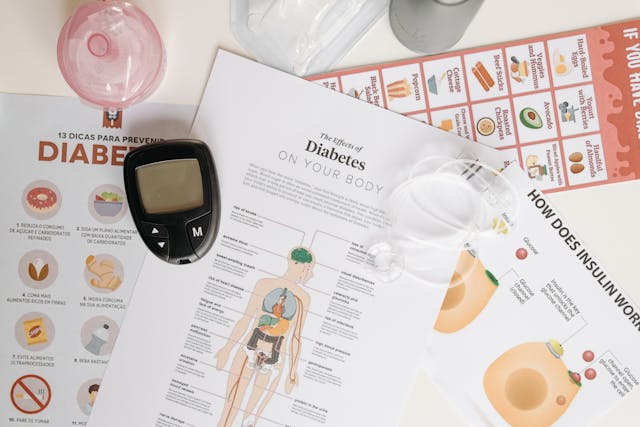
A recent investigation by researchers at the Lifecourse Epidemiology of Adiposity and Diabetes (LEAD) Center at the University of Colorado Anschutz Medical Campus reveals troubling findings regarding young people diagnosed with diabetes. Published in the journal Endocrines, the study highlights that individuals diagnosed with diabetes during childhood or adolescence, whether type 1 or type 2, may face a substantially increased risk of developing Alzheimer’s disease (AD) later in life.

Lead author Allison Shapiro, PhD, MPH, assistant professor of paediatrics and endocrinology at the University of Colorado School of Medicine, underscores the study’s findings. She notes that early indicators of neurodegeneration and AD pathology were detected through specific blood biomarkers in young adults with youth-onset diabetes. These preliminary results suggest a potential trajectory towards early-onset AD among individuals diagnosed with diabetes in their youth.

Traditionally, research linking AD and diabetes has concentrated on older adults aged 40 and above, where diabetes is known to correlate with a heightened risk of dementia and possibly AD. However, this study represents a departure by examining this association within a much younger demographic.

The study involved approximately 80 participants, including individuals with type 1 diabetes, type 2 diabetes, and those without diabetes. Participants with youth-onset diabetes were drawn from the SEARCH for Diabetes in Youth Study, a national registry and cohort study. Researchers utilised blood biomarkers and PET scans to investigate signs of neurodegenerative disease in these young adults.

Significantly, the study detected elevated levels of amyloid proteins, characteristic of AD, in the brains of young people with youth-onset diabetes. This finding underscores the potential for early brain changes associated with AD in individuals affected by diabetes from a young age.

The findings are particularly concerning in light of the rising prevalence of obesity and subsequent diabetes among young people in the United States. Shapiro emphasises that around 20% of young Americans are now obese, contributing to increased rates of diabetes and associated inflammation, which are implicated in a range of diseases, including AD.

Shapiro warns that the healthcare landscape may soon confront a surge in ageing-related diseases among younger demographics due to these trends. Despite AD traditionally being viewed as a disease of later life, Shapiro stresses that early life factors, including diabetes, may exert a significant influence on AD development.

Looking ahead, Shapiro and her colleagues at the LEAD Center and the University of Colorado Alzheimer’s and Cognition Center advocate for continued research funding to monitor these individuals as they age. Shapiro argues that longitudinal studies are crucial to deepening understanding of the risks and underlying mechanisms involved, offering insights for clinicians managing patients with youth-onset diabetes.

She also advocates incorporating cognitive testing into clinical care protocols for young people with diabetes, paralleling the approach already established for older adults. This proactive approach, Shapiro suggests, could enhance early detection and intervention strategies, potentially mitigating the cognitive impacts associated with youth-onset diabetes.

The study underscores the urgent need for heightened awareness and proactive healthcare strategies to address the potential long-term neurological implications of youth-onset diabetes, particularly AD.

More information: Allison L. B. Shapiro et al, Biomarkers of Neurodegeneration and Alzheimer’s Disease Neuropathology in Adolescents and Young Adults with Youth-Onset Type 1 or Type 2 Diabetes: A Proof-of-Concept Study, Endocrines. DOI: 10.3390/endocrines5020014

Journal information: Endocrines Provided by University of Colorado Anschutz Medical Campus

Lack of Improvement by Donepezil in Chemotherapy-Related Cognitive Impairment

Many breast cancer survivors experience cancer-related cognitive impairment following chemotherapy, with varying rates and severity. To explore potential treatments for this condition, researchers from Wake Forest University School of Medicine conducted a Phase III randomized, placebo-controlled trial focusing on donepezil, a medication commonly used to enhance cognition in Alzheimer’s patients.

The study, published in the Journal of Clinical Oncology, enrolled 276 breast cancer survivors from community oncology practices affiliated with the National Cancer Institute Community Oncology Research Program (NCORP). These participants had undergone at least four cycles of adjuvant chemotherapy and reported cognitive impairment and memory issues persisting from one to five years after completing chemotherapy. Recruitment took place between July 2017 and July 2021.

Participants were randomly assigned to receive either 5-10 mg of donepezil daily for 24 weeks or a placebo. Cognitive assessments were conducted before treatment initiation, at 12 weeks, and the end of the treatment period.

Lead author Stephen R. Rapp, Ph. D., a professor of psychiatry and behavioural medicine at Wake Forest University School of Medicine, revealed that the study did not find significant improvements in memory, other cognitive functions, or subjective functioning among those who received donepezil compared to those who received the placebo.

“While our findings do not support the use of donepezil for improving cancer-related cognitive impairment in breast cancer survivors post-chemotherapy, further research is essential,” commented Glenn Lesser, M.D., deputy director of the Atrium Health Wake Forest Baptist Comprehensive Cancer Center and senior author of the study. He emphasized the need for additional trials exploring different timing of medication administration, alternative medications or combinations thereof, and non-pharmacological interventions.

The Wake Forest NCORP Research Base at Atrium Health Wake Forest Baptist’s National Cancer Institute-designated Comprehensive Cancer Center played a pivotal role in this national effort. It is one of seven funded NCORP Research Program bases in the United States. This collaborative approach underscores the importance of community-based research in addressing the challenges faced by cancer survivors.

While donepezil did not demonstrate efficacy in improving cognitive function in breast cancer survivors with chemotherapy-related cognitive impairment in this trial, ongoing research efforts hold promise for identifying effective interventions to alleviate this challenging condition.

More information: Stephen R. Rapp et al, Phase III Randomized, Placebo-Controlled Clinical Trial of Donepezil for Treatment of Cognitive Impairment in Breast Cancer Survivors After Adjuvant Chemotherapy (WF-97116), Journal of Clinical Oncology. DOI: 10.1200/JCO.23.01100

Journal information: Journal of Clinical Oncology Provided by Atrium Health Wake Forest Baptist

Fans Alone Won’t Defeat the Heat!

As climate change intensifies the frequency and severity of heat waves, the search for safe and accessible cooling methods, especially for vulnerable populations like older adults, becomes increasingly urgent. While fans are often recommended as cost-effective and simple solutions, this study suggests their cooling benefits might be overestimated.

The research, led by post-doctoral fellow Robert Meade at the Human and Environmental Physiology Research Unit under the direction of Dr. Glen Kenny, a professor of physiology at the Faculty of Health Sciences, provides critical insights. Meade explains, “Fans do improve sweat evaporation, but this effect is not strong enough to significantly lower the body’s internal temperature in very hot conditions (above 33-35°C). In older adults, who may have a diminished ability to sweat, fans offer even less cooling benefit. In fact, even for younger adults, fans deliver only a small fraction of the cooling power that air conditioning provides.”

The study underscores the critical role of health organisations in advising against fan reliance during extreme heat, particularly for older adults and those at higher risk of heat stroke and other heat-related health issues. Instead, the focus should be increasing access to alternative cooling solutions, such as air conditioning, and exploring ways to make these options more accessible and environmentally sustainable.

Using “human heat balance” modelling techniques developed in 2015, the research team extended these models to estimate core temperature under various conditions. This approach allowed them to compare the expected effects of fan use across a wide range of scenarios. Meade notes, “Results from the 116,640 alternative models we produced in sensitivity analyses indicated that fans likely do not significantly reduce core temperature in high heat or match the cooling effectiveness of air conditioning. Comparisons with more advanced modelling techniques and laboratory heat wave simulations supported this conclusion.”

While fans can provide air circulation and may be effective in moderate temperatures, they are insufficient in extreme heat. Public health authorities have an essential role in this context. Meade emphasises, “Maintaining a cool indoor temperature is vital for vulnerable individuals, but strategies like air conditioning can be costly and environmentally damaging. It is crucial to improve the accessibility and sustainability of air conditioning and other forms of ambient cooling to protect those in need. Fans can still play a role in cooling at lower temperatures, reducing the need to set air conditioners to very low temperatures. However, in extreme heat, a fan alone is insufficient.”

This study underscores the need for more robust cooling strategies and highlights the limitations of fans in combating extreme heat, urging a shift towards more effective and sustainable solutions.

More information: Robert D Meade et al, A critical review of the effectiveness of electric fans as a personal cooling intervention in hot weather and heatwaves, The Lancet Planetary Health. DOI: 10.1016/S2542-5196(24)00030-5

Journal information: The Lancet Planetary Health Provided by University of Ottawa

Link Between Thiamine Intake and Mental Sharpness: Understanding the J-shaped Curve

Recent research published in the open-access journal General Psychiatry indicates a notable relationship between dietary thiamine (vitamin B1) and cognitive function among cognitively healthy older adults. Based on data from the China Health and Nutrition Survey involving 3,106 participants aged 55 and above, the study reveals a distinctive J-shaped curve in thiamine intake and its impact on mental acuity.

The study’s key findings underscore a critical threshold of 0.68 mg of thiamine per day. Below this level, there is minimal impact on cognitive function, while exceeding it is significantly associated with cognitive decline. The optimal range for maintaining cognitive function was found to be between 0.6 and less than 1 mg of thiamine per day.

Thiamine, an essential water-soluble vitamin crucial for energy metabolism and brain neurotransmitter activity, is commonly found in whole grains, fortified cereals, legumes, liver, and salmon. The study utilised detailed dietary data collected over several survey rounds, supplemented by 24-hour dietary recalls, to analyse nutrient intake using Chinese food composition tables.

Participants underwent cognitive assessments over six years, including tests for verbal memory, attention, and numerical fluency. The results demonstrated that higher thiamine intake above the optimal range was associated with a notable decline in cognitive scores over five years. Specifically, a 1 mg/day increase in thiamine intake correlated with a significant decrease in global cognitive and composite scores.

Interestingly, subgroup analyses revealed that these associations were more pronounced among individuals who were obese or had high blood pressure. However, further analysis indicated that smoking and high blood pressure did not significantly modify the observed effects.

The study divided thiamine intake into several levels to explore the broader implications. The lowest risk for cognitive decline was associated with an intake range of 0.6 to less than 1 mg/day. These patterns persisted even after adjusting for the intake of other B vitamins and dietary factors.

Despite these compelling findings, the study authors caution that their research is observational, meaning it cannot establish causation. They also acknowledge limitations, such as the reliance on 24-hour dietary recalls, which may not capture long-term dietary habits accurately. Additionally, the study focused exclusively on older adults in China, potentially limiting its generalisability to other populations.

The researchers propose that thiamine deficiency could disrupt neuronal energy supply and acetylcholine signalling in the brain, contributing to cognitive impairment. They stress the importance of further research to validate these findings and emphasise the significance of maintaining optimal thiamine intake to support mental health in older populations. This call for further research is particularly important given the study’s limitations and the potential for future work in this area.

While the study provides valuable insights into the relationship between thiamine intake and cognitive function, it also underscores the need for more research. This research is crucial to establish definitive dietary guidelines that can help mitigate cognitive decline in ageing populations worldwide, a significant concern for healthcare professionals and researchers.

More information: Chengzhang Liu et al, J-shaped association between dietary thiamine intake and the risk of cognitive decline in cognitively healthy, older Chinese individuals, General Psychiatry. DOI: 10.1136/gpsych-2023-101311

Journal information: General Psychiatry Provided by BMJ Group

Traumatic Brain Injury Affects One in Every Eight Elderly Americans

A recent study conducted by UC San Francisco alongside the San Francisco VA Health Care System has revealed that approximately 13% of older adults are diagnosed with traumatic brain injury (TBI). This figure highlights the vulnerability of this population to such injuries. Typically, these injuries arise from falls from ground level. The research involved monitoring around 9,200 Medicare enrollees, who had an average age of 75 at the beginning of the study. The findings, which will be published in JAMA Network Open on May 31, 2024, present some surprising contrasts to earlier studies focused on younger demographics.

Interestingly, the study found that being female, white, in better health, and of a higher socio-economic status increased the risk of TBI among older adults. This marks a departure from earlier research, which typically found higher incidences of TBI in males, non-whites, and those from lower socio-economic backgrounds. In this study, of the 1,148 participants who experienced a TBI, 64% were female, and 89% were white. Furthermore, a significant portion of these individuals were among the wealthiest, with 31% belonging to the highest wealth quartile.

The researchers, led by Erica Kornblith, PhD, of the UCSF Department of Psychiatry and the San Francisco VA Health Care System, speculated that the more active lifestyles of healthier, wealthier seniors might expose them to more significant risks for TBI. Their findings also suggested that older adults with more robust health at the study’s outset were more likely to engage in activities that could lead to falls, the predominant cause of TBI in this group. Conversely, those who were less mobile or had cognitive impairments had fewer opportunities to sustain such injuries.

This study’s findings challenge some established notions about the demographic patterns of TBI in older people, highlighting that even relatively healthier and wealthier people are not immune to these risks. Moreover, the results underscore the importance of developing targeted guidelines for post-discharge care and ongoing research into preventing repeat injuries and TBI-related dementia among this growing segment of the population.

Senior author Raquel Gardner, MD, emphasized the need for evidence-based strategies to manage the care of the large number of elderly individuals with TBI, particularly in light of their potential to develop severe conditions such as dementia, Parkinson’s disease, seizures, cardiovascular disease, and psychiatric conditions including depression and anxiety.

The implications of these findings are significant, particularly at a time when physical activity is strongly advocated as a means to mitigate or delay the onset of dementia in the elderly. While the benefits of physical activity are well-documented in terms of neuroprotection, this study highlights the need for balanced approaches that enhance safety and reduce the likelihood of falls among older adults, especially as they age and experience physical or cognitive decline. This nuanced understanding of TBI risk factors among older adults calls for a recalibration of health and safety protocols to better accommodate the complexities of ageing in today’s sociopolitical and healthcare environments.

More information: Erica Kornblith et al, Incidence of Traumatic Brain Injury in a Longitudinal Cohort of Older Adults, JAMA Network Open. DOI: 10.1001/jamanetworkopen.2024.14223

Journal information: JAMA Network Open Provided by University of California – San Francisco

Enhancing Caregiver Wellbeing through Supervised Physical Exercise

The caregiving demographic primarily comprises older and middle-aged women from the working class. They face a high prevalence of lower back pain that can lead to psycho-affective issues and a diminished quality of life. Addressing the needs of these caregivers has long been a societal concern. Researchers from the Ageing On group at the University of the Basque Country (UPV/EHU) took on the challenge of supporting these caregivers, asking themselves: “How can we best care for those who care?”

The Ageing On group, known for developing physical exercise programmes to maintain the functional abilities of older adults, recognised a parallel need among caregivers. Ana Rodriguez-Larrad, a researcher involved in the initiative, noted, “We realised that caregivers of the elderly, who often suffer from high rates of lower back pain, could benefit significantly from tailored physical exercise programmes to improve their well-being.” Over several years, interventions were meticulously designed and evaluated, targeting factors crucial to caregivers’ well-being.

“We studied over 200 caregivers to pinpoint their challenges and identify effective solutions,” explained Rodriguez-Larrad. Drawing from this research, the team piloted a programme to alleviate lower back pain among six organisations’ staff. Ander Espin-Elorza, another researcher involved, detailed the programme’s structure: “Over twelve weeks, participants engaged in team-based exercises incorporating simple strength routines using body weight and resistance bands. The training was progressively tailored to each individual, focusing on moderate intensity levels.”

The tailored physical exercise program yielded promising results. Participants experienced a significant reduction in lower back pain by the end of the program. Those who attended at least half of the sessions reported improvements in psycho-affective aspects, including reduced depression risk, decreased reliance on hypnotic and anti-anxiety medications, and an overall enhancement in their quality of life. While subsequent assessments conducted 48 weeks post-program indicated a slight decrease in the benefits related to lower back pain, the findings underscored the importance of sustained physical exercise for long-term well-being maintenance.

The Ageing On group’s unique approach to supporting the wellbeing of caregivers, a group often overlooked in discussions about elderly care, is a testament to their innovative thinking and dedication to the cause. By adapting their expertise in physical exercise for older adults to meet the specific needs of caregivers, the researchers have not only alleviated physical discomfort but also addressed psycho-affective challenges that significantly impact quality of life. This holistic approach underscores the value of ongoing support and tailored interventions in enhancing the lives of those who devote themselves to caring for others.

More information: Ander Espin et al, Videoconference-Supervised Group Exercise Reduces Low Back Pain in Eldercare Workers: Results from the ReViEEW Randomised Controlled Trial, Journal of Occupational Rehabilitation. DOI: 10.1007/s10926-024-10182-2

Journal information: Journal of Occupational Rehabilitation Provided by University of the Basque Country

Quick Five-Minute Assessment Enhances Dementia Care in Primary Settings

The challenge of underdiagnosing dementia, particularly among Black and Hispanic populations, remains a significant issue in healthcare. A groundbreaking study recently published in Nature Medicine introduces a straightforward, five-minute test that, combined with tailored recommendations integrated into electronic medical records, has led to a threefold increase in the diagnosis and management of dementia in a primary care setting compared to a control group. This new method, known as the “5-Cog paradigm,” was developed by experts at the Albert Einstein College of Medicine and the Montefiore Health System. It has markedly improved the identification and initial treatment of mild cognitive impairment and dementia.

Joe Verghese, M.B.B.S., the study’s senior author and the creator of the 5-Cog paradigm, highlighted the persistent issue of undiagnosed dementia within primary care environments, noting that even when it is identified, it often remains untreated. He explained that traditional methods for detecting cognitive impairment are time-consuming and costly and generally require a neurologist’s involvement. Moreover, since existing assessments were primarily designed for white populations, they fail to accommodate cultural nuances. The 5-Cog paradigm was designed to overcome these limitations, offering a culturally sensitive, efficient, and cost-effective diagnostic tool.

Dr Verghese, a professor and director of the division of cognitive and motor ageing at the Saul R. Korey Department of Neurology and several other prestigious positions at Einstein and Montefiore, alongside Emmeline Ayers, M.P.H., who is the last author of the paper and a principal staff scientist in the department, have significantly contributed to this advancement. The 5-Cog assessment includes a picture-based memory impairment screening, a symbol-matching task, and verification of cognitive complaints by the patient, making it a tool that can be effectively administered by minimally trained non-physician personnel. These staff members can then quickly relay critical information to primary care providers.

The research encompassed 1,201 older adults from socioeconomically disadvantaged neighbourhoods in the Bronx, with a median age of 72.8, most of whom were Black or Hispanic/Latino. Participants were randomly assigned to receive the 5-Cog assessment or placed in a control group without testing. Results from a 90-day follow-up showed that individuals assessed with the 5-Cog paradigm were three times more likely to experience enhanced dementia care actions. These included receiving new diagnoses of mild cognitive impairment or dementia, referrals to specialists, and appropriate medication.

Dr. Verghese expressed optimism that the study’s findings could lead to significant changes in primary care practices, enhancing the diagnosis and treatment of older individuals with mild cognitive impairment or dementia. This advancement promises to improve the quality of life for many patients and reduce the long-term healthcare burdens associated with untreated mental disorders.

More information: Joe Verghese et al, Non-literacy biased, culturally fair cognitive detection tool in primary care patients with cognitive concerns: a randomized controlled trial, Nature Medicine. DOI: 10.1038/s41591-024-03012-8

Journal information: Nature Medicine Provided by Albert Einstein College of Medicine

Unveiling the Role of B12 Deficiency in Inflammation: A Hidden Trigger Revealed

Vitamin B12 is an indispensable nutrient crucial for various physiological processes. It is pivotal in maintaining overall health. Its deficiency often stems from inadequate dietary intake, particularly among vegetarian and vegan populations, or poor absorption within the body. This deficiency can lead to a spectrum of complications, including significant neurological disorders. While previous research has hinted at vitamin B12’s potential anti-inflammatory properties, the exact nature of this relationship still needs to be understood.

Recently, a team of researchers from Spain embarked on a study investigating how vitamin B12 impacts levels of key inflammatory molecules in the body, specifically interleukin (IL)-6 and C-reactive protein (CRP). Rosa M. Lamuela-Raventós, co-corresponding author and Professor of Nutrition, Food Sciences and Gastronomy at INSA-University of Barcelona, and Inés Domínguez López, a predoctoral researcher at the University of Barcelona and co-first author, explained the motivations behind their research.

“Chronic inflammation is a key player in a wide array of diseases. Gaining a deeper understanding of how vitamin B12 status influences inflammation could have far-reaching implications for disease prevention and management,” Domínguez López stated. IL-6 and CRP are widely recognized markers of inflammation in clinical settings, with elevated levels linked to various inflammatory conditions and chronic diseases. Establishing the connection between these inflammatory markers and vitamin B12 levels could provide crucial insights for developing novel therapeutic strategies.

The study drew upon samples from a subset of participants in PREDIMED, a large clinical trial in Spain evaluating the Mediterranean diet’s impact on cardiovascular disease prevention. Analysis of serum vitamin B12 levels and inflammatory marker concentrations revealed a notable correlation. Marta Kovatcheva, a co-first author and postdoctoral researcher at the Institute for Research in Biomedicine (IRB Barcelona), elaborated, “Our findings indicate that higher vitamin B12 levels generally correspond to lower inflammatory marker levels—a relationship we describe as inverse.”

Kovatcheva underscored the novelty of the study, which did not specifically target individuals with vitamin B12 deficiency but revealed significant implications. “Our findings present a new perspective on the consequences of vitamin B12 deficiency. While its harmful effects are well-documented, our study uncovers a novel relationship that illuminates previously unexplained symptoms, such as neurological defects associated with B12 deficiency.”

Domínguez López stressed the importance of expanding research cohorts to validate their findings across broader populations. “Future studies should consider sex-specific differences and investigate specific conditions like B12 deficiency, infection, or aging in humans,” she suggested.

In addition to human studies, the research team explored similar associations between vitamin B12 and inflammatory markers in naturally ageing mice. This parallel investigation offers insights into underlying biological mechanisms governing the inverse correlation. “Understanding the biological basis of our findings in mice could inform dietary and clinical recommendations for humans in the future,” noted Lamuela-Raventós.

Interestingly, the researchers noted a difference between humans and mice concerning B12 deficiency with age. “Unlike humans, mice do not typically become B12 deficient as they age,” Kovatcheva remarked. This observation suggests that studying mouse models could offer insights into preventing B12 deficiency in older adults.

Looking to the future, the team is eager to explore the vitamin B12-inflammation link within specific high-inflammation conditions such as infection, obesity, and irritable bowel syndrome. “Investigating whether vitamin B12 supplementation can play a role in managing these conditions is a promising direction for future research,” Lamuela-Raventós commented, emphasizing the potential practical applications of their findings.

The study underscores vitamin B12’s multifaceted role in health, particularly its potential to modulate inflammation—a pivotal factor in numerous chronic diseases. By elucidating these connections, the research opens doors to innovative approaches for disease prevention and therapeutic interventions centred around optimizing vitamin B12 status.

More information: Inés Domínguez-López et al, Higher circulating vitamin B12 is associated with lower levels of inflammatory markers in individuals at high cardiovascular risk and in naturally aged mice, Journal of the Science of Food and Agriculture. DOI: 10.1002/jsfa.12976

Journal information: Journal of the Science of Food and Agriculture Provided by Society of Chemical Industry

Study: Surgery for Hip Fractures Linked to Longer Life in People with Dementia

The decision-making process for individuals with dementia contemplating surgery is multifaceted, influenced not only by cognitive limitations but also by the critical role of post-operative rehabilitation in ensuring successful outcomes. A recent study conducted by researchers from Brigham and Women’s Hospital, part of the Mass General Brigham healthcare system, focused on assessing the treatment outcomes of hip fractures in dementia patients, comparing surgical versus non-surgical approaches to aid healthcare decision-making. Published in JAMA Network Open, the study revealed that surgically treated patients had lower mortality rates, particularly when fractures occurred in the head and neck of the femur.

Lead author Rachel Adler, ScD, RD, a research scientist at the Center for Surgery and Public Health, highlighted the study’s aim to enhance understanding of surgical decision-making in dementia patients, noting the high incidence of hip fractures among older adults. The findings underscored the importance of considering outcomes that matter to patients and caregivers when weighing the surgery option.

In this retrospective cohort study, data from 56,209 Medicare patients with dementia living independently in the community were analysed, focusing on those who sustained hip fractures between January 2017 and June 2018. Of these patients, 59% underwent surgical treatment, while 41% were managed non-surgically. The study stratified results by dementia severity and fracture location, examining mortality rates at 30, 90, and 180 days post-surgery. The analysis revealed significantly lower mortality odds in surgically managed cases where fractures occurred in the head and neck of the femur, the most prevalent type of hip fracture, across both moderate-to-severe and mild dementia stages.

Interestingly, patients with fractures in other hip locations did not demonstrate similar mortality benefits from surgical intervention. Additionally, the study found that patients with moderate-to-severe dementia undergoing surgery were more prone to experiencing delirium during their hospital stay compared to their non-surgical counterparts. Notably, there was no significant difference in nursing home admissions between surgically and non-surgically managed patients.

Adler and her team plan to extend their research to explore long-term patient-reported outcomes in dementia patients. This will encompass pre- and post-operative periods across various surgical interventions and treatments for other health conditions. This longitudinal approach aims to deepen understanding of how healthcare decisions impact the quality of life in dementia patients.

The study’s implications are crucial for clinicians caring for dementia patients in community settings. It offers valuable insights that can facilitate informed discussions with patients and their caregivers regarding treatment options aligned with individual quality-of-life goals. Adler emphasised the significance of these findings in guiding clinical practice and enhancing patient-centred care for this vulnerable population.

More information: Rachel R. Adler et al, Hip Fracture Treatment and Outcomes Among Community-Dwelling People Living With Dementia, JAMA Network Open. DOI: 10.1001/jamanetworkopen.2024.13878

Journal information: JAMA Network Open Provided by Brigham and Women’s Hospital

Early Management of Blood Pressure in Acute Stroke: Balancing Benefits and Risks

New research highlighted at the 10th European Stroke Organisation Conference in Basel, Switzerland and concurrently published in the New England Journal of Medicine underscores the importance of early stroke type identification in maximising the benefits of immediate in-ambulance blood pressure reduction for suspected acute stroke patients. Professor Craig Anderson, Director of Global Brain Health at The George Institute for Global Health and lead researcher, emphasised the potential of this study to pave the way for improved outcomes, particularly in the context of the most severe stroke cases.

“Our findings demonstrate significant advantages in administering early blood pressure-lowering treatment to patients with intracerebral haemorrhage during ambulance transit. However, for patients ultimately diagnosed with ischaemic stroke, this intervention appeared to exacerbate outcomes. Hence, accurate early diagnosis is pivotal in harnessing the benefits of very early blood pressure management,” Professor Anderson explained.

The Intensive Ambulance-Delivered Blood Pressure Reduction in Hyper-Acute Stroke Trial (INTERACT4) study encompassed a multicentre, randomised, open-label, blinded-outcome investigation conducted across numerous ambulance services in China. Over 2,400 patients with suspected acute stroke and elevated systolic blood pressure (≥150mmHg), assessed within two hours of symptom onset, were randomly assigned to either immediate pre-hospital blood pressure reduction (target 130-140mmHg) or standard in-hospital blood pressure management.

Notably, the group receiving pre-hospital blood pressure reduction for haemorrhagic stroke showed a 30% reduction in the likelihood of poor functional outcomes compared to those managed conventionally upon hospital arrival. Conversely, patients diagnosed with cerebral ischaemia experienced a 30% higher likelihood of poor functional outcomes with early blood pressure-lowering treatment. Overall, the intervention’s impact on functional outcomes balanced across all stroke types, with similar rates of serious adverse events observed between groups.

Ischaemic strokes, responsible for approximately 80% of all strokes worldwide, result from a blockage in a blood vessel, leading to restricted blood flow and subsequent neurological impairment. On the other hand, intracerebral haemorrhage (ICH), accounting for more than a quarter of stroke cases, involves bleeding within the brain tissue and is particularly lethal, especially in regions like China, where the study was conducted.

“All acute stroke treatments hinge heavily on time sensitivity – brain cells rapidly deteriorate without oxygen. However, determining the optimal treatment approach before identifying the stroke type remains challenging without advanced brain imaging,” Professor Anderson remarked. “While our results do not advocate for in-ambulance blood pressure management for all suspected acute stroke patients, the advent of mobile stroke units equipped with CT scanners and diagnostic tools holds promise for early identification of ischaemic stroke and timely administration of clot-dissolving therapies,” Professor Anderson added. “In the interim, swift diagnosis and prompt action upon arrival at the emergency department remain critical to preserving brain function during acute stroke management.”

More information: Gang Li et al, Intensive Ambulance-Delivered Blood-Pressure Reduction in Hyperacute Stroke, New England Journal of Medicine. DOI: 10.1056/NEJMoa2314741

Journal information: New England Journal of Medicine Provided by The George Institute for Global Health

Study at the University of Cincinnati Utilises Health Metrics to Forecast Kidney Function Recovery

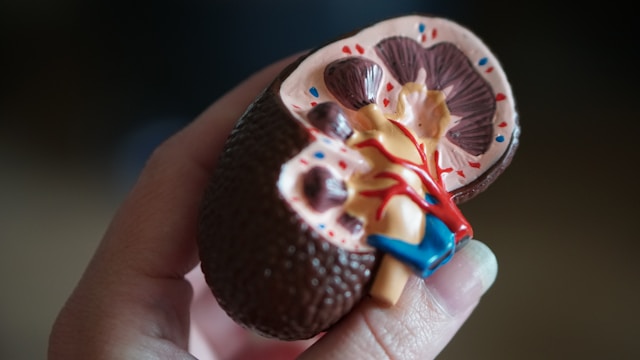
Researchers at the University of Cincinnati College of Medicine have pioneered a groundbreaking predictive model. Using key health indicators, this model forecasts a recovery in patients experiencing kidney failure due to acute kidney injury (AKI). AKI, a significant contributor to end-stage kidney disease (ESKD), ranges from mild kidney function loss to complete failure. Approximately one-third of AKI patients recover kidney function.

Published in the Clinical Kidney Journal, the study analysed health outcomes from 22,922 patients in the U.S. Renal Data System (2005-2014) to predict kidney recovery within 90 days and 12 months after dialysis initiation for AKI-related kidney failure. Lead author Dr Silvi Shah, from UC’s Division of Nephrology, highlighted that patient factors like age, race, body mass index, and medical history (including conditions like heart failure, cancer, and functional status) were crucial in developing their logistic regression model.

Dr. Shah noted that certain factors, such as a history of heart failure, lower body mass index, amputation, and poor functional status, significantly correlated with lower chances of kidney recovery. The study found that 24% and 34% of patients recovered kidney function within 90 days and 12 months, respectively.

The scoring model, a practical tool, aims to assist clinical staff in dialysis units. It quickly assesses patient recovery prospects based on readily available medical history data. According to Dr Charuhas Thakar, a senior author and former division chief of nephrology at the University of Cincinnati, the model categorises patients into high, medium, or low recovery likelihood categories. This categorisation guides personalised treatment plans and resource allocation, empowering healthcare providers with a more targeted approach.

Dr. Thakar emphasised the model’s potential to significantly improve care for AKI patients. It ensures those likely to recover receive focused monitoring while enabling long-term planning, including transplantation, for those less likely to regain kidney function. This potential for improved patient outcomes is a beacon of hope in the field of nephrology.

Dr. Shah underscored the model’s role in risk prediction and patient counselling, noting that individuals with higher scores had a 57% chance of kidney recovery within 90 days. The study, leveraging the extensive U.S. Renal Data System dataset, provided inclusive insights across demographics, enhancing its applicability and individualised patient care strategies.

The research enhances clinical decision-making in dialysis settings, offering healthcare providers and patients valuable insights into recovery expectations and tailored treatment approaches based on predictive risk scores.

More information: Silvi Shah et al, A clinical score to predict recovery in end-stage kidney disease due to acute kidney injury, Clinical Kidney Journal. DOI: 10.1093/ckj/sfae085

Journal information: Clinical Kidney Journal Provided by University of Cincinnati

Treatment Responsiveness and Prolonged Survival in Older Adults with Aggressive Blood Cancer

A study published in Blood Neoplasia indicates that standard treatment for acute myeloid leukemia (AML) in adults over 80 is safe and effective, offering potential for extended survival. Approximately 25% of patients experienced prolonged survival, a significant finding given the aggressive nature of AML. The treatment protocol, known as VEN-HMA (venetoclax combined with a hypomethylating agent), is standard for older adults with AML who cannot undergo intensive chemotherapy due to its immunosuppressive effects and associated risks. This demographic, often at advanced ages, may otherwise be directed towards palliative care.

Dr. Justin Watts, a hematologist at the University of Miami Sylvester Comprehensive Cancer Center, underscores the study’s implications. He highlights that despite challenges, many elderly AML patients benefit from VEN-HMA, challenging assumptions about treatment eligibility based on age alone. The research, spanning data from 154 patients aged 80 to 92 across US and Italian medical institutions, focused on survival rates and treatment responses among octogenarians and nonagenarians receiving VEN-HMA.

Initial findings revealed that 67% of patients started treatment with the standard VEN-HMA regimen, while subsequent adjustments were common, underscoring the need for personalised dosing. Despite concerns about myelosuppression, where bone marrow activity declines, impacting blood cell production and immune function, the study highlighted varied responses and survival outcomes. For those responding to treatment, median survival extended beyond eight months, with some achieving over a year.

Treatment responses varied based on genetic markers, with mutations in TP53 associated with poorer outcomes and those in NPM1 showing favourable survival trends. The study also emphasised the importance of adjusting VEN-HMA dosages to minimise adverse effects while maintaining therapeutic benefits, which is crucial in older patients susceptible to treatment-related complications.

Challenges remain, including the study’s retrospective nature and the need for more extended follow-up periods to validate findings comprehensively. Researchers aim to refine treatment protocols, exploring optimal dosing and scheduling to improve outcomes and quality of life for elderly AML patients. Future investigations will delve into factors like minimal residual disease and molecular subtypes to effectively tailor treatment strategies.

This study underscores evolving paradigms in AML management, advocating for nuanced approaches that consider age-related vulnerabilities and treatment efficacy. It encourages healthcare providers to explore comprehensive treatment options for elderly patients, refraining from restrictive assumptions that might limit therapeutic opportunities.

More information: Ellen Madarang et al, Venetoclax and hypomethylating agents in octogenarians and nonagenarians with acute myeloid leukemia, Blood Neoplasia. DOI: 10.1016/j.bneo.2024.100016

Journal information: Blood Neoplasia Provided by American Society of Hematology