Monday, 18 May 2026
  • My Feed
  • My Saves
  • History
  • Blog
Living Well Study
  • Blog
  • Ageing Well
  • Brain Health
  • Healthy Diets
  • Physical Wellness
  • Wellness
  • 🔥
  • Wellness
  • older adults
  • Living Well
  • Brain Health
  • dementia
  • public health
  • Ageing Well
  • alzheimer disease
  • physical exercise
  • mental health
Font ResizerAa
Living Well StudyLiving Well Study
  • My Saves
  • My Feed
  • History
Search
  • Pages
    • Home
    • Search Page
  • Personalized
    • Blog
    • My Feed
    • My Saves
    • History
  • Categories
    • Ageing Well
    • Brain Health
    • Healthy Diets
    • Mental Wellness
    • Physical Wellness
    • Wellness
Have an existing account? Sign In
Follow US
© 2022 Foxiz News Network. Ruby Design Company. All Rights Reserved.
Living Well Study > Blog > Healthy Diets > Freshwater Algae: The Potential Superfood to Nourish the Globe
Healthy Diets

Freshwater Algae: The Potential Superfood to Nourish the Globe

support
Share
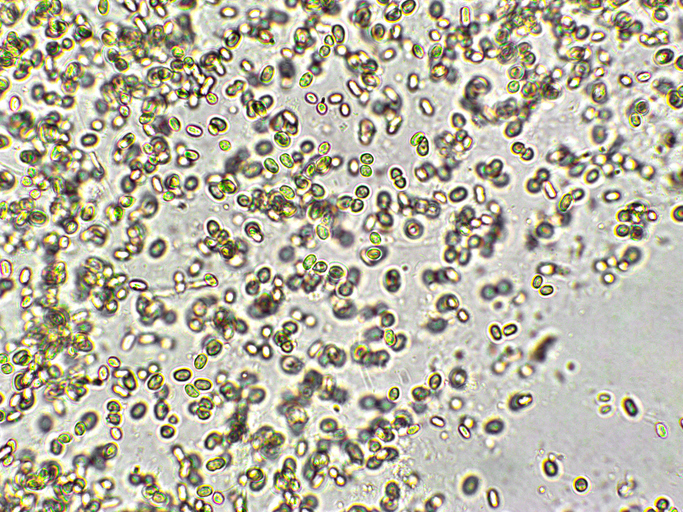
Chlorella vulgaris is a green microalgae mainly used as a medical treatment in Japan. Image by Elif Bayraktar via iStock.
SHARE

Chlorella Vulgaris, a green algae found in freshwater environments such as lakes and rivers, is increasingly recognized as a potential ‘superfood’ that could address global food security challenges while promoting environmental sustainability. This revelation comes from a new study published by researchers at the University of Birmingham in the Journal of Food Science. Rich in proteins, lipids, carbohydrates, vitamins, and minerals, Chlorella offers a sustainable alternative to traditional agricultural methods, which typically require significant land and water resources. Its ability to be cultivated with a minimal environmental footprint makes it an attractive option for eco-friendly food production.

The nutritional benefits of Chlorella are extensive, with the microalga known for its antioxidant properties, immune support, and detoxifying effects. It is currently used as a food supplement in powder and tablet forms but has the potential to significantly enhance the nutritional value of food products. Despite its promising attributes, the study highlights several challenges that need to be overcome, such as scaling up production and increasing consumer acceptance, to realize its full potential.

Dr Helen Onyeaka, a study co-author, emphasized the growing consumer interest in health-conscious and environmentally sustainable products. She believes that Chlorella Vulgaris could play a significant role in redefining food innovation for the future. The research underscores the importance of applied research in addressing these global challenges and highlights the critical role that Chlorella can play in sustainable food sourcing.

The study also outlines the necessity for advancements in cultivation techniques, processing methods, and sensory improvements to make Chlorella more appealing to consumers. Future research directions include improving Chlorella strains, developing more efficient cultivation systems, and resolving issues currently limiting its use. By addressing these challenges and optimizing production methods, Chlorella’s integration into the food industry can be significantly enhanced.

Proposed industrialization efforts for Chlorella production involve developing new culture systems designed to increase yield and reduce costs. These would include various bioreactors, adjustments in light and nutrients, and maintaining sterile environments. Additionally, techniques such as mechanical milling, enzyme treatment, and ultrasonication could increase the bioavailability of nutrients, while pulsed electric fields might enhance digestibility cost-effectively. Sensory evaluations and consumer testing are also necessary to overcome any negative perceptions related to taste.

Beyond its rich nutrient profile, Chlorella offers significant environmental benefits, including capturing carbon dioxide and cleaning wastewater, aligning it with global sustainability goals. Its health benefits extend beyond essential nutrition, offering anti-tumour properties, potential preventive effects against Alzheimer’s disease, and positive impacts on major depressive disorder. As research and development continue, Chlorella stands poised to become a key player in the future of sustainable and nutritious food sources.

More information: Chiao-An Wang et al, Chlorella vulgaris as a food substitute: Applications and benefits in the food industry, Journal of Food Science. DOI: 10.1111/1750-3841.17529

Journal information: Journal of Food Science Provided by University of Birmingham

TAGGED:Chlorella vulgarismicroalgaeplant productssustainable development
Share This Article
Email Copy Link Print
Previous Article Strong Association Detected Between Heme Iron in Red Meat and Increased Risk of Type 2 Diabetes
Next Article How Mature Women are Finding Freedom on the Open Road
Leave a Comment

Leave a Reply Cancel reply

Your email address will not be published. Required fields are marked *

Recent Posts

  • More Than an Energy Drink: National Study Shows Kratom Use Is Increasing
  • Spending Time Outdoors Linked to Higher Life Satisfaction
  • Exercise Could Play a Key Role in Helping People Stop Smoking
  • The Tiny Cellular Framework Behind Brain Development
  • ‘Forever Chemicals’ Found in Nearly Entire US Study Population, Researchers Report

Tags

adolescents adverse effects ageing populations aging populations air pollution alzheimer disease amyloids anxiety artificial intelligence atopic dermatitis behavioral psychology biomarkers blood pressure body mass index brain cancer cancer research cardiology cardiovascular disease cardiovascular disorders caregivers children climate change effects clinical research coffee cognition cognitive development cognitive disorders cognitive function cognitive neuroscience cohort studies COVID-19 dementia depression diabetes diets discovery research disease control disease intervention disease prevention diseases and disorders environmental health epidemiology foods food science gender studies geriatrics gerontology gut microbiota health and medicine health care health care costs health care delivery heart disease heart failure home care human brain human health hypertension inflammation insomnia life expectancy life sciences longitudinal studies memory disorders menopause mental health metabolic disorders metabolism mortality rates neurodegenerative diseases neurological disorders neurology neuroscience nursing homes nutrients nutrition obesity older adults parkinsons disease physical exercise population studies preventive medicine psychiatric disorders psychological science psychological stress public health research impact risk assessment risk factors risk reduction skin sleep sleep apnea sleep disorders social interaction social research socioeconomics type 2 diabetes weight loss
May 2026
S M T W T F S
 12
3456789
10111213141516
17181920212223
24252627282930
31  
« Apr    

This website is for information purpose only and is in no way intended to replace the advice, professional medical care, diagnosis or treatment of a doctor, therapist, dietician or nutritionist.

About | Contact | Cookie Policy | Digital Millennium Copyright Act Notice | Disclaimer | Privacy Policy | Terms of Service

You Might Also Like

Healthy Diets

NUS researchers reveal a connection between unhealthy diets and increased cancer risk

By support
Healthy Diets

Does the Mediterranean diet genuinely reduce your risk of dementia?

By support
Healthy Diets

Recent research indicates that managing blood sugar is crucial in decelerating brain ageing, underscoring the advantages of the Mediterranean diet

By support
Healthy Diets

Most UK Adults Falling Short on Plant-Based Diets, Study Reveals

By support
Living Well Study
Categories
  • Ageing Well
  • Brain Health
  • Healthy Diets
  • Mental Wellness
  • Physical Wellness
  • Wellness
LivingWellStudy
  • About
  • Contact
  • Cookie Policy
  • Digital Millennium Copyright Act Notice
  • Disclaimer
  • Privacy Policy
  • Terms of Service
Welcome Back!

Sign in to your account

Username or Email Address
Password

Lost your password?