Monday, 18 May 2026
  • My Feed
  • My Saves
  • History
  • Blog
Living Well Study
  • Blog
  • Ageing Well
  • Brain Health
  • Healthy Diets
  • Physical Wellness
  • Wellness
  • 🔥
  • Wellness
  • older adults
  • Living Well
  • Brain Health
  • dementia
  • public health
  • Ageing Well
  • alzheimer disease
  • physical exercise
  • mental health
Font ResizerAa
Living Well StudyLiving Well Study
  • My Saves
  • My Feed
  • History
Search
  • Pages
    • Home
    • Search Page
  • Personalized
    • Blog
    • My Feed
    • My Saves
    • History
  • Categories
    • Ageing Well
    • Brain Health
    • Healthy Diets
    • Mental Wellness
    • Physical Wellness
    • Wellness
Have an existing account? Sign In
Follow US
© 2022 Foxiz News Network. Ruby Design Company. All Rights Reserved.
Living Well Study > Blog > Health and Medicine > Exercise Could Play a Key Role in Helping People Stop Smoking
Health and Medicine

Exercise Could Play a Key Role in Helping People Stop Smoking

support
Share
older adult, jogging, morning
SHARE

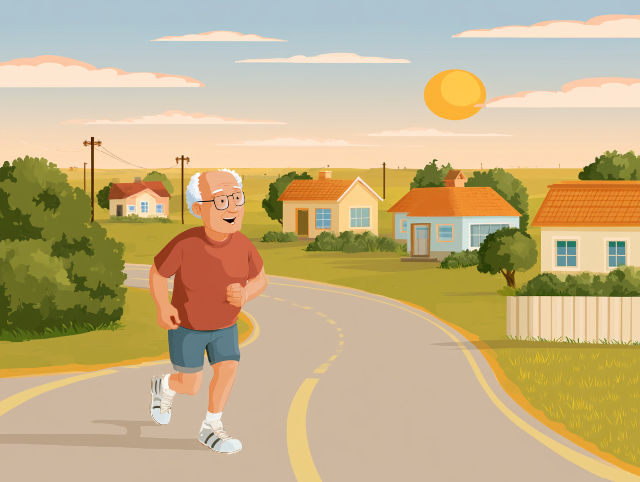
Exercise could provide smokers with a simple and accessible extra tool to help them quit, according to a new systematic review led by researchers from the Alliance for Research in Exercise, Nutrition and Activity at the University of Adelaide. The review found that structured exercise programs modestly improved smoking cessation success rates, while even a single exercise session could rapidly reduce nicotine cravings. The findings suggest physical activity may offer both immediate and longer-term benefits for people trying to stop smoking.

Smoking remains one of the leading preventable causes of death worldwide, yet many people struggle to quit successfully. Although counselling, nicotine replacement therapies, and medications can improve quit rates, long-term abstinence remains difficult, and relapse is common. Researchers argue that exercise may help address an important gap because it is low-cost, widely available, and associated with a range of physical and mental health benefits. The study was published online on April 7, 2026, in the Journal of Sport and Health Science.

The review is among the most comprehensive analyses of exercise and smoking cessation conducted to date. Researchers searched 11 scientific databases through March 2025 and included 59 randomized controlled trials involving 9,083 participants. Of these, 43 studies examined longer-term exercise training programs, while 16 focused on the immediate effects of a single exercise session. The review also included a wider variety of exercise approaches than previous analyses, including aerobic exercise, resistance training, yoga, high-intensity interval training, and lifestyle-based physical activity interventions.

The findings showed that exercise training improved smoking abstinence outcomes. Across 23 trials involving 6,643 participants, individuals in exercise programs were 15% more likely to achieve continuous abstinence compared with those in control groups. Across another 18 trials involving 4,455 participants, exercise increased seven-day point prevalence abstinence by 21%. In addition, analysis of eight studies found that participants in exercise programs smoked an average of 2.12 fewer cigarettes per day than controls.

The most immediate benefits were observed for nicotine cravings. Studies examining single exercise sessions found moderate-to-large reductions in cravings immediately after exercise, with benefits still evident 10, 20, and 30 minutes later. Higher-intensity exercise appeared especially effective, producing the greatest reductions in craving levels. Researchers noted that these rapid effects may be particularly useful during moments of intense urge, when the risk of relapse is highest.

The review also suggested that exercise type and intensity may influence outcomes. Aerobic exercise showed the clearest benefits for long-term smoking abstinence, while higher-intensity exercise produced the strongest short-term craving reductions. At the same time, the researchers highlighted several limitations. Exercise training did not significantly reduce long-term cravings, and the overall certainty of evidence for abstinence outcomes was rated as low because of issues such as study heterogeneity, imprecision, risk of bias, and possible publication bias. However, the evidence supporting reductions in cigarette consumption and short-term cravings was rated as moderate certainty.

Another important gap identified by the review was the complete absence of vaping-specific studies. None of the included trials examined vaping cessation outcomes, despite the growing prevalence of vaping and dual use of cigarettes and e-cigarettes. The researchers say future studies should urgently investigate how exercise may support vaping cessation, as well as determine the most effective exercise types, intensities, and delivery methods. Overall, the findings suggest exercise could become a valuable addition to smoking cessation services because it can be self-directed, community-based, digitally supported, or integrated into existing health programs. While the effects on long-term abstinence were modest, the consistent reductions in cigarette use and nicotine cravings indicate that exercise may help more smokers manage cravings, reduce tobacco-related harm, and improve their chances of quitting successfully.

More information: Ben Singh et al, Exercise-based interventions for smoking cessation: A systematic review and meta-analysis, Journal of Sport and Health Science. DOI: 10.1016/j.jshs.2026.101138

TAGGED:physical exercisetobacco
Share This Article
Email Copy Link Print
Previous Article The Tiny Cellular Framework Behind Brain Development
Next Article Spending Time Outdoors Linked to Higher Life Satisfaction
Leave a Comment

Leave a Reply Cancel reply

Your email address will not be published. Required fields are marked *

Recent Posts

  • Spending Time Outdoors Linked to Higher Life Satisfaction
  • Exercise Could Play a Key Role in Helping People Stop Smoking
  • The Tiny Cellular Framework Behind Brain Development
  • ‘Forever Chemicals’ Found in Nearly Entire US Study Population, Researchers Report
  • Healthy Hearts May Still Face the Risk of Alzheimer’s Disease

Tags

adolescents adverse effects ageing populations aging populations air pollution alzheimer disease amyloids anxiety artificial intelligence atopic dermatitis behavioral psychology biomarkers blood pressure body mass index brain cancer cancer research cardiology cardiovascular disease cardiovascular disorders caregivers children climate change effects clinical research coffee cognition cognitive development cognitive disorders cognitive function cognitive neuroscience cohort studies COVID-19 dementia depression diabetes diets discovery research disease control disease intervention disease prevention diseases and disorders environmental health epidemiology foods food science gender studies geriatrics gerontology gut microbiota health and medicine health care health care costs health care delivery heart disease heart failure home care human brain human health hypertension inflammation insomnia life expectancy life sciences longitudinal studies memory disorders menopause mental health metabolic disorders metabolism mortality rates neurodegenerative diseases neurological disorders neurology neuroscience nursing homes nutrients nutrition obesity older adults parkinsons disease physical exercise population studies preventive medicine psychiatric disorders psychological science psychological stress public health research impact risk assessment risk factors risk reduction skin sleep sleep apnea sleep disorders social interaction social research socioeconomics type 2 diabetes weight loss
May 2026
S M T W T F S
 12
3456789
10111213141516
17181920212223
24252627282930
31  
« Apr    

This website is for information purpose only and is in no way intended to replace the advice, professional medical care, diagnosis or treatment of a doctor, therapist, dietician or nutritionist.

About | Contact | Cookie Policy | Digital Millennium Copyright Act Notice | Disclaimer | Privacy Policy | Terms of Service

You Might Also Like

Health and Medicine

Links Between Reproductive History and Biological Ageing

By support
Physical Wellness

Muscle Damage After Exercise: Comparable or Reduced in Older Adults Versus Young Adults

By support
Physical Wellness

Cardiovascular fitness reduces mortality and the incidence of diseases by nearly 20%

By support
Health and Medicine

Large-scale analysis of Alzheimer’s disease in African American brain samples identifies multiple previously unrecognised genetic contributors

By support
Living Well Study
Categories
  • Ageing Well
  • Brain Health
  • Healthy Diets
  • Mental Wellness
  • Physical Wellness
  • Wellness
LivingWellStudy
  • About
  • Contact
  • Cookie Policy
  • Digital Millennium Copyright Act Notice
  • Disclaimer
  • Privacy Policy
  • Terms of Service
Welcome Back!

Sign in to your account

Username or Email Address
Password

Lost your password?