Monday, 18 May 2026
  • My Feed
  • My Saves
  • History
  • Blog
Living Well Study
  • Blog
  • Ageing Well
  • Brain Health
  • Healthy Diets
  • Physical Wellness
  • Wellness
  • 🔥
  • Wellness
  • older adults
  • Living Well
  • Brain Health
  • dementia
  • public health
  • Ageing Well
  • alzheimer disease
  • physical exercise
  • mental health
Font ResizerAa
Living Well StudyLiving Well Study
  • My Saves
  • My Feed
  • History
Search
  • Pages
    • Home
    • Search Page
  • Personalized
    • Blog
    • My Feed
    • My Saves
    • History
  • Categories
    • Ageing Well
    • Brain Health
    • Healthy Diets
    • Mental Wellness
    • Physical Wellness
    • Wellness
Have an existing account? Sign In
Follow US
© 2022 Foxiz News Network. Ruby Design Company. All Rights Reserved.
Living Well Study > Blog > Wellness > The functional capacity of individuals in their advanced years can be likened to an ecosystem that is prone to collapse upon facing disturbances
Wellness

The functional capacity of individuals in their advanced years can be likened to an ecosystem that is prone to collapse upon facing disturbances

support
Share
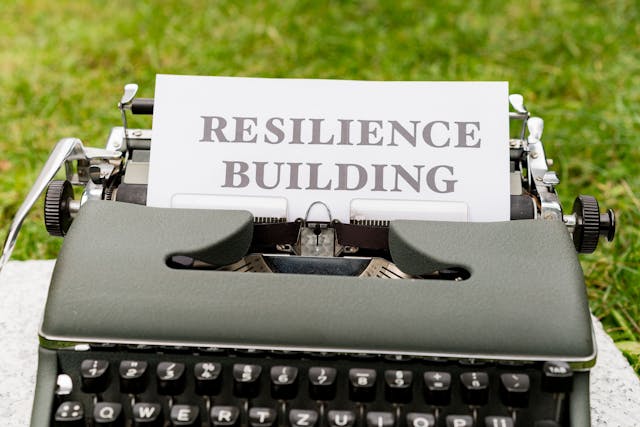
A typewriter with a paper that says resilience building. Photo by Markus Winkler: https://www.pexels.com/photo/a-typewriter-with-a-paper-that-says-resilience-building-18500689/
SHARE

As individuals age, the interconnections between various facets of their functional capacity tend to strengthen, potentially signalling a diminished resilience of the system. Research conducted by the Faculty of Sport and Health Sciences at the University of Jyväskylä in Finland highlighted this phenomenon. The study posited that an increased interdependency among functional capacity domains could precipitate a cascade of impairments following a single disruption, emphasising the necessity of a holistic approach to maintaining physical and mental health.

Envisioning human functional capacity as an ecosystem composed of mobility, sensory perception, cognitive abilities, and mental health, the study underscores the system’s resilience in weathering and rebounding from adversities as one age.

Employing network analysis on a population scale, the investigation revealed that older individuals and those in poorer health exhibited tighter linkages between functional capacity domains, mirroring the resilience observed in other systems, such as ecological or economic frameworks.

Kaisa Koivunen, a postdoctoral researcher, drew parallels between the vulnerabilities of highly interconnected economies and the human functional system. While interconnectivity between body and mind is crucial, an overly dependent system could trigger a domino effect, where a fault in one domain precipitates a systemic collapse, a scenario that should raise concerns among healthcare professionals and policymakers.

A resilient functional capacity ecosystem maintains, for instance, a surplus of muscle strength to prevent a chain reaction of decline—where a temporary loss, such as during a period of bed rest, does not spiral into broader incapacitation or mental health issues. This system’s diversity enables behavioural adaptations, ensuring vital activities remain achievable.

Professor Taina Rantanen, the Principal Investigator of the AGNES study, highlighted the human capacity for adaptation through the utilisation of reserve capacities to offset deficiencies. She illustrated how individuals with reduced mobility might still navigate their environments with alternative strategies, like driving, provided other functional capacities remain intact. However, as these compensatory mechanisms wane, so does overall resilience.

The study paves the way for applying cross-disciplinary resilience frameworks to health and functional capacity domains. It introduces the concept of critical transitions—sudden declines in health and functionality triggered by disturbances surpassing the body’s coping threshold. While such transitions have been extensively studied in ecological systems, their application to human health and functionality is less explored.

Koivunen suggests that future research could potentially identify impending critical transitions between functional capability and impairment by analysing the density of the body’s system network. This promising avenue of research could significantly advance our understanding of aging and functional capacity, instilling hope for a continued high quality of life in aging populations.

More information: Kaisa Koivunen et al, Investigating resilience through intrinsic capacity networks in older adults, The Journals of Gerontology Series A. DOI: 10.1093/gerona/glae048

Journal information: The Journals of Gerontology Series A Provided by University of Jyväskylä

TAGGED:adaptationaging populationsgerontologyhuman healthmental healthphysical exercisepublic healthresilience
Share This Article
Email Copy Link Print
Previous Article Selenium diminishes the adverse health impacts of mixtures of environmental pollutants
Next Article The Green Mediterranean diet achieves a reduction in visceral fat that is double what the Mediterranean diet accomplishes and 10% greater than that achieved by a standard healthy diet
Leave a Comment

Leave a Reply Cancel reply

Your email address will not be published. Required fields are marked *

Recent Posts

  • Spending Time Outdoors Linked to Higher Life Satisfaction
  • Exercise Could Play a Key Role in Helping People Stop Smoking
  • The Tiny Cellular Framework Behind Brain Development
  • ‘Forever Chemicals’ Found in Nearly Entire US Study Population, Researchers Report
  • Healthy Hearts May Still Face the Risk of Alzheimer’s Disease

Tags

adolescents adverse effects ageing populations aging populations air pollution alzheimer disease amyloids anxiety artificial intelligence atopic dermatitis behavioral psychology biomarkers blood pressure body mass index brain cancer cancer research cardiology cardiovascular disease cardiovascular disorders caregivers children climate change effects clinical research coffee cognition cognitive development cognitive disorders cognitive function cognitive neuroscience cohort studies COVID-19 dementia depression diabetes diets discovery research disease control disease intervention disease prevention diseases and disorders environmental health epidemiology foods food science gender studies geriatrics gerontology gut microbiota health and medicine health care health care costs health care delivery heart disease heart failure home care human brain human health hypertension inflammation insomnia life expectancy life sciences longitudinal studies memory disorders menopause mental health metabolic disorders metabolism mortality rates neurodegenerative diseases neurological disorders neurology neuroscience nursing homes nutrients nutrition obesity older adults parkinsons disease physical exercise population studies preventive medicine psychiatric disorders psychological science psychological stress public health research impact risk assessment risk factors risk reduction skin sleep sleep apnea sleep disorders social interaction social research socioeconomics type 2 diabetes weight loss
May 2026
S M T W T F S
 12
3456789
10111213141516
17181920212223
24252627282930
31  
« Apr    

This website is for information purpose only and is in no way intended to replace the advice, professional medical care, diagnosis or treatment of a doctor, therapist, dietician or nutritionist.

About | Contact | Cookie Policy | Digital Millennium Copyright Act Notice | Disclaimer | Privacy Policy | Terms of Service

You Might Also Like

Wellness

Inflammation Greatly Increases Depression Risk in Older Adults Suffering from Insomnia

By support
Wellness

Are Preventive Health Technologies Beneficial or Detrimental to Consumer Wellbeing?

By support
Physical Wellness

Total daily step count plays a greater role in supporting healthy ageing in older women than stepping frequency

By support
Brain Health

Mediterranean diet linked to reduced dementia risk

By support
Living Well Study
Categories
  • Ageing Well
  • Brain Health
  • Healthy Diets
  • Mental Wellness
  • Physical Wellness
  • Wellness
LivingWellStudy
  • About
  • Contact
  • Cookie Policy
  • Digital Millennium Copyright Act Notice
  • Disclaimer
  • Privacy Policy
  • Terms of Service
Welcome Back!

Sign in to your account

Username or Email Address
Password

Lost your password?