Wednesday, 21 Jan 2026
  • My Feed
  • My Saves
  • History
  • Blog
Living Well Study
  • Blog
  • Ageing Well
  • Brain Health
  • Healthy Diets
  • Physical Wellness
  • Wellness
  • 🔥
  • Wellness
  • older adults
  • Living Well
  • Brain Health
  • public health
  • dementia
  • Ageing Well
  • mental health
  • physical exercise
  • alzheimer disease
Font ResizerAa
Living Well StudyLiving Well Study
  • My Saves
  • My Feed
  • History
Search
  • Pages
    • Home
    • Search Page
  • Personalized
    • Blog
    • My Feed
    • My Saves
    • History
  • Categories
    • Ageing Well
    • Brain Health
    • Healthy Diets
    • Mental Wellness
    • Physical Wellness
    • Wellness
Have an existing account? Sign In
Follow US
© 2022 Foxiz News Network. Ruby Design Company. All Rights Reserved.
Living Well Study > Blog > Healthy Food > Unlocking the Age-Defying Benefits of Black Tea and Berries
Healthy Food

Unlocking the Age-Defying Benefits of Black Tea and Berries

support
Share
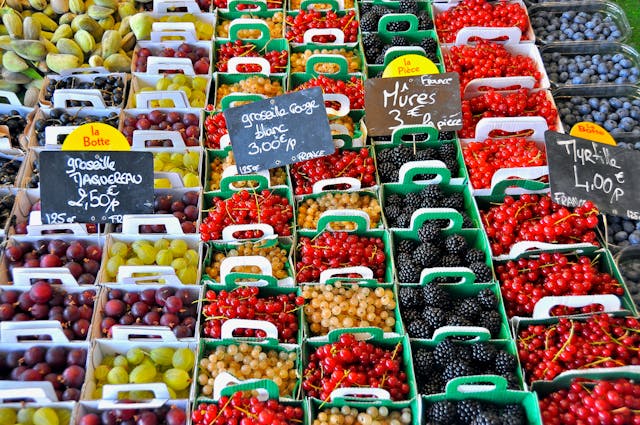
Photo by Peter de Vink: https://www.pexels.com/photo/stack-of-fruits-with-signage-849524/
SHARE

A recent study has revealed that a diet rich in black tea, berries, citrus fruits, and apples could significantly promote healthier ageing. The research, conducted collaboratively by Edith Cowan University (ECU), Queen’s University Belfast, and the Harvard T.H. Chan School of Public Health, highlights the potential benefits of flavonoid-rich foods in reducing the risk of key aspects of unhealthy ageing, such as frailty, impaired physical function, and poor mental health. Flavonoids, naturally occurring compounds in various fruits and vegetables, are known for their powerful antioxidant and anti-inflammatory properties, making them an essential dietary component for those seeking to maintain their physical and mental well-being as they age.

Dr Nicola Bondonno, an adjunct lecturer at ECU, emphasised that the ultimate goal of medical research extends beyond simply prolonging life. Instead, the focus is on ensuring individuals remain healthy and active throughout their lifespan. “We know from previous studies that people who consume more flavonoids tend to live longer and are less likely to develop major chronic diseases like dementia, diabetes, or heart disease,” she explained. “Our latest findings reinforce this, demonstrating that those with higher flavonoid intake also tend to experience healthier ageing.”

The study, which analysed health data from a substantial cohort of 62,743 women and 23,687 men over 24 years, found that women with the highest flavonoid intakes had a 15% lower risk of frailty, a 12% lower risk of impaired physical function, and a 12% lower risk of poor mental health compared to those with the lowest flavonoid consumption. While the impact appeared to be more pronounced among women, men with higher flavonoid intakes still benefited, showing a notably lower risk of poor mental health. These findings suggest that the protective effects of flavonoids against the physical and cognitive declines often associated with ageing vary across genders, possibly influenced by differences in study follow-up times rather than inherent biological disparities.

A senior author, Professor Aedin Cassidy from Queen’s University Belfast, elaborated on how flavonoids might support healthy ageing. “Flavonoids are well known for their ability to reduce oxidative stress and inflammation, support blood vessel health, and help maintain skeletal muscle mass – all of which are critical for preventing frailty and maintaining physical function as we grow older,” she noted. Cassidy also pointed out that flavonoid-rich foods, such as berries, apples, red wine, oranges, and tea, have long been associated with these health benefits, reinforcing the value of these everyday foods in a balanced diet.

The study also found that even moderate increases in flavonoid consumption could yield significant benefits. For instance, participants who boosted their intake of flavonoid-rich foods by just three servings a day experienced a 6% to 11% lower risk across all three ageing outcomes in females, and a 15% lower risk of poor mental health in males. This suggests that relatively simple dietary adjustments could have a meaningful impact on long-term health outcomes, potentially delaying or preventing the onset of age-related decline.

Professor Eric Rimm from the Harvard T.H. Chan School of Public Health highlighted the broader implications of these findings, noting that they underscore the potential for straightforward dietary modifications to enhance the quality of life as people age significantly. “Overall, our results point to the power of nutrition in optimising healthy ageing, reinforcing the idea that what we eat truly matters as we strive to live longer and healthier lives,” he said.

More information: Nicola Bondonno et al, Associations between flavonoid-rich food and flavonoid intakes and incident unhealthy aging outcomes in older United States males and females, American Journal of Clinical Nutrition. DOI: 10.1016/j.ajcnut.2025.02.010

Journal information: American Journal of Clinical Nutrition Provided by Edith Cowan University

TAGGED:dieteticsflavonoidsmetabolites
Share This Article
Email Copy Link Print
Previous Article Is Your Heart Ageing Ahead of Schedule?
Next Article Cycling as a Path to Longevity and Vitality in Older Adults, Especially for Nondrivers
Leave a Comment

Leave a Reply Cancel reply

Your email address will not be published. Required fields are marked *

Recent Posts

  • Researchers uncover links between infection and ageing through cellular senescence mechanisms
  • Study finds possible connection between brain injuries and suicide risk
  • Nearly 1.6 Million Adults in the UK Turned to Weight Loss Drugs Last Year
  • Targeting senescent brain cells may offer new ways to ease epilepsy symptoms
  • Do circadian rhythms play a role in dementia risk?

Tags

adolescents adverse effects ageing populations aging populations air pollution alzheimer disease amyloids anxiety artificial intelligence atopic dermatitis behavioral psychology biomarkers blood pressure body mass index brain cancer cancer research cardiology cardiovascular disease cardiovascular disorders caregivers children climate change effects clinical research coffee cognitive development cognitive disorders cognitive function cognitive neuroscience cohort studies COVID-19 dementia depression diabetes diets discovery research disease control disease intervention disease prevention diseases and disorders environmental health epidemiology foods food science gender studies geriatrics gerontology gut microbiota health and medicine health care health care costs health care delivery heart disease heart failure home care human brain human health hypertension inflammation insomnia life expectancy life sciences longitudinal studies memory disorders menopause mental health metabolic disorders metabolism mortality rates neurodegenerative diseases neurological disorders neurology neuroscience nursing homes nutrients nutrition obesity older adults parkinsons disease physical exercise population studies preventive medicine psychiatric disorders psychological science psychological stress public health research impact risk assessment risk factors risk reduction skin sleep sleep apnea sleep disorders social interaction social research socioeconomics stress management type 2 diabetes weight loss
January 2026
S M T W T F S
 123
45678910
11121314151617
18192021222324
25262728293031
« Dec    

This website is for information purpose only and is in no way intended to replace the advice, professional medical care, diagnosis or treatment of a doctor, therapist, dietician or nutritionist.

About | Contact | Cookie Policy | Digital Millennium Copyright Act Notice | Disclaimer | Privacy Policy | Terms of Service

You Might Also Like

Healthy Food

Beans and Chickpeas Enhance Diet Quality Among American Adults, Study Finds

By support
Healthy Food

Beetroot juice helps lower blood pressure in the elderly by altering the oral microbiome

By support
Healthy Food

Canadian Sea Buckthorn Berries: A Potential Antioxidant Superfood for Managing Diabetes and Obesity

By support
Healthy Food

Ageing may be slowed by a key chemical found in dark chocolate

By support
Living Well Study
Categories
  • Ageing Well
  • Brain Health
  • Healthy Diets
  • Mental Wellness
  • Physical Wellness
  • Wellness
LivingWellStudy
  • About
  • Contact
  • Cookie Policy
  • Digital Millennium Copyright Act Notice
  • Disclaimer
  • Privacy Policy
  • Terms of Service
Welcome Back!

Sign in to your account

Username or Email Address
Password

Lost your password?