Monday, 18 May 2026
  • My Feed
  • My Saves
  • History
  • Blog
Living Well Study
  • Blog
  • Ageing Well
  • Brain Health
  • Healthy Diets
  • Physical Wellness
  • Wellness
  • 🔥
  • Wellness
  • older adults
  • Living Well
  • Brain Health
  • dementia
  • public health
  • Ageing Well
  • alzheimer disease
  • physical exercise
  • mental health
Font ResizerAa
Living Well StudyLiving Well Study
  • My Saves
  • My Feed
  • History
Search
  • Pages
    • Home
    • Search Page
  • Personalized
    • Blog
    • My Feed
    • My Saves
    • History
  • Categories
    • Ageing Well
    • Brain Health
    • Healthy Diets
    • Mental Wellness
    • Physical Wellness
    • Wellness
Have an existing account? Sign In
Follow US
© 2022 Foxiz News Network. Ruby Design Company. All Rights Reserved.
Living Well Study > Blog > Healthy Food > Heart-Healthy Benefits of Leafy Green Vegetables
Healthy Food

Heart-Healthy Benefits of Leafy Green Vegetables

support
Share
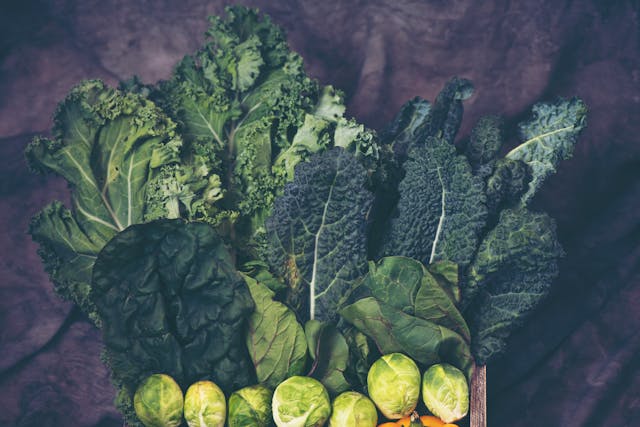
Photo by Chokniti Khongchum: https://www.pexels.com/photo/variety-of-green-vegetables-2280567/
SHARE

Incorporating just a cup and a half of leafy green vegetables into your daily meals could significantly reduce the risk of atherosclerotic vascular diseases (ASVDs), according to compelling new research from Edith Cowan University (ECU), in collaboration with the University of Western Australia and the Danish Cancer Institute.

ASVDs, a subgroup of cardiovascular diseases, are among the leading causes of death worldwide, primarily responsible for heart attacks and strokes. In Australia alone, cardiovascular diseases claim the life of one person every twelve minutes, highlighting the urgent need for preventive strategies. ECU PhD student Montana Dupuy, who led this new research, emphasises the stark toll of these conditions and the promising role that diet may play in addressing them.

The study focuses on Vitamin K1, a nutrient abundant in leafy greens and cruciferous vegetables such as spinach, kale, and broccoli. Ms Dupuy’s findings suggest that higher dietary intake of Vitamin K1 may play a vital role in reducing the risk of ASVD by preventing vascular calcification, an underlying process in the development of cardiovascular disease. “The great news is that these vegetables are easy to include in everyday meals,” she said, noting the accessibility of such dietary changes.

In addition to its potential cardiovascular benefits, Vitamin K1 may also support musculoskeletal health, particularly by contributing to bone strength and overall skeletal resilience. This adds another layer of importance to ensuring adequate intake of this essential vitamin, especially in populations at risk for both heart and bone-related illnesses.

Senior Research Fellow Dr Marc Sim of ECU explained that consuming just a cup and a half of Vitamin K1-rich vegetables daily offers a practical way to enhance one’s nutrient intake. He noted that the study found women who consumed around 30% more Vitamin K1 than currently recommended by the Australian Dietary Guidelines had a lower long-term risk of developing ASVD. “We also observed that participants with higher intakes had less thickening in the carotid arteries—blood vessels in the neck—which is a known marker of atherosclerosis,” he added.

This growing body of research on Vitamin K1’s role in vascular and bone health is now influencing further studies at ECU’s Future Foods and Digital Gastronomy Lab. There, researchers are developing innovative foods rich in leafy greens, explicitly designed for use in clinical trials. The aim is to improve health outcomes, particularly in populations with specialised nutritional needs, such as residents in aged care facilities.

Dr Liezhou Zhong, an ECU Postdoctoral Research Fellow, explained that the team is working to convert epidemiological findings into tangible, real-world applications. “We are consolidating the data and turning it into food solutions that can be readily adopted by the community,” he said. These specially formulated meals are expected to offer both nutritional and therapeutic value, providing a model for food-based interventions in preventive healthcare.

This research reinforces the notion that small, consistent dietary changes can yield substantial health benefits. By simply increasing one’s intake of dark, leafy greens, individuals can significantly reduce their risk of severe vascular conditions. As the evidence continues to mount, the humble spinach leaf and its cruciferous cousins may prove to be powerful allies in the fight against cardiovascular disease.

More information: Montana Dupuy et al, Higher vitamin K1 intakes are associated with lower subclinical atherosclerosis and lower risk for atherosclerotic vascular disease-related outcomes in older women, European Journal of Nutrition. DOI: 10.1007/s00394-025-03686-x

Journal information: European Journal of Nutrition Provided by Edith Cowan University

TAGGED:dieteticshuman health
Share This Article
Email Copy Link Print
Previous Article Major Study Reveals Elevated Urinary Metal Levels May Heighten Heart Failure Risk
Next Article Rethinking BMI as a Measure of Future Health Risk
Leave a Comment

Leave a Reply Cancel reply

Your email address will not be published. Required fields are marked *

Recent Posts

  • Spending Time Outdoors Linked to Higher Life Satisfaction
  • Exercise Could Play a Key Role in Helping People Stop Smoking
  • The Tiny Cellular Framework Behind Brain Development
  • ‘Forever Chemicals’ Found in Nearly Entire US Study Population, Researchers Report
  • Healthy Hearts May Still Face the Risk of Alzheimer’s Disease

Tags

adolescents adverse effects ageing populations aging populations air pollution alzheimer disease amyloids anxiety artificial intelligence atopic dermatitis behavioral psychology biomarkers blood pressure body mass index brain cancer cancer research cardiology cardiovascular disease cardiovascular disorders caregivers children climate change effects clinical research coffee cognition cognitive development cognitive disorders cognitive function cognitive neuroscience cohort studies COVID-19 dementia depression diabetes diets discovery research disease control disease intervention disease prevention diseases and disorders environmental health epidemiology foods food science gender studies geriatrics gerontology gut microbiota health and medicine health care health care costs health care delivery heart disease heart failure home care human brain human health hypertension inflammation insomnia life expectancy life sciences longitudinal studies memory disorders menopause mental health metabolic disorders metabolism mortality rates neurodegenerative diseases neurological disorders neurology neuroscience nursing homes nutrients nutrition obesity older adults parkinsons disease physical exercise population studies preventive medicine psychiatric disorders psychological science psychological stress public health research impact risk assessment risk factors risk reduction skin sleep sleep apnea sleep disorders social interaction social research socioeconomics type 2 diabetes weight loss
May 2026
S M T W T F S
 12
3456789
10111213141516
17181920212223
24252627282930
31  
« Apr    

This website is for information purpose only and is in no way intended to replace the advice, professional medical care, diagnosis or treatment of a doctor, therapist, dietician or nutritionist.

About | Contact | Cookie Policy | Digital Millennium Copyright Act Notice | Disclaimer | Privacy Policy | Terms of Service

You Might Also Like

Science

Biological ageing speed shown to predict cognitive deterioration in older adults

By support
Healthy Food

New Research Links Daily Mango Consumption to Improved Heart and Metabolic Health in Postmenopausal Women

By support
Health and Medicine

Low-weight resistance training enhances muscle condition and metabolism for people with type 2 diabetes

By support
Wellness

The Mediterranean diet is a simple option to boost IVF success among numerous nutritional strategies

By support
Living Well Study
Categories
  • Ageing Well
  • Brain Health
  • Healthy Diets
  • Mental Wellness
  • Physical Wellness
  • Wellness
LivingWellStudy
  • About
  • Contact
  • Cookie Policy
  • Digital Millennium Copyright Act Notice
  • Disclaimer
  • Privacy Policy
  • Terms of Service
Welcome Back!

Sign in to your account

Username or Email Address
Password

Lost your password?