Monday, 18 May 2026
  • My Feed
  • My Saves
  • History
  • Blog
Living Well Study
  • Blog
  • Ageing Well
  • Brain Health
  • Healthy Diets
  • Physical Wellness
  • Wellness
  • 🔥
  • Wellness
  • older adults
  • Living Well
  • Brain Health
  • dementia
  • public health
  • Ageing Well
  • alzheimer disease
  • physical exercise
  • mental health
Font ResizerAa
Living Well StudyLiving Well Study
  • My Saves
  • My Feed
  • History
Search
  • Pages
    • Home
    • Search Page
  • Personalized
    • Blog
    • My Feed
    • My Saves
    • History
  • Categories
    • Ageing Well
    • Brain Health
    • Healthy Diets
    • Mental Wellness
    • Physical Wellness
    • Wellness
Have an existing account? Sign In
Follow US
© 2022 Foxiz News Network. Ruby Design Company. All Rights Reserved.
Living Well Study > Blog > Wellness > Study Reveals Dangers of Muscle-Building Supplements for Adolescents and Young Adults
Wellness

Study Reveals Dangers of Muscle-Building Supplements for Adolescents and Young Adults

support
Share
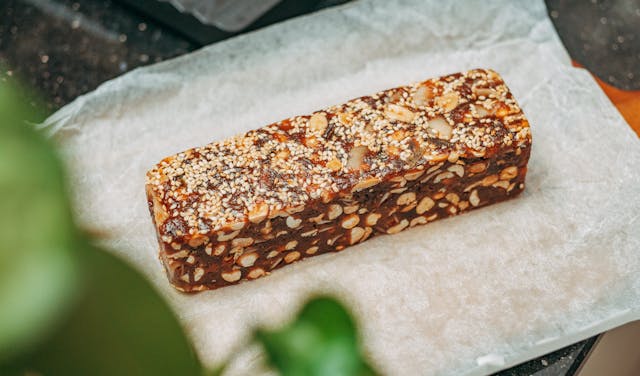
Protein Bar with Sesame Seeds and Nuts. Photo by FOX: https://www.pexels.com/photo/protein-bar-with-sesame-seeds-and-nuts-17763560/
SHARE

The University of Toronto’s recent study, a comprehensive exploration of the prevalence, influences, and associated risks of muscle-building supplements among adolescents and young adults in Canada, has just been published. This research, with significant implications for healthcare, public health, and policy professionals, sheds light on the widespread use of these supplements.

Based on data from 912 participants in the Canadian Study of Adolescent Health Behaviors, the study focused on individuals aged 16 to 30. Nearly 60% reported using protein bars; just over half used whey protein powders or shakes, the most popular supplements. Usage rates were higher among boys and men compared to girls, women, and transgender/gender expansive individuals.

Lead author Kyle T. Ganson, PhD, MSW, highlighted that boys and men in the study used an average of three muscle-building supplements in the past year, illustrating a widespread pursuit of the muscular body ideal.

Nearly half of the participants’ primary influencers were social media influencers, while fitness communities and friends also played significant roles. Over two-thirds sought information online, with gender differences in information sources; girls and women tended to consult healthcare professionals, whereas boys and men relied more on online forums like Reddit and YouTube.

Ganson emphasised the importance of healthcare and policy professionals understanding where young people obtain information on muscle-building supplements. Given weak regulations in Canada and minimal content restrictions on social media platforms, this could influence perceptions of safety and effectiveness.

Only 9.8% of participants considered their supplement use problematic, though transgender/gender expansive individuals perceived higher levels of concern compared to cisgender participants. The study also found that nearly two-thirds of users experienced symptoms such as fatigue, digestive issues, and cardiovascular problems, yet a significant majority did not seek medical help.

While the study did not confirm causation between supplement use and symptoms, it highlighted health concerns that young people should be aware of. Ganson stressed the need for healthcare providers to be informed about muscle-building supplements and to routinely discuss their use with adolescents and young adults, mainly focusing on harm reduction and risk awareness.

The findings underscored the necessity for public health initiatives to educate about the potential dangers of muscle-building supplements, especially among transgender/gender expansive and sexual minority individuals who reported higher symptom rates. To mitigate potential harms, the authors recommended stronger regulations on selling and advertising these supplements, particularly on social media platforms.”

More information: Kyle T. Ganson et al, Describing use of muscle-building supplements among adolescents and young adults in Canada, Performance Enhancement & Health. DOI: 10.1016/j.peh.2024.100284

Journal information: Performance Enhancement & Health Provided by University of Toronto

TAGGED:adolescentsgender studieshealth carehuman social behaviormental healthmusclesregulatory policysocial mediayoung people
Share This Article
Email Copy Link Print
Previous Article Discrimination: A Catalyst for Accelerated Ageing
Next Article Understanding the Link Between High-Fat Diets and Alzheimer’s Disease: Researchers Uncover Mechanism
Leave a Comment

Leave a Reply Cancel reply

Your email address will not be published. Required fields are marked *

Recent Posts

  • Spending Time Outdoors Linked to Higher Life Satisfaction
  • Exercise Could Play a Key Role in Helping People Stop Smoking
  • The Tiny Cellular Framework Behind Brain Development
  • ‘Forever Chemicals’ Found in Nearly Entire US Study Population, Researchers Report
  • Healthy Hearts May Still Face the Risk of Alzheimer’s Disease

Tags

adolescents adverse effects ageing populations aging populations air pollution alzheimer disease amyloids anxiety artificial intelligence atopic dermatitis behavioral psychology biomarkers blood pressure body mass index brain cancer cancer research cardiology cardiovascular disease cardiovascular disorders caregivers children climate change effects clinical research coffee cognition cognitive development cognitive disorders cognitive function cognitive neuroscience cohort studies COVID-19 dementia depression diabetes diets discovery research disease control disease intervention disease prevention diseases and disorders environmental health epidemiology foods food science gender studies geriatrics gerontology gut microbiota health and medicine health care health care costs health care delivery heart disease heart failure home care human brain human health hypertension inflammation insomnia life expectancy life sciences longitudinal studies memory disorders menopause mental health metabolic disorders metabolism mortality rates neurodegenerative diseases neurological disorders neurology neuroscience nursing homes nutrients nutrition obesity older adults parkinsons disease physical exercise population studies preventive medicine psychiatric disorders psychological science psychological stress public health research impact risk assessment risk factors risk reduction skin sleep sleep apnea sleep disorders social interaction social research socioeconomics type 2 diabetes weight loss
May 2026
S M T W T F S
 12
3456789
10111213141516
17181920212223
24252627282930
31  
« Apr    

This website is for information purpose only and is in no way intended to replace the advice, professional medical care, diagnosis or treatment of a doctor, therapist, dietician or nutritionist.

About | Contact | Cookie Policy | Digital Millennium Copyright Act Notice | Disclaimer | Privacy Policy | Terms of Service

You Might Also Like

Healthy Diets

The Mediterranean diet reduces the risk of cardiovascular disease and death in women by nearly 25%

By support
Mental Wellness

Survey reveals that 72% of individuals with eczema experienced symptoms of poor mental health ranging from 1 to 10 days in the previous month

By support
Wellness

Research Unveils Causes of Bias in AI Models for Medical Imaging Analysis

By support
Wellness

The Human Heart’s Concealed Capacity for Self-Repair

By support
Living Well Study
Categories
  • Ageing Well
  • Brain Health
  • Healthy Diets
  • Mental Wellness
  • Physical Wellness
  • Wellness
LivingWellStudy
  • About
  • Contact
  • Cookie Policy
  • Digital Millennium Copyright Act Notice
  • Disclaimer
  • Privacy Policy
  • Terms of Service
Welcome Back!

Sign in to your account

Username or Email Address
Password

Lost your password?