Monday, 18 May 2026
  • My Feed
  • My Saves
  • History
  • Blog
Living Well Study
  • Blog
  • Ageing Well
  • Brain Health
  • Healthy Diets
  • Physical Wellness
  • Wellness
  • 🔥
  • Wellness
  • older adults
  • Living Well
  • Brain Health
  • dementia
  • public health
  • Ageing Well
  • alzheimer disease
  • physical exercise
  • mental health
Font ResizerAa
Living Well StudyLiving Well Study
  • My Saves
  • My Feed
  • History
Search
  • Pages
    • Home
    • Search Page
  • Personalized
    • Blog
    • My Feed
    • My Saves
    • History
  • Categories
    • Ageing Well
    • Brain Health
    • Healthy Diets
    • Mental Wellness
    • Physical Wellness
    • Wellness
Have an existing account? Sign In
Follow US
© 2022 Foxiz News Network. Ruby Design Company. All Rights Reserved.
Living Well Study > Blog > Wellness > Safeguard Your Teeth Using Fruits: Antimicrobial Properties Discovered in Biomass Compounds
Wellness

Safeguard Your Teeth Using Fruits: Antimicrobial Properties Discovered in Biomass Compounds

support
Share
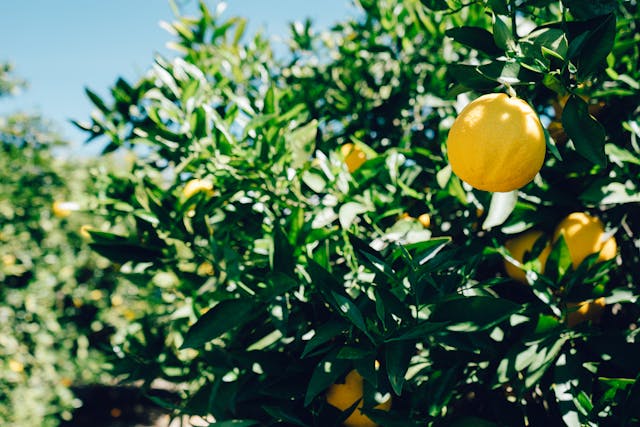
Lemons on tree. Photo by Jaymantri: https://www.pexels.com/photo/lemons-on-tree-6478/
SHARE

Periodontal disease, commonly known as gum disease, is an inflammatory ailment precipitated by infections from periodontal pathogenic bacteria. This condition affects oral health by damaging the gum tissue and bone supporting the teeth. It has broader implications for overall health, potentially contributing to cardiovascular and respiratory diseases. Effective oral hygiene is paramount in preventing periodontal disease; however, a significant challenge arises with most oral hygiene products available. These products, predominantly disinfectants, tend to be highly irritating due to their intense chemical compositions, rendering them unsuitable for specific populations. Specifically, young children and the elderly, who are at increased risk of developing periodontal disease, often find these products too harsh, necessitating the development of milder yet effective alternatives.

Addressing this gap, Professor Shigeki Kamitani from the Graduate School of Human Life and Ecology at Osaka Metropolitan University led a pioneering research team to explore more suitable antibacterial options that people of all ages could safely use. Their research focused on identifying and verifying the antibacterial effects of various compounds that could inhibit the growth of Porphyromonas gingivalis, a key bacterium implicated in the onset and progression of periodontal disease.

Prunin laurate (Pru-C12) and its analogues stood out among the seven different compounds tested. These compounds, derived from biomass such as citrus plants and coconut components, were evaluated for their efficacy in stifling the growth of harmful bacteria. The results were promising, indicating that Pru-C12 not only effectively inhibited bacterial growth but also showcased the highest antimicrobial effect among the compounds tested.

Pru-C12’s properties are particularly noteworthy; it is tasteless and hypoallergenic, making it an ideal candidate for daily oral hygiene routines without the risk of sensory irritation or allergic reactions. Professor Kamitani emphasized the potential of Pru-C12, stating, “Pru-C12 is not only effective but also user-friendly, posing minimal risk of irritation. Its hypoallergenic nature makes it a suitable option for even the most sensitive users.” He also reassured that the affordability of Pru-C12 could make it an accessible option for widespread use should further testing confirm its safety and efficacy in humans.

Looking ahead, the research team is poised to conduct extensive clinical trials to establish the safety profile of Pru-C12 in human subjects. If these trials yield positive results, Pru-C12 could indeed revolutionize preventive oral care. By providing a non-irritating, effective antibacterial treatment that is accessible and affordable, Pru-C12 offers a beacon of hope for public health, potentially reducing the prevalence of periodontal disease across diverse populations.

More information: Erika Wada et al, Prunin Laurate Derived from Natural Substances Shows Antibacterial Activity against the Periodontal Pathogen Porphyromonas gingivalis, Foods. DOI: 10.3390/foods13121917

Journal information: Foods Provided by Osaka Metropolitan University

TAGGED:bacteriologybiotechnologyfood sciencehealth and medicineinfectious diseasesmicrobiologyplant sciences
Share This Article
Email Copy Link Print
Previous Article Therapeutic Interventions Between Children and Parents Offer Biological Healing for Traumatized Youth
Next Article Depression Relief Through Walking, Jogging, Yoga, and Strength Training
Leave a Comment

Leave a Reply Cancel reply

Your email address will not be published. Required fields are marked *

Recent Posts

  • Spending Time Outdoors Linked to Higher Life Satisfaction
  • Exercise Could Play a Key Role in Helping People Stop Smoking
  • The Tiny Cellular Framework Behind Brain Development
  • ‘Forever Chemicals’ Found in Nearly Entire US Study Population, Researchers Report
  • Healthy Hearts May Still Face the Risk of Alzheimer’s Disease

Tags

adolescents adverse effects ageing populations aging populations air pollution alzheimer disease amyloids anxiety artificial intelligence atopic dermatitis behavioral psychology biomarkers blood pressure body mass index brain cancer cancer research cardiology cardiovascular disease cardiovascular disorders caregivers children climate change effects clinical research coffee cognition cognitive development cognitive disorders cognitive function cognitive neuroscience cohort studies COVID-19 dementia depression diabetes diets discovery research disease control disease intervention disease prevention diseases and disorders environmental health epidemiology foods food science gender studies geriatrics gerontology gut microbiota health and medicine health care health care costs health care delivery heart disease heart failure home care human brain human health hypertension inflammation insomnia life expectancy life sciences longitudinal studies memory disorders menopause mental health metabolic disorders metabolism mortality rates neurodegenerative diseases neurological disorders neurology neuroscience nursing homes nutrients nutrition obesity older adults parkinsons disease physical exercise population studies preventive medicine psychiatric disorders psychological science psychological stress public health research impact risk assessment risk factors risk reduction skin sleep sleep apnea sleep disorders social interaction social research socioeconomics type 2 diabetes weight loss
May 2026
S M T W T F S
 12
3456789
10111213141516
17181920212223
24252627282930
31  
« Apr    

This website is for information purpose only and is in no way intended to replace the advice, professional medical care, diagnosis or treatment of a doctor, therapist, dietician or nutritionist.

About | Contact | Cookie Policy | Digital Millennium Copyright Act Notice | Disclaimer | Privacy Policy | Terms of Service

You Might Also Like

Wellness

Environmental Toxins Associated with Accelerated Ageing and Health Hazards in American Adults

By support
Wellness

Nearly Two-Thirds of UK Adolescents’ Caloric Intake Comes from Ultra-Processed Foods

By support
Wellness

Exploring B Vitamin Therapy for Managing the Gut-Brain Axis in Parkinson’s Disease

By support
Wellness

New Research Indicates Viewing Natural Landscapes May Alleviate Pain

By support
Living Well Study
Categories
  • Ageing Well
  • Brain Health
  • Healthy Diets
  • Mental Wellness
  • Physical Wellness
  • Wellness
LivingWellStudy
  • About
  • Contact
  • Cookie Policy
  • Digital Millennium Copyright Act Notice
  • Disclaimer
  • Privacy Policy
  • Terms of Service
Welcome Back!

Sign in to your account

Username or Email Address
Password

Lost your password?